


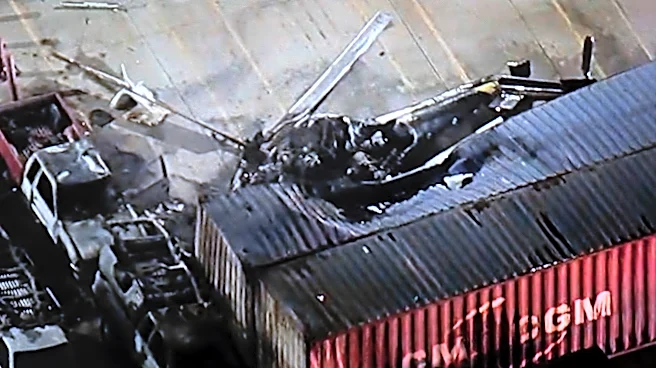
On January 17, 1979, the Transbay Tube, a vital artery for the Bay Area Rapid Transit (BART) system, became the scene of a tragic electrical fire. This incident, which occurred on a San Francisco-bound train, not only resulted in a fatality and a challenging rescue operation but also exposed critical deficiencies in emergency response and coordination. The lessons painfully learned from this event proved to be a pivotal moment, directly influencing
the development of national safety guidelines for fixed guideway transit and passenger rail systems, fundamentally reshaping how such incidents are managed in the future.
The Incident Unfolds
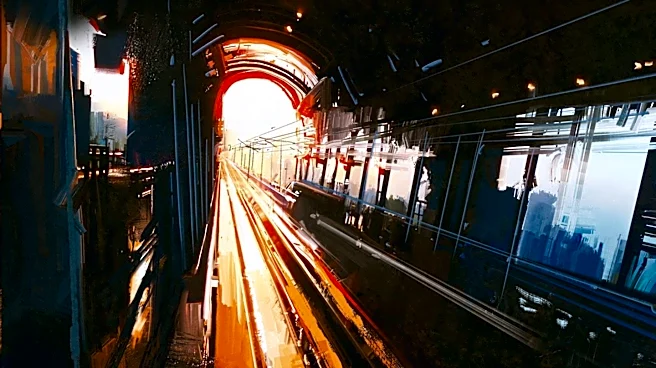
The fire erupted at approximately 6 p.m. on a seven-car train, designated No. 117, as it traversed the Transbay Tube. The immediate cause was traced to a damaged third rail collector shoe, which led to electrical arcing. This arcing ignited components on the car, causing air tanks and suspension airbags on the fifth and sixth cars to explode. The train came to an emergency stop about 1.5 miles into the tube at 6:06 p.m., with the operator reporting thick smoke emanating from his train.
Forty passengers and two BART employees were aboard the stricken train. The situation quickly escalated due to the confined environment of the tube and the nature of the fire, which generated smoke and toxic fumes from burning plastic materials. The severity of the incident underscored the unique challenges of responding to emergencies within an underwater tunnel, where ventilation and access are inherently limited.
Preceding Events and Root Cause
Earlier on the same day, another train, No. 363, a ten-car unit, had made an emergency stop in the Transbay Tube around 4:30 p.m. while heading towards San Francisco, reporting smoke and a possible fire. Troubleshooting revealed broken derail bars on two cars and an engaged parking brake on another. After these issues were addressed, No. 363 was cleared to proceed and later taken out of service for inspection at Daly City.
The critical link between these two incidents was a line switchbox cover that had fallen off Train No. 363. This cover was resting on the third rail, unnoticed by subsequent operators. When Train No. 117, the tenth train to enter the westbound tube after No. 363, passed through, the switchbox cover jammed against the third rail coverboard. This impact broke the collector shoe on No. 117, leading to the short circuit and electrical arcing that initiated the fire. The National Transportation Safety Board (NTSB) later concluded that this sequence of events was the direct cause of the blaze.
The Challenging Rescue and Response
The response to the fire was hampered by poor communication and coordination. BART central operations initially shut down power to the third rail but restored it 40 seconds later in an unsuccessful attempt to uncouple the lead portion of the train from the burning cars. Vent fans were activated at 6:08 p.m. to clear smoke, and the third rail was powered down again at 6:15 p.m.
A BART line supervisor on board Train No. 117 helped gather passengers in the lead car, including a blind passenger. Meanwhile, BART central dispatch mistakenly called the San Francisco Fire Department instead of Oakland at 6:09 p.m. The Oakland Fire Department eventually responded to the West Oakland station, where nine firefighters and two BART policemen boarded Train No. 900, operating in "road manual" mode. This rescue train faced obstacles, including having to stop to remove debris from the track, and eventually halted about 200 feet behind the burning No. 117.
Upon reaching No. 117, responders became separated due to the thick smoke. A group of seven firefighters and one policeman proceeded into the gallery between the tunnels, while others were forced back to No. 900. Crucially, doors to the tunnel were left open, allowing smoke to spread. Another train, No. 111, carrying over 1,000 passengers, was holding at Embarcadero. At 6:21 p.m., No. 111 moved into the eastbound tunnel, stopping adjacent to No. 117. Passengers from No. 117 were led through the smoke-filled westbound tunnel into the gallery and then boarded the rescue train No. 111 through an open door.
Tragic Loss and Aftermath
After all passengers were evacuated from No. 117, firefighters searched the train. At 6:59 p.m., dispatchers were informed that all passengers were clear, and No. 111 was commanded to proceed to West Oakland in automatic operation mode to transfer passengers to hospitals. As No. 111 rapidly accelerated to 80 miles per hour, it created a pressure wave in the eastbound tunnel. This pressure drew smoke from the westbound tunnel through the open doors into the gallery and the eastbound tunnel, completely filling the 670-foot-long gallery with thick smoke.
Ten more firefighters and a lieutenant, who had entered the gallery through the Oakland vent structure with portable air masks, encountered this rapidly spreading smoke. The tunnel exit doors, locked from the gallery side and requiring a key, became obscured by smoke, preventing the firefighters from evacuating to the eastbound tunnel. They formed a single-file human chain to navigate the thick smoke. Lieutenant William Elliott, 50, of the Oakland Fire Department, began to struggle as his oxygen supply dwindled. He eventually succumbed to smoke inhalation and cyanide poisoning, becoming the sole fatality of the incident.
The fire's aftermath led to a comprehensive investigation and significant changes. The poor communication and coordination during the response were key factors highlighted. The lessons learned from this tragic event played a crucial role in developing the National Fire Protection Association (NFPA) transit industry guidelines, specifically NFPA 130, the Standard for Fixed Guideway Transit and Passenger Rail Systems. This incident served as a stark reminder of the critical importance of robust safety protocols, effective communication, and coordinated emergency response in complex transit environments, ultimately leading to enhanced safety standards across the industry.