


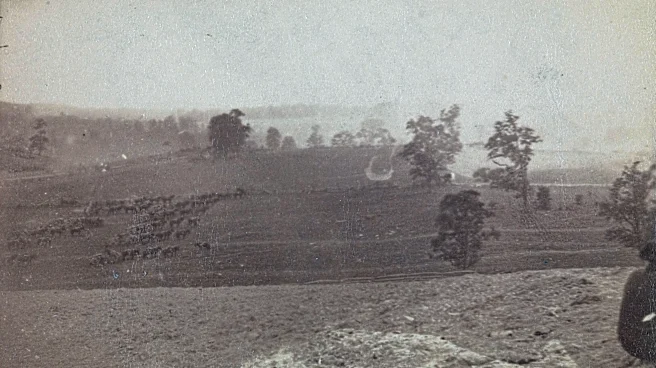



The retreat from Gettysburg marked a significant moment in the American Civil War, as the Confederate Army of Northern Virginia, led by General Robert E. Lee, withdrew after failing to defeat the Union Army. This retreat, beginning on July 4, 1863, was a complex operation involving strategic decisions and logistical challenges. The Confederate forces faced numerous obstacles, including harsh weather, difficult terrain, and the threat of Union pursuit,
as they made their way back to Virginia.
The Decision to Retreat
Following the Battle of Gettysburg, General Lee realized that his army could not achieve further success in the campaign. The Union Army, under Maj. Gen. George G. Meade, had not launched a counterattack by the evening of July 4, prompting Lee to order a retreat. The Confederate forces were unable to sustain themselves by living off the Pennsylvania countryside, and the Union could easily bring reinforcements, whereas Lee could not. Additionally, Lee's artillery chief reported that all long-range artillery ammunition had been expended, leaving the army vulnerable.
Lee's decision to retreat was influenced by the need to preserve his army's strength and morale, despite suffering over 20,000 casualties. The retreat was planned meticulously, with Lee consolidating his lines and preparing a long train of wagons carrying equipment, supplies, and wounded men. This strategic withdrawal aimed to protect the army's remaining resources and ensure a safe return to Virginia.
Challenges During the Retreat
The Confederate retreat was fraught with challenges. The army faced torrential rains that flooded the Potomac River, making fording impossible and destroying pontoon bridges. This situation threatened to trap the Confederate forces, forcing them to defend themselves against the pursuing Union Army with their backs to the river. The retreat route involved navigating treacherous roads and enduring enemy cavalry raids.
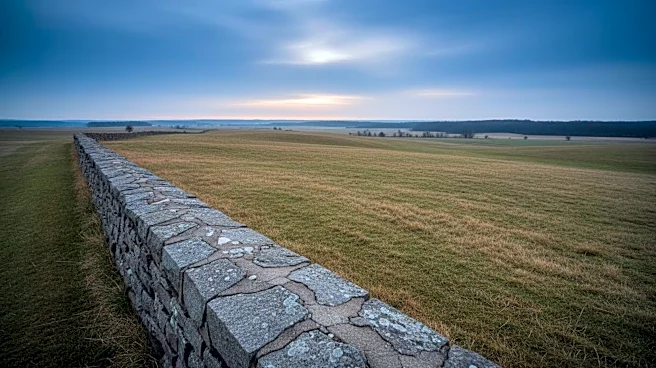
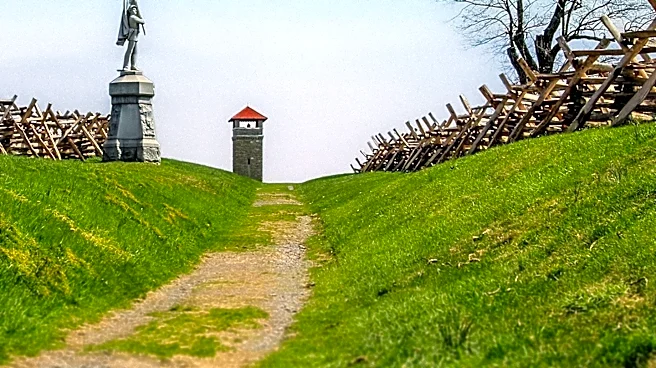
Despite these difficulties, the Confederate forces managed to erect substantial defensive works while awaiting the Union Army's arrival. The Union forces, pursuing over longer roads, were unable to perform adequate reconnaissance and attack the Confederate fortifications before Lee's army escaped across fords and a hastily rebuilt bridge.
The Impact of the Retreat
The retreat from Gettysburg ended the Gettysburg campaign, with the Confederate forces suffering over 5,000 casualties during the retreat. The Union Army, plagued by expiring enlistments and logistical challenges, was unable to capitalize on the opportunity to decisively defeat Lee's army. The retreat demonstrated the resilience and strategic acumen of the Confederate forces, despite their setbacks.
The retreat from Gettysburg was a pivotal moment in the Civil War, highlighting the complexities of military strategy and the challenges faced by both sides. It underscored the importance of logistics, terrain, and timing in determining the outcome of military campaigns.