







The Clayton Antitrust Act, enacted on October 15, 1914, stands as a pivotal piece of legislation within United States antitrust law. Its primary goal was to add further substance to the existing U.S. antitrust regime, specifically by preventing anticompetitive practices in their early stages. Introduced in the House of Representatives by Henry De Lamar Clayton Jr. and signed into law by President Woodrow Wilson, this act aimed to address shortcomings
of the earlier Sherman Antitrust Act of 1890, which was the first federal law to outlaw practices harmful to consumers, such as monopolies, cartels, and trusts. The Clayton Act sought to provide more specific prohibitions and enforcement mechanisms to foster a competitive market environment.
Legislative Journey and Key Provisions
The journey of the Clayton Act through Congress was a significant one. It was introduced in the House as H.R. 15657 on April 14, 1914, by Henry De Lamar Clayton Jr. Following committee consideration by both the House Judiciary and Senate Judiciary, the bill passed the House on June 5, 1914, with a vote of 277–54. The Senate passed it on September 2, 1914, with amendments, by a vote of 46–16. After further amendments and conference reports, both chambers agreed to the final version, and President Woodrow Wilson signed it into law on October 15, 1914. This legislative process highlights the importance placed on refining antitrust regulations during that era.
The Act made both substantive and procedural modifications to federal antitrust law. Substantively, it aimed to capture anticompetitive practices in their incipiency by prohibiting specific types of conduct deemed detrimental to a competitive market. These included price discrimination, exclusive dealing, tying arrangements, and certain mergers. The Act is codified at 15 U.S.C. §§ 12–27 and 29 U.S.C. §§ 52–53, indicating its broad scope and integration into federal law.
Expanding on the Sherman Act and Enforcement
One of the core functions of the Clayton Act was to supplement the Sherman Antitrust Act of 1890. While the Sherman Act broadly prohibited "concerted activities" like agreements that restrained trade, the Clayton Act specified prohibited conduct more clearly. For instance, unilateral price discrimination was outside the reach of Sherman Act Section 1, but the Clayton Act addressed it. Similarly, while exclusive dealing, tying, and mergers could theoretically fall under Sherman Act Section 1, and mergers creating monopolies under Section 2, the Clayton Act provided more direct and extensive regulation.
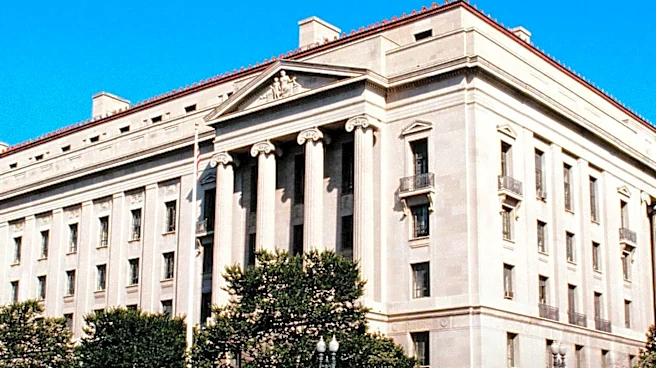
Section 7 of the Clayton Act, in particular, allowed for greater regulation of mergers than Sherman Act Section 2. It did not require a merger to create a monopoly before a violation could be found, instead prohibiting acquisitions where the effect "may be substantially to lessen competition, or to tend to create a monopoly." This provision was strengthened by the Celler–Kefauver amendments of 1950, which extended its coverage to asset as well as stock acquisitions. The Act also established a three-level enforcement scheme and remedial measures. The Federal Trade Commission and the United States Department of Justice Antitrust Division are the agencies affected by this legislation, and they continue to regulate mergers, often using tools like the Herfindahl–Hirschman Index (HHI) test for market concentration to assess potential anticompetitive impacts.
Exemptions and Later Amendments
An important aspect of the Clayton Act is its exclusion of labor unions from its prohibitions on anticompetitive practices. This meant that activities such as boycotts and strikes by labor unions were not regulated by this law, a significant distinction from other forms of business conduct. This exemption reflected a recognition of the distinct nature and purpose of labor organizations.
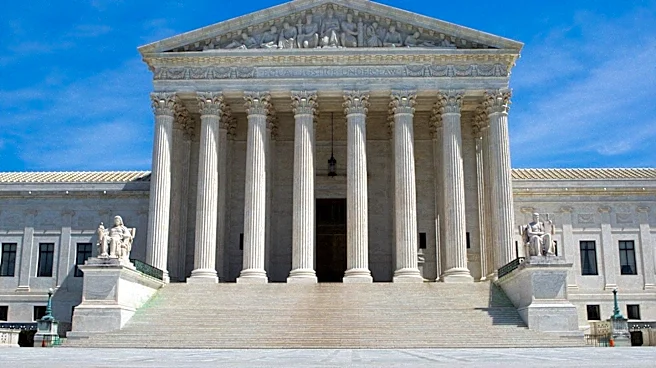
Over the years, the Clayton Act has been subject to major amendments that further shaped its application and scope. Notable amendments include the Robinson–Patman Act of 1936, which focused on price discrimination, the Celler–Kefauver Act of 1950, which strengthened merger regulations, and the Hart–Scott–Rodino Antitrust Improvements Act of 1976, which introduced premerger notification requirements. These amendments, along with interpretations by U.S. courts, particularly the Supreme Court, have continuously developed and animated the substance of the Clayton Act, ensuring its ongoing relevance in maintaining a competitive marketplace.