








The Steve Allen Show was a groundbreaking variety program that aired from 1956 to 1964, hosted by the charismatic Steve Allen. Known for its eccentric guests and innovative comedic style, the show left a lasting impact on American television. This article explores the evolution of The Steve Allen Show, highlighting its various phases and the changes it underwent during its run.
The NBC Years
The Steve Allen Show first aired on NBC from June 1956 to June 1960. During
its initial years, the show was broadcast on Sunday nights at 8:00 p.m. Eastern Time, directly competing with The Ed Sullivan Show. This scheduling choice was significant, as it placed Allen's variety program against one of the most popular shows of the time. Despite the competition, The Steve Allen Show carved out its niche, attracting viewers with its unique blend of comedy and music.
In the 1959-60 season, the show moved to Mondays at 10:00 p.m. Eastern Time and was renamed The Steve Allen Plymouth Show, reflecting its sponsorship by Plymouth automobiles. This shift marked a new phase for the program, allowing it to reach a different audience and continue its tradition of featuring eclectic guests and innovative sketches.
The ABC and Syndication Era
After a brief hiatus, The Steve Allen Show returned in the fall of 1961 on ABC, airing for a short period until December of the same year. This version of the show introduced new cast members, including Joey Forman, Buck Henry, and The Smothers Brothers, alongside returning favorites like Louis Nye and Tom Poston. Despite the fresh talent, the ABC iteration was short-lived, lasting only 14 episodes.
In 1962, The Steve Allen Show found new life in first-run syndication, continuing until 1964. This period allowed Allen to experiment further with the show's format, incorporating outdoor stunts and featuring a diverse array of guests, from health food enthusiast Gypsy Boots to musical icon Miles Davis. The syndicated version maintained the show's reputation for unpredictability and creativity, influencing future generations of comedians.
Legacy and Influence
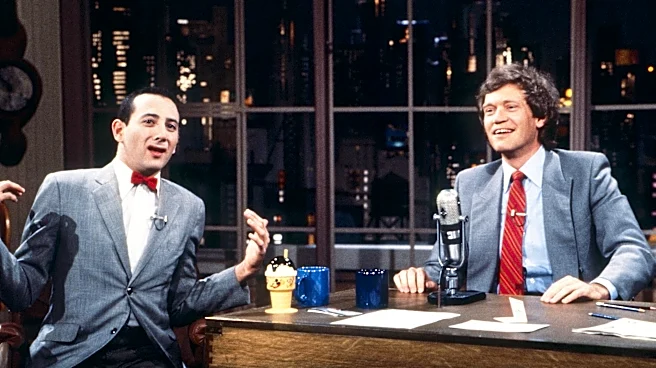
The Steve Allen Show is remembered today as a classic of American late-night television, influencing comedy greats like David Letterman and Robin Williams. Its anarchic style and willingness to push boundaries set a precedent for future variety and talk shows. The program's legacy is evident in the careers it launched, including those of Don Knotts and Tim Conway, who became household names thanks to their appearances on Allen's show.
Through its various iterations, The Steve Allen Show demonstrated the power of television to entertain and innovate, leaving an indelible mark on the medium and paving the way for future comedic endeavors.