



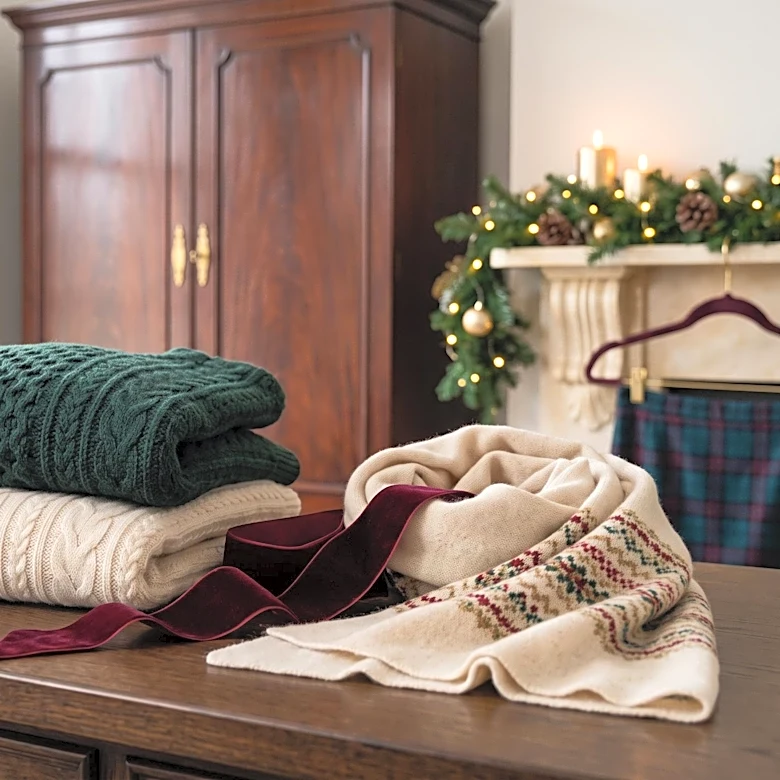





In contemporary society, laundry encompasses more than just the act of washing clothes; it refers to the garments themselves, the dedicated spaces where cleaning occurs, and the systematic processes involved in maintaining textiles. Modern homes, shared residential facilities, and commercial establishments all play a role in addressing this universal need. The evolution of laundry has led to specialized rooms, advanced machinery, and a range of services
designed to make textile care efficient and accessible.
Dedicated Laundry Spaces in Homes and Communities
Today, the term "laundry" can refer to the clothing that needs cleaning or the location where the cleaning takes place. In individual homes, a dedicated laundry room is common, often equipped with an automatic washing machine and a clothes dryer. These rooms may also include a large basin, sometimes called a laundry tub or trough, for hand-washing delicate items. Beyond just laundry, a utility room might serve multiple functions, including closet organization and general storage, in addition to housing laundry equipment.For those living in apartment buildings or student halls of residence, shared laundry facilities are a common amenity. These communal spaces provide residents with access to washing and drying machines. Beyond residential settings, stand-alone businesses known as self-service laundries cater to the public. In North America, these are often called laundromats, while in British English, they are known as launderettes. These facilities allow individuals to wash and dry their clothes using coin-operated or card-operated machines, providing a vital service for those without in-home laundry appliances or for washing larger items.
The Comprehensive Laundry Process
The act of laundry involves several distinct processes to ensure textiles are thoroughly cleaned and prepared for use. These processes typically include washing, agitation, rinsing, drying, pressing (ironing), and folding. Washing usually involves water combined with detergents or other chemicals designed to break down dirt and stains. Agitation, whether by hand or machine, helps to dislodge these materials from the fabric fibers.Temperature plays a significant role in the effectiveness of washing. Often, water is heated above room temperature to enhance the activity of cleaning chemicals and increase the solubility of stains. High temperatures are also known to kill microorganisms that may be present on fabrics, contributing to hygiene. However, specific fabrics like cotton are often advised to be washed at cooler temperatures to prevent shrinking. After washing, clothes undergo rinsing to remove soap residue and loosened dirt. The final stages involve drying, which can be done by air or machine, followed by pressing or ironing to smooth out wrinkles, and finally, folding for storage.
Commercial Laundry Services and Specialized Care
Beyond home and self-service options, a variety of professional laundry services are available in the market, offering different price ranges and specialized care. These services can handle everything from everyday clothing to delicate items and large household textiles. Some commercial laundries offer "fluff & fold" or "wash-n-fold" services, where customers drop off their laundry to be washed, dried, and folded by staff. This can be particularly convenient for busy individuals or those with limited time.These professional establishments often utilize industrial-grade equipment and specialized cleaning agents to achieve optimal results. The existence of such diverse laundry solutions, from personal laundry rooms to shared facilities and full-service businesses, highlights the ongoing importance of textile care in daily life and the continuous adaptation of methods to meet evolving needs and lifestyles.