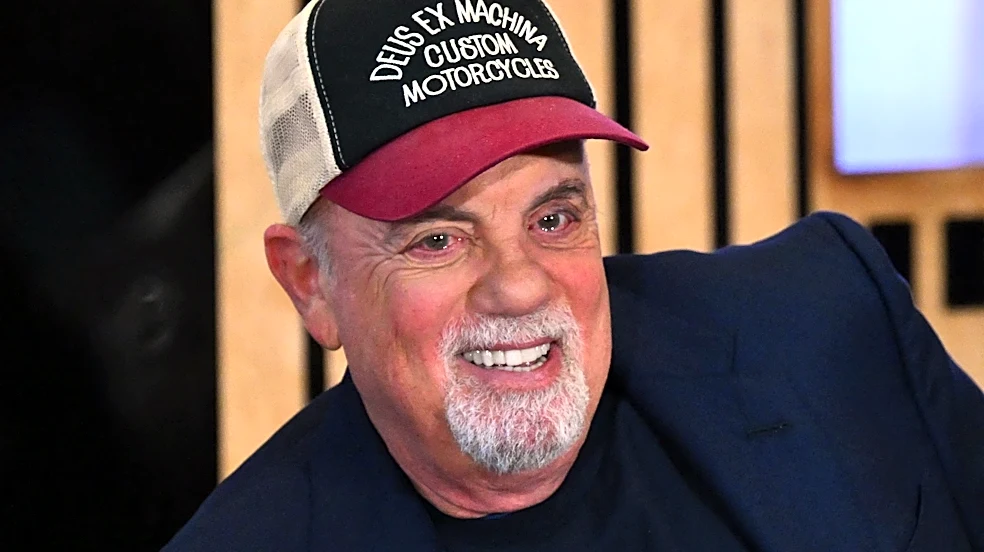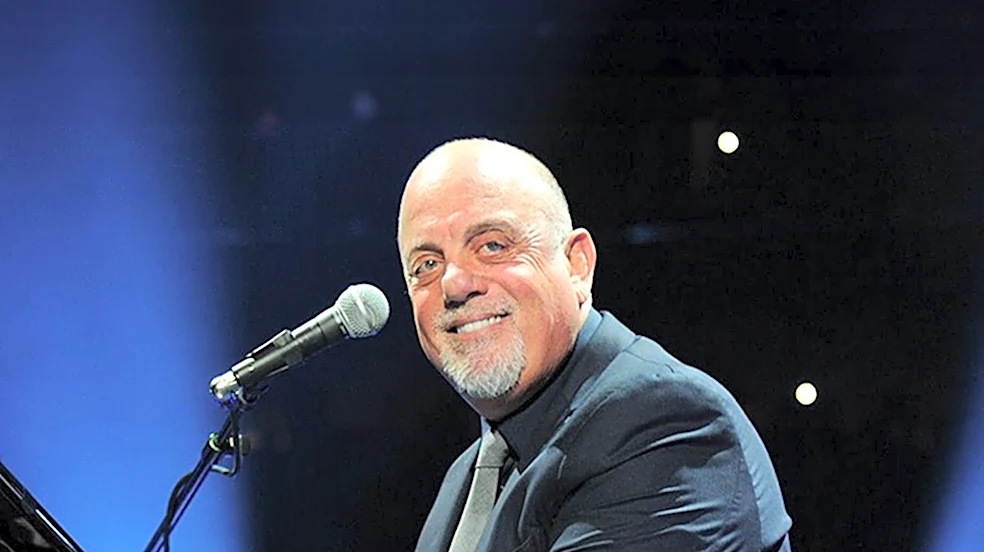








Billy Joel's eleventh studio album, "Storm Front," released on October 17, 1989, marked a significant moment in his long-standing career. This album not only achieved commercial success, becoming his third album to reach No. 1 in the U.S., but it also represented a notable departure in his musical approach and personnel. The production collaboration with Mick Jones of Foreigner, a recommendation from Eddie Van Halen, signaled a fresh direction for
Joel, moving away from his previous creative patterns. This period saw Joel embracing new influences and making substantial changes to his long-time backing band, indicating a desire for evolution in his sound and live performances.
Production and Musical Influences
The production of "Storm Front" was a collaborative effort between Billy Joel and Mick Jones, known for his work with Foreigner. This partnership was particularly interesting given that Jones was recommended by Eddie Van Halen, who had previously worked with Jones on Van Halen's 1986 album "5150." This external influence suggests Joel was open to incorporating new production styles and sounds into his music. The album's genres are described as art rock, arena rock, hard rock, and new wave, showcasing a broader sonic palette than some of his earlier works.
Joel himself has spoken about specific inspirations for the album's sound. In SiriusXM interviews, he mentioned being inspired by Peter Gabriel's 1986 track "Sledgehammer" for the "driving rhythm section" when he was composing the title track. This detail highlights a conscious effort to infuse contemporary sounds and rhythmic energy into "Storm Front," contributing to its distinct feel compared to his previous albums. The recording process took place across several studios, including Hit Factory, Right Track, and Power Station in New York City, as well as The Warehouse in Vancouver, British Columbia, Canada, indicating a diverse and perhaps extensive recording period from 1988 to 1989.
Radical Changes in the Backing Band
One of the most striking aspects of "Storm Front" was the radical overhaul of Billy Joel's backing band. This was a significant departure, as several long-time members who had been with Joel since his previous studio album, "The Bridge," were discharged. Russell Javors, the rhythm guitarist, and Doug Stegmeyer, the bass guitarist, were among those who left the band. Dave Lebolt, the keyboardist, also departed during this period.
Their replacements brought new talent and dynamics to Joel's ensemble. Joey Hunting took over as rhythm guitarist for the album recordings, with Tommy Byrnes stepping in for the subsequent tour. Schuyler Deale replaced Stegmeyer on bass, and Jeff Jacobs assumed the keyboard duties from Lebolt. While these changes were substantial, some familiar faces remained, including band regulars Liberty DeVitto, David Brown, and Mark Rivera. Additionally, Joel brought in percussionist and multi-instrumentalist Crystal Taliefero, who would continue to work with him for many years, further solidifying the new lineup and sound for this pivotal album.
Album Art and Enduring Tracks
The album's cover art itself conveyed a sense of change and intensity, depicting a maritime storm warning flag. This flag indicates wind forces 10–12, which represents the highest intensity on the Beaufort scale, visually reinforcing the album's title and perhaps its thematic content. Beyond the band changes and production, "Storm Front" also featured one of Joel's most iconic songs, "We Didn't Start the Fire." This fast-paced track famously cataloged historical events, trends, and cultural icons from 1949, the year Joel was born, up until 1989, becoming a cultural touchstone.
Another notable track from the album is "And So It Goes." Interestingly, this song was written and first recorded much earlier, in 1983. An original demo of the song was later released on the box set compilation "My Lives" in 2005. Joel wrote "And So It Goes" about his relationship with model Elle Macpherson, which began around 1983. The song's enduring quality is further highlighted by its use as the title for a 2025 documentary about Joel's life, "Billy Joel: And So It Goes," demonstrating its lasting impact and personal significance within his catalog.