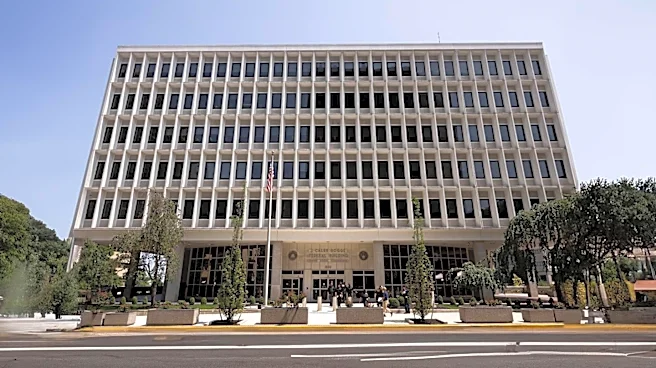



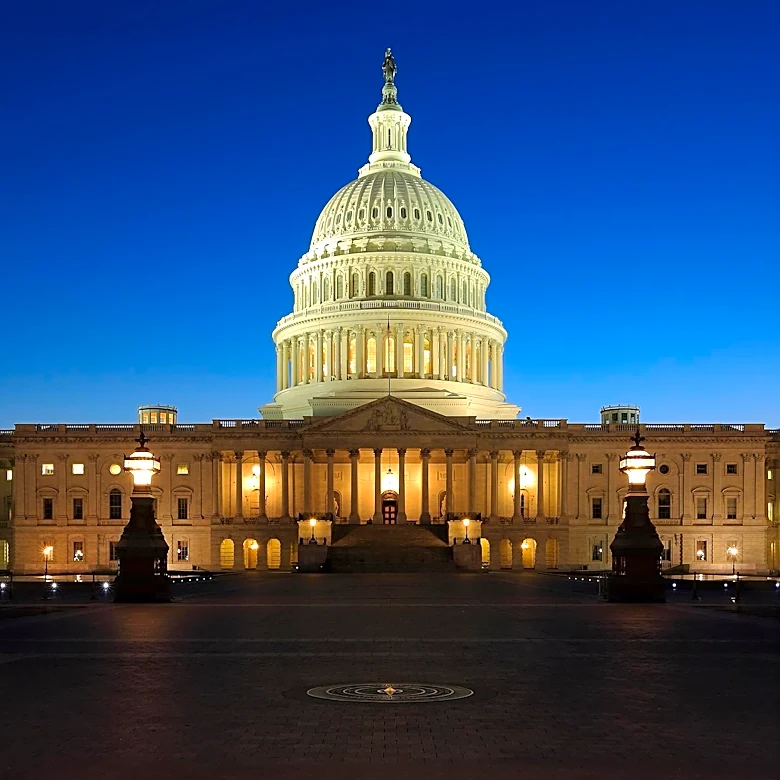



The Notification and Federal Employee Anti-discrimination and Retaliation Act of 2002, widely known as the No FEAR Act, stands as a significant piece of civil rights legislation in the United States. Signed into law by President George W. Bush, this Act was designed to enhance the accountability of federal agencies regarding discrimination and retaliation against their employees. Its creation was directly inspired by the experiences of Marsha Coleman-Adebayo,
a former senior policy analyst for the Environmental Protection Agency (EPA), whose personal struggle brought to light critical deficiencies in federal employee protections.
The Catalyst: Marsha Coleman-Adebayo's Legal Battle
The genesis of the No FEAR Act can be traced back to Marsha Coleman-Adebayo's complaints and subsequent lawsuit against the EPA. Beginning in 1996, Coleman-Adebayo raised concerns about a U.S. company's vanadium mining operations in South Africa, alleging environmental and human health harms. When the EPA failed to respond to her complaints and later denied her a promotion, she filed a lawsuit against the agency. Her suit alleged racial and gender discrimination, highlighting a hostile work environment within the EPA.
On August 18, 2000, a federal jury found the EPA guilty of violating Coleman-Adebayo's civil rights. The verdict specifically cited discrimination based on race, sex, color, and the presence of a hostile work environment, all in contravention of the Civil Rights Act of 1964. This landmark ruling underscored the need for stronger protections for federal employees and greater accountability for federal agencies. The case served as a powerful example of the challenges individuals faced when confronting discrimination within government institutions.
Legislative Response and Key Provisions
The jury's verdict in Coleman-Adebayo's case directly inspired the passage of the No FEAR Act. Recognizing the systemic issues that her experience brought to the forefront, Representative James Sensenbrenner worked closely with the No FEAR Coalition, led by Coleman-Adebayo, to organize a successful grassroots campaign. This collaborative effort culminated in the Act's passage, marking it as the first Civil Rights Law of the 21st Century. The Act's primary goal was to ensure that federal agencies are held responsible for acts of discrimination and retaliation against their employees.
The No FEAR Act introduced several key provisions aimed at achieving this goal. It requires federal agencies to provide their employees with notice of their rights and remedies under anti-discrimination laws. Furthermore, it mandates that agencies post statistical data relating to discrimination complaints on their public websites, promoting transparency and allowing for public oversight. Crucially, the Act also makes agencies financially accountable for judgments and settlements resulting from discrimination cases, thereby creating a direct incentive for agencies to prevent such issues. These measures were designed to foster a more equitable and respectful work environment across the federal government.
Impact and Ongoing Advocacy
The No FEAR Act has had a significant impact on federal employment law, providing a stronger framework for addressing discrimination and retaliation. It has empowered federal employees by making agencies more transparent and accountable. Marsha Coleman-Adebayo, through her continued leadership of the No FEAR Coalition, remains a prominent advocate for the Act's full implementation and for the rights of federal employees. Her work, alongside organizations like EPA Employees Against Racial Discrimination, continues to push for a federal workplace free from prejudice and unfair treatment. The Act stands as a testament to the power of individual action to drive legislative change and improve civil rights protections.