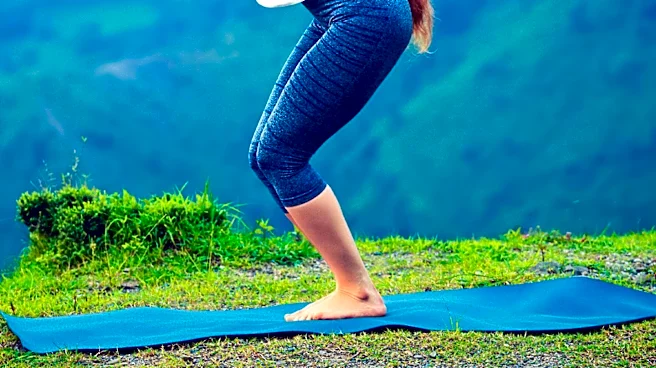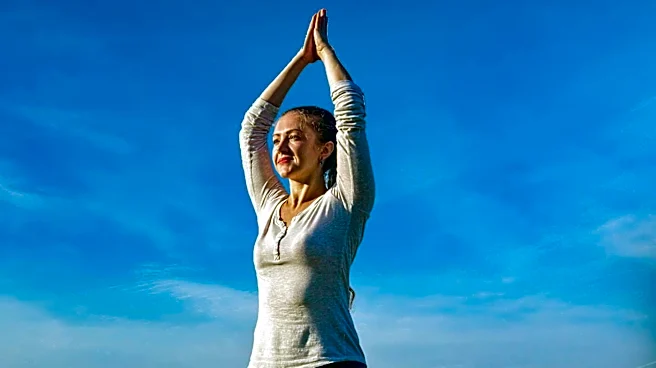

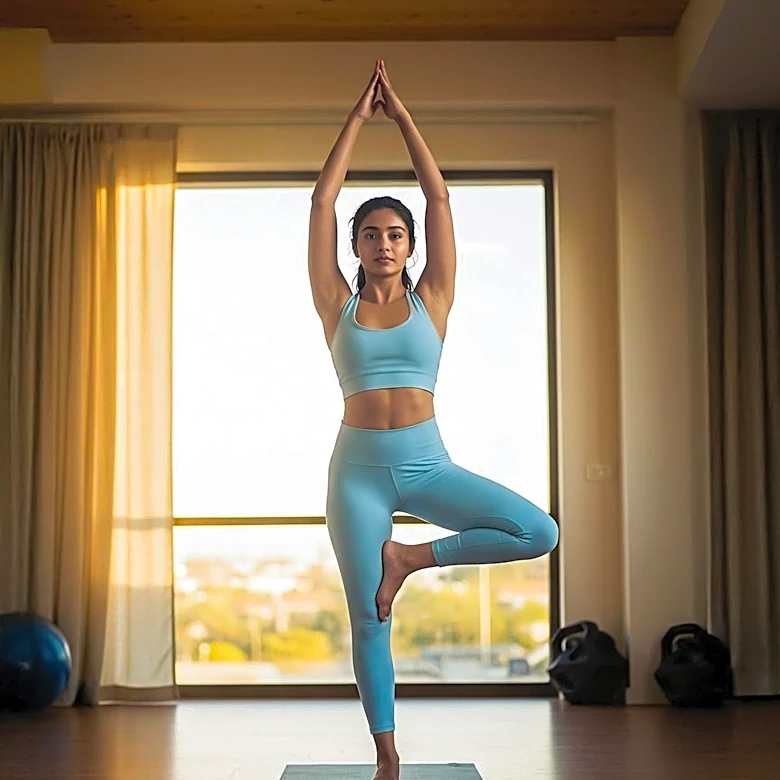



Vrksasana, commonly known as Tree Pose, is a prominent standing balance asana in yoga. Its historical roots trace back to ancient practices, and it has evolved to become a staple in modern yoga. This article delves into the historical journey of Vrksasana, highlighting its origins and significance in the yoga tradition.
Ancient Origins and Development
Vrksasana's name is derived from the Sanskrit words "vriksha," meaning tree, and "asana," meaning posture. This asana is one of the few
standing poses in medieval Hatha Yoga, indicating its longstanding presence in yoga practice. The pose is described in the 17th-century text Gheranda Samhita, showcasing its historical importance.
The pose's ancient origins are further evidenced by a 7th-century stone carving in Mahabalipuram, which depicts a figure standing on one leg. This suggests that a pose similar to Vrksasana was practiced during that time. The carving is part of the UNESCO World Heritage site, highlighting the cultural significance of yoga in ancient India.
Modern Popularity and Practice
In contemporary yoga, Vrksasana is celebrated for its balance and focus. It is often featured in yoga magazines and public displays, such as the International Day of Yoga. The pose's iconic status in modern yoga underscores its enduring appeal and adaptability.
Different yoga styles have incorporated Vrksasana with unique variations. In Bikram Yoga, the pose is referred to as Tadasana, with specific modifications to enhance balance. Ananda Yoga, founded by Swami Kriyananda, also includes Vrksasana, emphasizing relaxation and focus.
Health Benefits and Therapeutic Uses
Vrksasana is not only a symbol of balance but also offers numerous health benefits. It strengthens the legs, knees, and feet, promoting physical stability. The pose encourages alignment of the head and spine, contributing to improved posture.
The therapeutic applications of Vrksasana extend to mental health as well. A study conducted in Chennai, India, demonstrated that practicing Vrksasana can enhance self-confidence and self-worth, particularly in individuals with depression. This highlights the pose's potential in yoga therapy, offering both physical and psychological benefits.
Vrksasana's historical journey from ancient carvings to modern practice illustrates its significance in the yoga tradition. As a symbol of balance and focus, it continues to inspire practitioners worldwide, offering both physical and mental benefits.