









Aerobics, a form of physical exercise that combines rhythmic movements with stretching and strength training, has become a staple in fitness routines worldwide. Its journey from a military-developed exercise to a popular fitness trend is a fascinating story of innovation and adaptation. This article explores the historical development of aerobics, highlighting its origins, evolution, and the key figures who contributed to its growth.
The Birth of Aerobics
Aerobics was developed
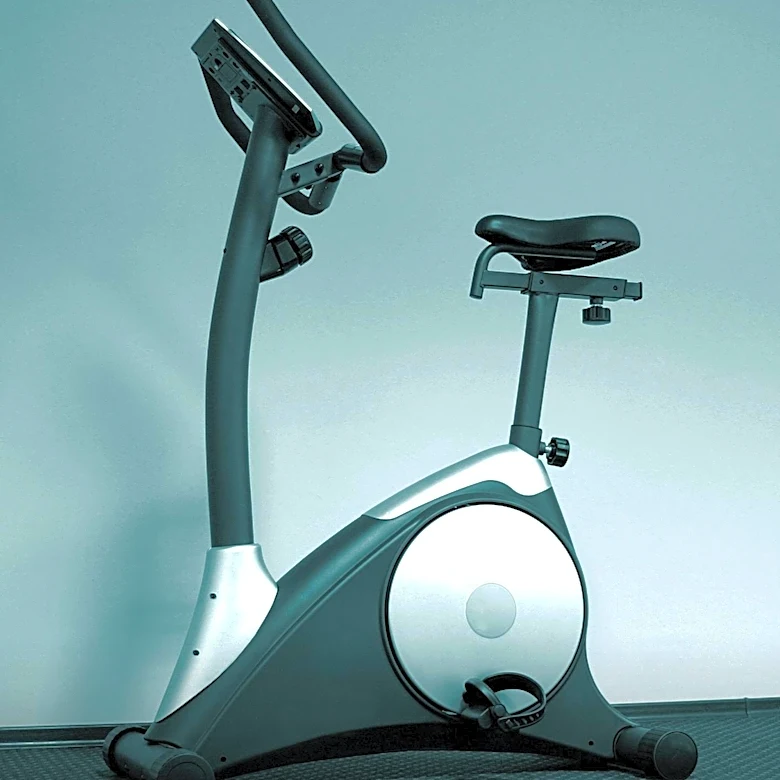
in the 1960s by Dr. Kenneth H. Cooper and Col. Pauline Potts, both associated with the United States Air Force. Dr. Cooper, an exercise physiologist, was intrigued by the discrepancy between muscular strength and performance in endurance activities like running and swimming. This curiosity led him to use a bicycle ergometer to measure sustained performance based on oxygen usage. His findings laid the groundwork for the aerobic exercise programs he later published.
In 1968, Dr. Cooper released his book "Aerobics," which introduced exercise programs incorporating running, walking, swimming, and bicycling. The book came at a time when there was growing awareness of the need for increased physical activity due to widespread inactivity. This publication marked the beginning of aerobics as a recognized form of exercise, setting the stage for its future development.
Aerobics Enters the Mainstream
Following the publication of Dr. Cooper's book, aerobics began to gain traction beyond military circles. The concept of combining rhythmic aerobic exercise with stretching and strength training appealed to a broader audience, leading to the establishment of formal aerobics classes. These classes were designed to improve flexibility, muscular strength, and cardiovascular fitness, often set to music and led by a fitness instructor.
As aerobics classes became more popular, they were divided into different levels of intensity and complexity to cater to participants of varying fitness levels. The structure of these classes typically included a warm-up, cardiovascular conditioning, muscular strength and conditioning, a cool-down, and stretching and flexibility exercises. This format allowed participants to engage in a comprehensive workout that addressed multiple aspects of physical fitness.
The Rise of Step Aerobics and Aerobic Gymnastics
In the mid-1980s, step aerobics emerged as a popular variant of traditional aerobics. Developed independently by several American exercise instructors, step aerobics involved using a low elevated platform, or step, to perform various exercises. This new form of aerobics was further popularized by shoe manufacturer Reebok, which began selling a plastic step unit in 1990.
Another evolution in the aerobics landscape was the development of aerobic gymnastics, also known as sport aerobics. This competitive form of aerobics combined elements of rhythmic and acrobatic gymnastics with traditional aerobic exercises. Participants were judged on dynamic and static strength, jumps and leaps, kicks, balance, and flexibility. Although not an Olympic sport, aerobic gymnastics has state, national, and international competitions, showcasing the versatility and appeal of aerobics in various forms.