




The United States Naval Institute (USNI) serves as a crucial private, non-profit military association, providing independent and nonpartisan platforms for the discussion of national security issues. Beyond its role as a publisher of influential magazines and books, the Naval Institute organizes several annual conferences, bringing together experts and practitioners to deliberate on pressing matters. Based in Annapolis, Maryland, the organization has
cultivated a significant membership, reaching almost 50,000 individuals by 2020, predominantly active and retired personnel from the U.S. Navy, Marine Corps, and Coast Guard. Its reach extends globally, with members in over 90 countries, underscoring its international relevance in naval and security discourse.
Fostering Independent Debate
From its inception on October 9, 1873, the Naval Institute was conceived as a space for critical discussion. Fifteen naval officers initially gathered to address topics such as the implications of a smaller, post-Civil War Navy. This foundational commitment to open dialogue has remained a core tenet of the USNI. The institute's forums are designed to be independent and nonpartisan, ensuring that a wide range of perspectives can be shared and debated without official governmental or military influence. This independence is further emphasized by the fact that the organization has no official or funding ties to the United States Naval Academy or the U.S. Navy, despite being located on the Academy grounds through a 1936 Act of Congress.
This dedication to independent thought allows for robust and often challenging discussions that contribute significantly to the evolution of national security strategies and naval doctrine. The ability to host such forums without institutional constraints is a hallmark of the USNI's value to the military and broader security communities.
Publishing Naval Thought: Magazines and Books
A cornerstone of the Naval Institute's mission is its extensive publishing program, which includes both magazines and books. In 1874, the institute began publishing the proceedings of its discussions, distributing these papers to its members. This early initiative evolved into a comprehensive publishing house, the Naval Institute Press, established in 1898. Initially focused on basic naval guides, the press's most famous publication, "The Bluejacket's Manual," is still issued to all U.S. Navy enlistees and is now in its 26th edition.
Beyond practical guides, the Naval Institute Press expanded to publish general-interest titles in history, biography, and current affairs, enriching the body of naval literature. The institute also publishes "Naval History," a bimonthly magazine launched in 1987. This magazine delves into the role of sea power in American history, featuring contributions from renowned historians like David McCullough and James M. McPherson, as well as notable figures such as Ernest Borgnine, Gene Hackman, Douglas Fairbanks Jr., Walter Cronkite, and Tom Brokaw. These publications collectively serve as vital resources for understanding naval heritage and contemporary security challenges.
Conferences and Modern Facilities for Engagement
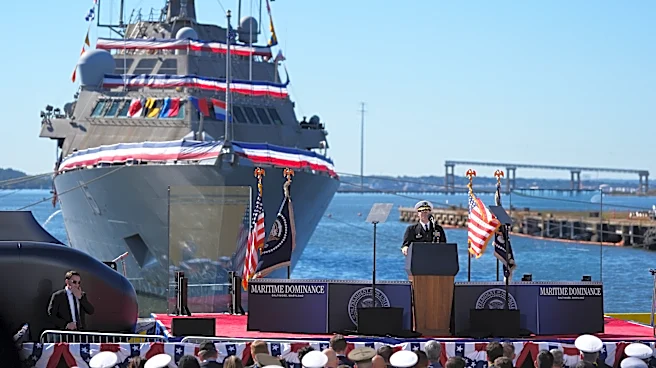
In addition to its publishing endeavors, the Naval Institute hosts several annual conferences, providing dynamic platforms for engagement and knowledge sharing. These events bring together military leaders, policymakers, academics, and other stakeholders to discuss critical national security issues. The institute's commitment to facilitating these gatherings is reflected in its modern facilities.
In 1999, the USNI moved into Beach Hall, a renovated Navy hospital, named in honor of Captain Edward L. Beach Jr. and Sr. More recently, on September 30, 2021, the Naval Institute opened the Jack C. Taylor Conference Center. This state-of-the-art facility boasts a 406-seat auditorium, various reception spaces, an indoor/outdoor rooftop terrace, five meeting rooms, and a broadcast studio. Named after decorated World War II Navy fighter pilot Jack C. Taylor, this center significantly enhances the institute's capacity to host large-scale events and foster continued dialogue on national security, reinforcing its role as a central hub for naval thought.