






Competitive swimming has a rich history that has evolved significantly over the years. From its early days in open water to the modern Olympic pools, the sport has undergone numerous changes in techniques, equipment, and regulations. This article delves into the historical development of competitive swimming, highlighting key milestones and innovations that have shaped the sport.
Early Days and Olympic Beginnings
Competitive swimming made its Olympic debut in 1896, with events held
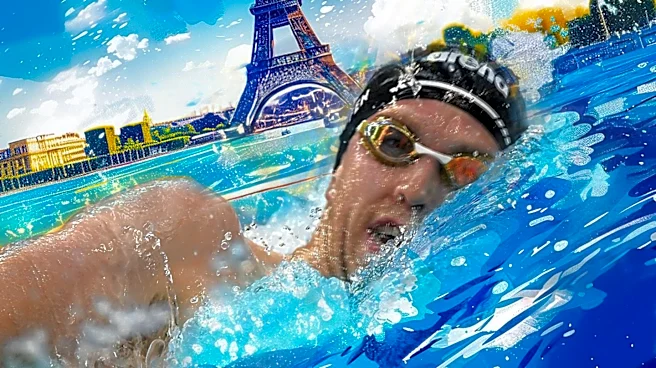
in open water. The first four Olympics featured swimming competitions in natural bodies of water, such as the Mediterranean Sea and the Seine River. It wasn't until the 1908 Olympics that a 100-meter pool was constructed, marking a significant shift in the sport's setting. This change allowed for more standardized conditions and the introduction of new techniques.
The early 20th century saw the introduction of diving blocks and the development of the flip-turn, which revolutionized the way swimmers approached races. These innovations contributed to faster times and more dynamic competitions. The 1912 Olympics marked the beginning of electronic timing, further enhancing the accuracy and fairness of the sport.
Technological and Technical Advancements
As the sport progressed, so did the technology and techniques used by swimmers. The 1940s saw a shift from full-body swimsuits to more streamlined designs, reducing drag and allowing for faster swims. Pool designs also evolved, with considerations for depth, lane width, and wave reduction, all aimed at minimizing resistance and maximizing speed.
The introduction of the butterfly stroke as a separate event in 1956 was another milestone. Previously, the butterfly was part of the breaststroke, but its separation allowed for more specialized training and competition. The 1976 Olympics saw the first use of swimming goggles, providing swimmers with better visibility and comfort.
Modern Era and Continued Innovation
In recent years, competitive swimming has continued to evolve with advancements in training techniques and equipment. The introduction of the medley relay in 1960 and the mixed medley relay in 2020 added new dimensions to the sport, encouraging strategic team compositions and diverse skill sets.
The inclusion of the 1500-meter freestyle for women in 2020 and the 800-meter freestyle for men reflects a move towards gender parity in event offerings. These changes demonstrate the sport's ongoing commitment to inclusivity and innovation.
Overall, competitive swimming has come a long way from its humble beginnings. With each new development, the sport continues to captivate audiences and inspire athletes worldwide, pushing the boundaries of human performance in the water.