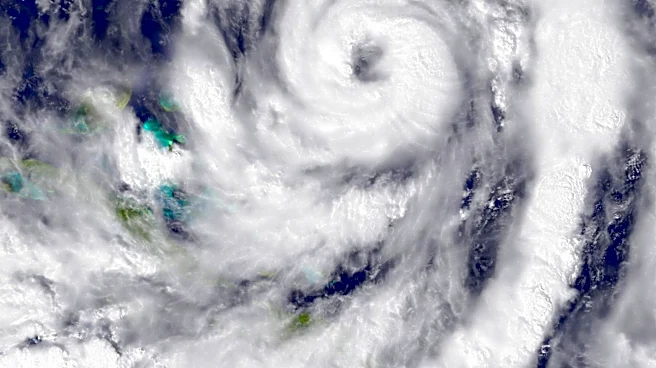




Hurricane Harvey, a powerful and catastrophic tropical cyclone, made landfall in Texas in August 2017, leaving behind a trail of unprecedented destruction. This event marked one of the costliest natural disasters in United States history, with its primary impact stemming from catastrophic rainfall-triggered flooding across Greater Houston and Southeast Texas. The storm's effects were widespread, leading to significant loss of life, immense property
damage, and a profound disruption to the lives of hundreds of thousands of Texans. The sheer scale of the disaster made it the costliest natural disaster recorded in Texas at the time.
Landfall and Initial Devastation
Hurricane Harvey made its initial landfall near Rockport, Texas, at 03:00 UTC on August 26, as a Category 4 hurricane with peak sustained winds of 130 mph. This made Harvey the first major hurricane to strike the United States since Wilma in 2005, and the strongest in Texas since Carla in 1961. Just hours later, Harvey made a second landfall just north of Holiday Beach, albeit as a slightly weaker high-end Category 3 storm. The immediate aftermath of these landfalls brought extreme winds, with a gust of 140 mph recorded in Rockport, where every single building sustained damage.
Following its landfalls, Harvey rapidly weakened but then stalled for multiple days over Texas, a critical factor in the ensuing torrential rainfall. This slow movement allowed the storm to continuously dump massive amounts of water, leading to the historic flooding that would define its impact. The hurricane's re-emergence over the extreme western Gulf of Mexico as a weak tropical storm on August 28 further exacerbated the situation, bringing additional rainfall to Greater Houston and parts of southwestern Louisiana.
Unprecedented Flooding and Human Cost
The rainfall totals from Hurricane Harvey were staggering, peaking at an astonishing 60.58 inches in Nederland, Texas. This made Harvey the wettest tropical cyclone on record in the United States. The resulting floods inundated hundreds of thousands of homes, displacing more than 30,000 people and prompting over 17,000 rescues. By August 29, approximately 13,000 people had been rescued across the state, while an estimated 30,000 were displaced.
The human toll was significant, with 103 storm-related deaths recorded nationwide. Of these, 103 occurred in Texas, with 68 directly attributed to the effects of Harvey, such as flooding. This marked the highest number of direct storm-related deaths in Texas since 1919. Beyond the immediate fatalities, the storm also caused 35 indirect deaths in its aftermath. The widespread nature of the flooding meant that many areas with low participation in the National Flood Insurance Program faced immense challenges, contributing to the large uncertainty in the total damage estimates.
Economic and Infrastructure Damage
The economic impact of Hurricane Harvey was immense, with total damage estimated at $125 billion (2017 USD). This figure places Harvey alongside Hurricane Katrina in 2005 as the costliest tropical cyclone on record in the country. In Texas alone, the storm caused at least $51.177 billion in damage. An estimated 300,000 structures and 500,000 vehicles were damaged or destroyed across the state. More than 48,700 homes were affected, including over 1,000 completely destroyed and more than 17,000 sustaining major damage, while approximately 32,000 suffered minor damage. Nearly 700 businesses were also damaged.
Infrastructure was severely impacted, with over 500 roads closed throughout Texas. The Texas Department of Transportation website received 5 million visits as people sought information. The refinery industry capacity was significantly reduced, and oil and gas production in the Gulf of Mexico and inland Texas was affected. The closure of oil refineries ahead of the hurricane led to a fuel shortage, causing panicked motorists to wait in long lines and forcing gas stations across the state to close. More than 20 percent of refining capacity was impacted by the storm. Additionally, 22 weak tornadoes touched down across the state, causing an estimated $7.601 million in damage, including an EF1 tornado near Fresno that resulted in minor injuries.