
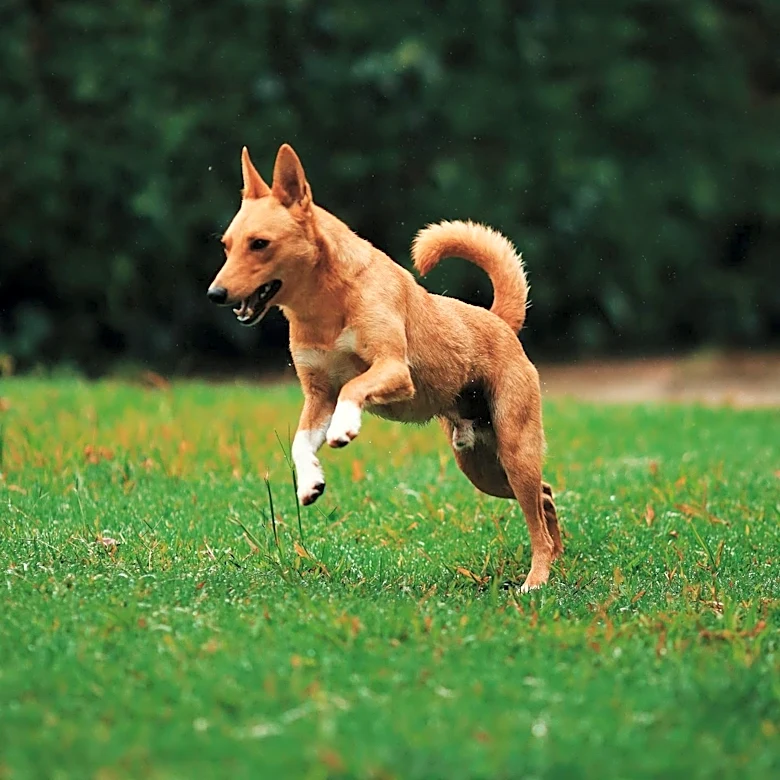



The Swedish Vallhund, a breed with ancient roots, has a rich history that spans over a millennium. Known for its herding abilities, this dog breed has seen near extinction and revival, making its journey a fascinating tale of survival and adaptation. This article delves into the historical development of the Swedish Vallhund, highlighting key moments that have shaped its existence.
Ancient Origins
The Swedish Vallhund, also known as the Västgötaspets, is believed
to have originated in Sweden over 1,000 years ago. The breed's name, Vallhund, translates to herding dog, reflecting its primary role in Swedish society. These dogs were initially bred to herd and drive cattle, a task they performed with great skill and agility. The Vallhund's history is intertwined with the Viking era, as it is thought that these dogs accompanied Vikings to England, influencing the development of other breeds such as the Welsh Corgi and the Lancashire Heeler.
The breed's connection to larger spitz-type dogs and moose hunting dogs of Scandinavia further emphasizes its ancient lineage. Archaeological findings have revealed that large spitz-type dogs were buried with their masters in Stone-Age settlements, indicating the long-standing relationship between humans and these dogs.
Near Extinction and Revival
In the early 20th century, the Swedish Vallhund faced the threat of extinction. By 1942, the breed's numbers had dwindled significantly, prompting concern among dog enthusiasts. It was the efforts of Swedish nationals Björn von Rosen and K. G. Zettersten that played a crucial role in reviving the breed. Through careful breeding and increased publicity, they managed to save the Vallhund from disappearing entirely.
In 1943, the Swedish Kennel Club officially recognized the breed, categorizing it as the Västgötaspets, named after the province of Västergötland where the revival efforts took place. This recognition marked a turning point for the breed, leading to its preservation and continued existence.
Modern Recognition and Popularity
Since its revival, the Swedish Vallhund has gained recognition beyond Sweden. The breed is now acknowledged by kennel clubs in over ten countries, showcasing its growing popularity. Despite its near extinction, the Vallhund has managed to capture the interest of dog lovers worldwide, thanks to its unique history and versatile abilities.
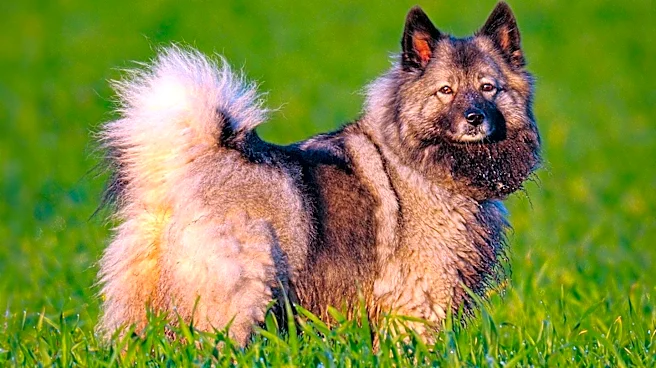
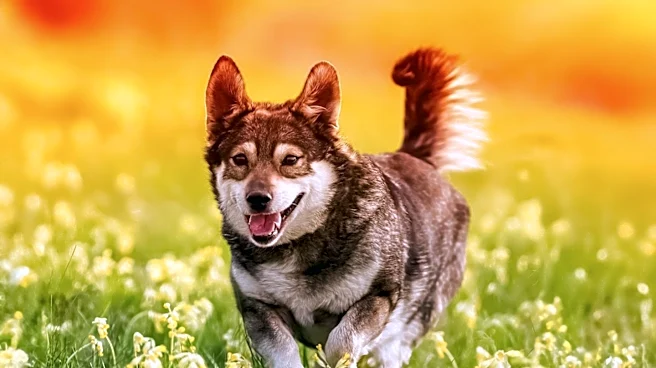
Today, the Swedish Vallhund is celebrated not only for its herding skills but also for its agility and guarding instincts. Its distinctive appearance, characterized by a double coat and curled tail, adds to its charm and appeal. The breed's journey from ancient times to modern recognition is a testament to its resilience and adaptability, ensuring its place in the canine world for years to come.