




Kotzebue, Alaska, stands as a testament to enduring human settlement and adaptation in the Arctic. Located in the Northwest Arctic Borough, it is not only the borough's seat but also its largest community, serving as a vital economic and transportation hub for the surrounding subregion. Its history stretches back centuries, rooted in its strategic location that fostered trade and cultural exchange long before the arrival of European explorers. From
its ancient origins as an Iñupiat gathering place to its modern role as a center for renewable energy and a site of presidential visits, Kotzebue embodies a rich tapestry of historical depth and contemporary relevance.
Ancient Roots and Trading Traditions
Archaeological evidence suggests that the Iñupiat people have inhabited the area where Kotzebue now stands since at least the 15th century. The city's location made it a natural focal point for trade and settlement across the entire region. The Noatak, Selawik, and Kobuk Rivers all drain into Kotzebue Sound nearby, establishing the area as a crucial center for inland transportation. This geographical advantage facilitated extensive trade networks, drawing not only people from interior villages but also inhabitants from far-eastern Asia, now known as the Russian Far East, who came to Kotzebue to exchange goods.
Among the items frequently traded were furs, seal-oil, hides, rifles, ammunition, and seal skins. Beyond commerce, the site also served as a gathering place for various communities to engage in competitions, much like the modern World Eskimo Indian Olympics. This long-standing tradition of gathering and exchange underscores Kotzebue's historical importance as a nexus of cultural and economic activity in the Arctic. The Iñupiaq name for the area, Qikiqtaġruk, meaning "small island" or "resembles an island," reflects its unique geographical feature as a landspit where the town was built amidst the tundra.
European Encounters and Naming
The arrival of European and American explorers, whalers, traders, gold seekers, and missionaries in later centuries further expanded Kotzebue's role as a trading center. The town eventually adopted the name Kotzebue, derived from the Kotzebue Sound. This sound was named after Otto von Kotzebue, a Baltic German who explored the area in 1818 while in the service of Russia, searching for the elusive Northwest Passage. The establishment of a United States post office in 1899 marked a formal integration into the broader American administrative structure, signaling a new era for the community.
Despite these external influences, the indigenous Iñupiat culture remained a strong foundation. The community continued to adapt and evolve, maintaining its significance as a regional hub. The blend of ancient traditions and new arrivals shaped Kotzebue into the unique place it is today, a place where history is visibly layered, from the traditional trading practices to the infrastructure of a modern American town in the Arctic.
21st Century Milestones and Modern Innovations
The 21st century has seen Kotzebue continue to make significant strides, particularly in the realm of sustainability and national recognition. In 2015, the city gained international attention when U.S. President Barack Obama delivered a speech on global warming there, marking him as the first sitting president to visit a location north of the Arctic Circle. This event highlighted Kotzebue's position on the front lines of climate change and its importance in discussions about the Arctic's future.
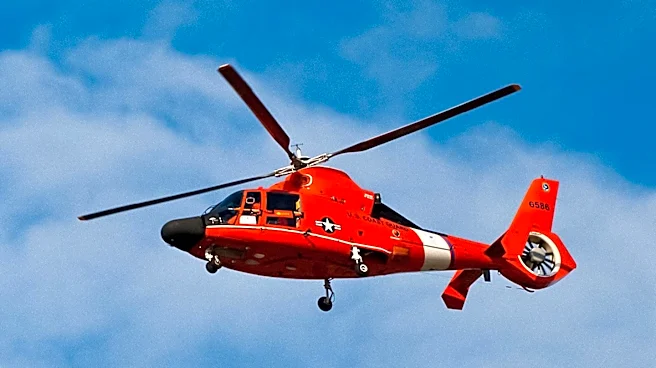
Beyond presidential visits, Kotzebue has also been recognized for its civic achievements. In 2017, the city received an All-America City award from the National Civic League, an accolade that celebrates communities for their innovative efforts to address local challenges. Furthermore, since 2016, the United States Coast Guard has deployed MH-60 Jayhawk helicopters to Kotzebue from July through October as part of Operation Arctic Shield, underscoring the city's strategic importance for regional safety and security. These modern developments, alongside its historical legacy, firmly establish Kotzebue as a dynamic and forward-looking community in the Alaskan Arctic.