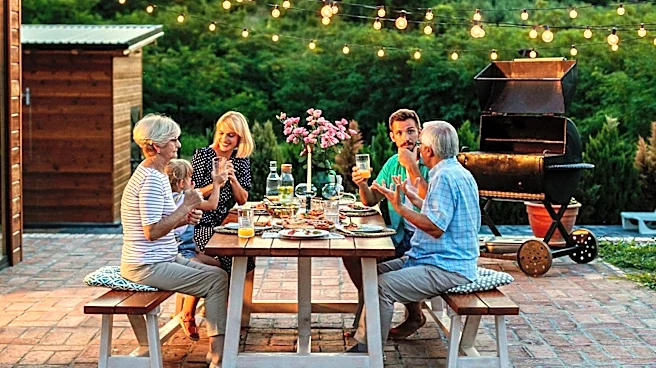









Asado is more than just a cooking technique; it is a deeply ingrained social event and a traditional barbecue in several South American countries, particularly Argentina and Uruguay. This culinary practice extends to Brazil (specifically Rio Grande do Sul), Chile, and Paraguay, where it signifies a gathering centered around slow-cooked meats. The experience typically involves a variety of meats, including beef, pork, chicken, chorizo, and morcilla,
all prepared over an open fire or on a grill known as a parrilla. The preparation is often overseen by a designated cook, referred to as an asador or parrillero, ensuring the meats are cooked to perfection. Red wine and various side dishes, such as salads, commonly accompany the main meat courses, making asado a comprehensive and communal dining experience.
The Art of the Asador: Cooking Techniques and Preparation
Central to the asado tradition is the meticulous cooking process, which emphasizes slow cooking and careful heat management. The meat for an asado is typically not marinated; instead, the only preparation involves applying salt either before or during the cooking period. This minimalist approach allows the natural flavors of the meat to shine through. The asador carefully controls the heat and the distance of the meat from the coals to achieve a slow cook, a process that usually takes around two hours. A crucial aspect of this technique is preventing grease from dripping onto the coals, as this can create smoke that would adversely flavor the meat. In some asados, the area directly beneath the meat is even kept clear of coals to avoid this.
There are two primary methods for cooking asado: al asador and a la parrilla. The al asador method involves lighting a fire directly on the ground or within a fire pit or grill. Metal crosses, also called asadores, are then used to hold an entire animal carcass splayed open, exposing it to the heat of the fire. This method is particularly traditional in Patagonia, where whole animals like lamb and pork are roasted on a wooden stick nailed into the ground and exposed to live coals, a technique known as asado al palo. The a la parrilla method, on the other hand, involves building a fire and, once charcoal has formed, placing a grill with the meat over it. In Uruguay, charcoal is often bypassed entirely, with the asado grilled directly over embers or hot coals.
The Feast: Meats, Accompaniments, and Regional Variations
An asado feast typically begins with a selection of appetizers, known as embutidos and achuras, while the larger cuts of meat, which require longer cooking times, are still on the grill. These initial offerings often include chorizos, morcillas (black pudding), chinchulines (cow chitterlings), and mollejas (sweetbreads), sometimes accompanied by provoleta, a grilled cheese dish. Chorizos may be served with pan felipe or baguette bread, creating a popular snack called choripán. These appetizers are sometimes served on a charcoal brasero to keep them warm.
Following the appetizers, the main meat courses are served. Common cuts include costillas or asado de tira (ribs), vacio (flank steak), and matambre. Chicken and chivito (goatling) may also be part of the spread. In recent times, dishes such as pamplona, pork, and Patagonian lamb have become more frequent, especially in restaurants. Beyond the meats, an asado typically includes bread and a simple mixed salad, often consisting of lettuce, tomato, and onions. Another popular accompaniment is verdurajo, a mixture of grilled vegetables like potatoes, corn, onion, and eggplant, seasoned with olive oil and salt. While salads are usually served as a side, home asados are sometimes eaten as a standalone dish, often directly from the cutting board, paired with chimichurri and slices of French bread to soak up the juices. Beverages like beer, wine, and soft drinks are common, and fresh fruit usually serves as dessert.
Regional variations add unique flavors to the asado experience. In Chile, asado is often accompanied by pebre, a fresh, dip-style salad made from diced tomatoes, coriander, garlic, and hot peppers. A lamb dish typical of southern Chile involves tying a whole lamb to a spit and roasting it perpendicular to a wood fire for about five hours, ensuring constant, low-heat cooking. In Paraguay, chipa guasu, sopa paraguaya, and boiled manioc are served as side dishes. These regional differences highlight the diverse culinary landscape of South America while maintaining the core tradition of the asado.