






The Communications Decency Act (CDA) of 1996 marked a significant legislative effort by the United States Congress to regulate obscene and indecent material on the Internet. This act was a pioneering attempt to extend content regulations, previously applied to television and radio, to the burgeoning digital landscape. However, the CDA faced substantial legal challenges, leading to a landmark Supreme Court decision that reshaped its impact. This article
delves into the historical development of the CDA, its legal hurdles, and the lasting influence of Section 230.
Origins and Legislative Intent
The CDA was introduced by Senators James Exon and Slade Gorton in response to growing concerns about the availability of pornography and other unsuitable materials for children on the Internet. At the time, indecency was regulated for television and radio by the Federal Communications Commission, with violators risking the loss of their broadcasting licenses. Obscenity was even more heavily regulated, prohibited entirely in mass media. However, the Internet lacked such precedents, prompting the need for new legislation.
The bill was added to the Telecommunications Act of 1996 and signed into law by President Bill Clinton on February 8, 1996. The CDA imposed criminal sanctions on individuals who knowingly used interactive computer services to send or display offensive material to minors. This marked the first statutory attempt to regulate Internet content, aiming to protect children from exposure to indecent and obscene materials.
Legal Challenges and Supreme Court Ruling
The CDA faced immediate legal challenges, with critics arguing that its restrictions infringed upon free speech rights. On June 12, 1996, the Third Circuit Court of Appeals blocked part of the CDA, citing concerns over adult free speech rights. The federal court for the Southern District of New York followed suit, striking down portions of the CDA as overbroad.
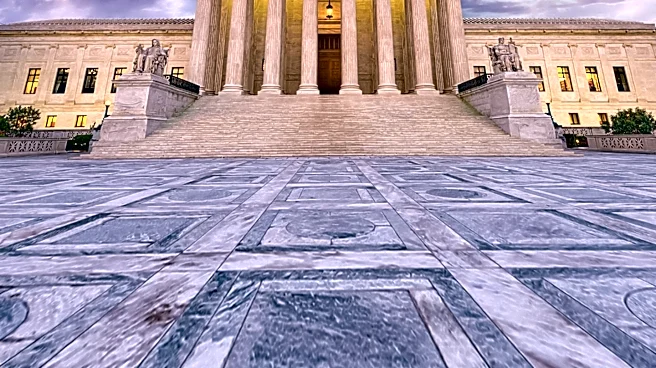
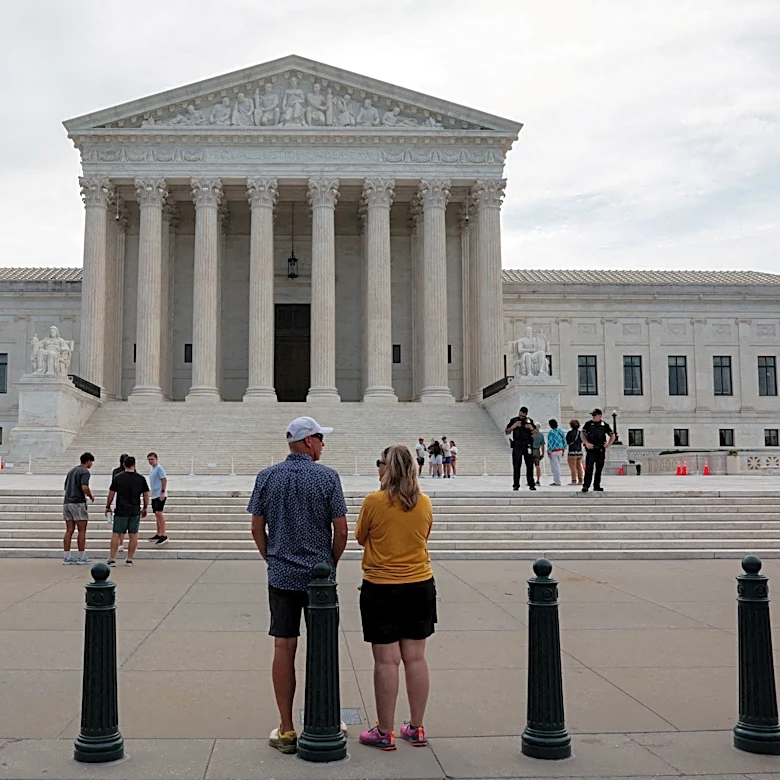
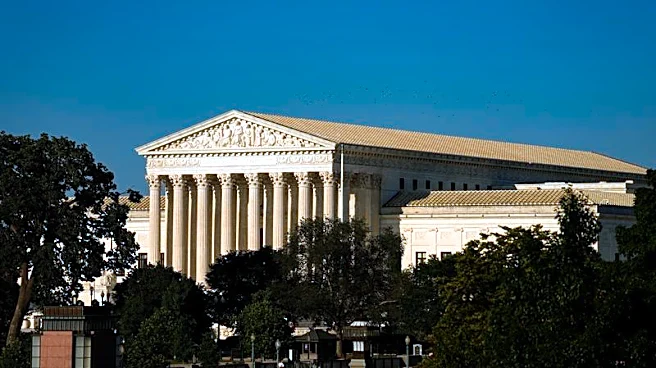
The most significant legal challenge came in the form of Reno v. American Civil Liberties Union, a Supreme Court case that ultimately overturned most of the CDA. On June 26, 1997, the Supreme Court ruled that the statute's content restrictions were an unconstitutional abridgment of the First Amendment. The Court emphasized that the CDA did not allow parents to decide what material was acceptable for their children and extended restrictions to speech suitable for consenting adults.
The Legacy of Section 230
Despite the Supreme Court's ruling, one provision of the CDA survived: Section 230. This section exempts operators of Internet services from liability for user-generated content, effectively shielding them from legal repercussions for the actions of their users. Section 230 has become a cornerstone of Internet law, fostering the growth of online platforms by allowing them to host user content without fear of liability.
The CDA's legacy is complex, with Section 230 remaining a vital part of Internet regulation. While the original intent of the CDA was largely overturned, Section 230 continues to influence the digital landscape, shaping how online platforms operate and interact with user-generated content.