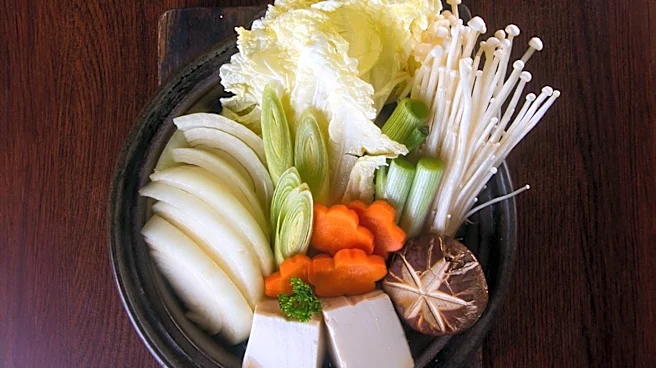








Hot pot, also known as steamboat, represents a distinctive Chinese culinary tradition centered around communal dining and interactive cooking. At its heart, hot pot involves a simmering pot of soup or stock placed on a heat source directly on the table. Diners then select from an assortment of raw ingredients, including various meats, fresh vegetables, and soy-based foods, which they cook themselves by dipping them into the hot broth. This method
of preparation not only ensures fresh, hot food but also fosters a shared dining experience, making it a popular choice across different regions and for various occasions.
The Fundamental Elements of Hot Pot
The basic setup of a hot pot meal is consistent: a central pot of broth kept hot throughout the meal, surrounded by platters of uncooked ingredients. The broth itself can range from simple to highly complex, often serving as a foundational flavor for the entire meal. The array of dippable items is extensive, typically featuring thinly sliced meats, such as beef, lamb, or goat, alongside a wide variety of leafy greens, mushrooms, and different types of tofu or soy products. This interactive style allows each diner to customize their meal, cooking items to their preferred doneness and combining flavors as they wish.Beyond the main ingredients, dipping sauces play a crucial role in enhancing the hot pot experience. These sauces can be simple, like a basic soy sauce, or elaborate, incorporating ingredients such as garlic, chili, sesame oil, and various spices. The combination of fresh ingredients cooked in a flavorful broth and then dipped into a personalized sauce creates a rich and varied taste profile that is characteristic of hot pot dining.
Regional Styles: A Culinary Map of China
Chinese hot pots are broadly categorized into "Southern style" and "Northern style," reflecting the cultural divide within China. Northern styles generally emphasize simplicity, often focusing on meat, particularly mutton, with water sometimes serving as the main ingredient for the broth rather than a heavily flavored stock. Instant-boiled mutton is a prime example of this northern approach, where the quality of the meat takes precedence.In contrast, Southern styles tend to feature spicier broths and more intricate dipping sauces. These variations often incorporate a wider range of seafood, vegetables, and mushrooms. For instance, Chongqing hot pot, a famous Southern variation, is known for its "mala" seasoning, which delivers a spicy and numbing sensation from chili and Sichuan pepper. This style often includes a diverse selection of meats and ingredients, complemented by numerous sauces and condiments, with a typical dipping sauce combining sesame oil with crushed fresh garlic and chopped spring onions.
Unique Regional Interpretations
Beyond the broad North-South divide, specific regions offer their own distinct hot pot traditions. In Hainan cuisine, hot pot is typically served in smaller woks with a pre-prepared broth that already contains pieces of meat. The meat is not fully cooked when served, requiring about fifteen minutes before it is ready to eat. Common additions to Hainanese hot pot include mushrooms, thinly shaved beef or goat meat, lettuce, and other green vegetables, with coconut water and juice frequently added to the broth for a unique flavor.Cantonese hot pot introduces an interesting element: diners sometimes mix a raw egg with their condiments. According to Chinese herbalist theories, this practice is believed to reduce the "heat" absorbed by the food, potentially lessening the likelihood of a sore throat after the meal. Meanwhile, in Jiangsu and Zhejiang cuisine, chrysanthemum flowers are cooked in the broth, imparting a delicate floral essence to the dish. These regional nuances highlight the adaptability and rich culinary heritage embedded within the hot pot tradition.