






Saudi Arabia, a country in Western Asia, has a rich history that dates back to ancient times. Known for its vast deserts and significant oil reserves, the nation has undergone significant transformations over the centuries. This article delves into the historical evolution of Saudi Arabia, from its early days to its establishment as a modern state.
Early Beginnings and the House of Saud
The history of Saudi Arabia as a nation state began with the emergence of the Al Saud dynasty in central
Arabia in 1727. This marked the establishment of the Emirate of Diriyah, which laid the foundation for the future kingdom. The Al Saud family played a crucial role in shaping the political landscape of the region, and their influence continues to this day.
The name "Saudi" is derived from the dynastic name of the Saudi royal family, the Al Saud. This name is formed by adding the word "Al," meaning "family of" or "House of," to the personal name of an ancestor. In this case, it refers to Saud ibn Muhammad ibn Muqrin, the father of the dynasty's 18th-century founder, Muhammad bin Saud.
The Formation of the Kingdom
The unification of the Kingdom of Hejaz and Nejd was a pivotal moment in Saudi Arabia's history. On September 23, 1932, Abdulaziz issued a royal decree naming the new state "al-Mamlaka al-‘Arabiyya as-Su‘ūdiyya," which translates to "the Kingdom of Saudi Arabia." This unification marked the official establishment of the modern Saudi state, bringing together various regions under a single national identity.
The formation of the kingdom was not just a political achievement but also a cultural and social milestone. It set the stage for the development of a unified national culture and identity, centered around the leadership of the House of Saud and the principles of Islam.
Modern Developments and Oil Reserves
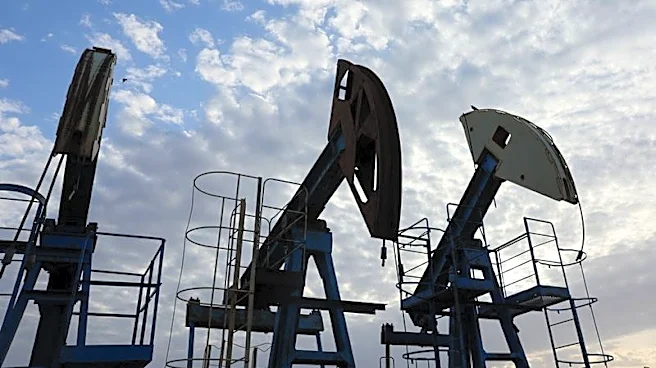
In the 20th century, Saudi Arabia's discovery of vast oil reserves transformed the nation into a global economic powerhouse. The proven oil reserves in Saudi Arabia are reportedly the second largest in the world, estimated to be 268 billion barrels. These reserves are predominantly found in the Eastern Province and have played a significant role in shaping the country's economy and international relations.
The oil industry has not only fueled economic growth but also facilitated modernization and development across various sectors. It has enabled Saudi Arabia to invest in infrastructure, education, and healthcare, contributing to the overall progress of the nation.
Saudi Arabia's historical journey from a collection of tribal regions to a unified kingdom with a thriving economy is a testament to the resilience and vision of its leaders. The country's rich history continues to influence its present and future, as it navigates the challenges and opportunities of the modern world.