








The discovery of streptomycin, hailed as the first effective antibiotic against tuberculosis, is a story not only of scientific triumph but also of significant controversy regarding credit and recognition. While Selman Abraham Waksman received the Nobel Prize in Physiology or Medicine in 1952 for this groundbreaking achievement, the roles of his PhD student, Albert Schatz, and other laboratory members, particularly Elizabeth Bugie, became subjects
of intense debate and legal battles. This complex history highlights the often-fraught dynamics within scientific research, where the pursuit of discovery can intersect with issues of intellectual property, professional acknowledgment, and financial reward.
The Core of the Dispute: Schatz's Role and Waksman's Recognition
Albert Schatz, a PhD student in Waksman's laboratory at Rutgers University, was the individual who first isolated streptomycin on October 19, 1943. His dedicated work, often in isolation due to the dangerous nature of handling tuberculosis bacteria, was central to the discovery. Schatz named the antibiotic and was the lead author on the initial scientific paper reporting the discovery, published in *Experimental Biology and Medicine* on January 1, 1944, with Elizabeth Bugie as the second author and Waksman as the third. Despite Schatz's pivotal role, Waksman was later accused of downplaying Schatz's contributions, suggesting that Elizabeth Bugie had a more significant part in its development.
The controversy escalated when it became apparent that Waksman had claimed financial benefits for himself and the Rutgers Research and Endowment Foundation, without initially acknowledging Schatz's entitlement to royalties. This led Schatz to file a lawsuit against both Dr. Waksman and the Rutgers Research and Endowment Foundation. Schatz sought not only recognition as a co-discoverer but also a share of the royalties generated from streptomycin. The legal proceedings brought to light the uneven distribution of credit and financial rewards, ultimately leading to a settlement. Waksman was to receive a 10% royalty, while Schatz was granted 3% and compensation for his missed royalties. The remaining 7% of the royalties was distributed among other lab members, with Bugie receiving 0.2%.
The Nobel Prize and Lingering Questions of Acknowledgment
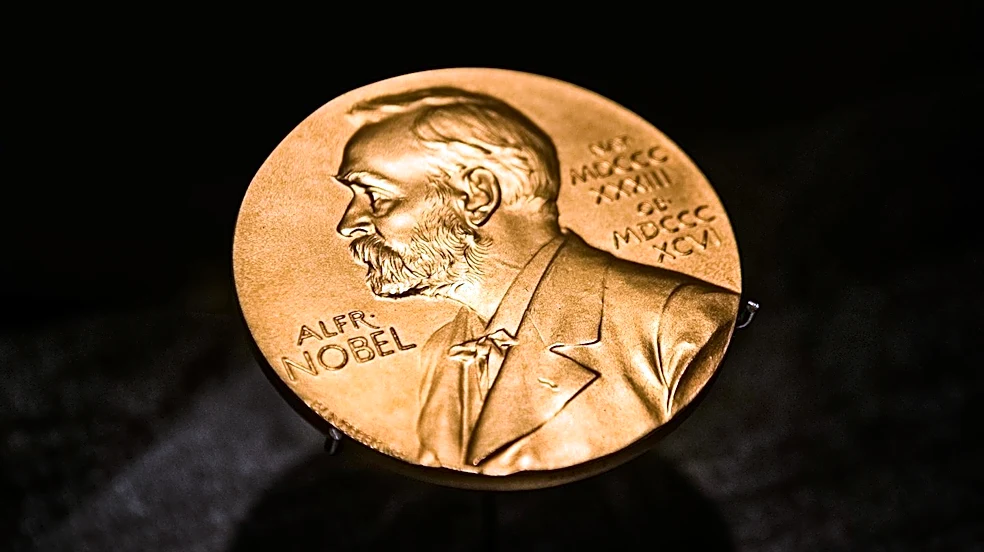
In 1952, Selman Waksman was awarded the Nobel Prize in Physiology or Medicine "for his discovery of streptomycin, the first antibiotic active against tuberculosis." This singular recognition further fueled the debate, as many felt it failed to adequately acknowledge Schatz's direct role in the isolation and initial characterization of the antibiotic. *The Lancet* later remarked that the Nobel Committee made "a considerable mistake by failing to recognize Schatz's contribution." This decision underscored the complexities of attributing discovery in collaborative scientific environments, particularly when a senior researcher oversees the work of junior colleagues.
Schatz's lawsuit and the subsequent settlement legally recognized him as a co-discoverer of streptomycin. However, the Nobel Prize remained solely with Waksman. This outcome had lasting implications for Schatz's career; after leaving Rutgers, he reportedly struggled to find work in top-tier microbiology laboratories. In an act of goodwill, Rutgers University honored Schatz with the Rutgers University Medal in 1994, decades after the initial discovery and controversy, perhaps as a belated acknowledgment of his foundational contribution.
Elizabeth Bugie's Contributions and Exclusion
Elizabeth Bugie, another key figure in Waksman's lab, also played a significant role in the streptomycin research. She was pursuing a master's degree at Rutgers University at the time, having previously earned her bachelor's degree in microbiology. Bugie was listed as the second author on the initial *Proceedings of the Society for Experimental Biology* paper reporting streptomycin's discovery. However, she was notably excluded from the patent submission. Waksman's rationale for her exclusion was reportedly based on the assumption that she would eventually marry and have children, implying her contributions would become less relevant.
Bugie's contributions extended beyond streptomycin; she also helped develop other antimicrobial substances, published two peer-reviewed papers, and researched the use of antimicrobials against plant pathogens. Despite her substantial work, her share of the royalties was minimal, and her name was not on the patent. Her daughters later quoted her as saying that if the women's liberation movement had been present, she would have received credit towards the patent. Schatz himself acknowledged Bugie's talents and competence, stating that Waksman's request for her to do the work was a testament to her abilities. The exclusion of Bugie from the patent and her minimal financial recognition highlight broader issues of gender bias in scientific acknowledgment during that era.