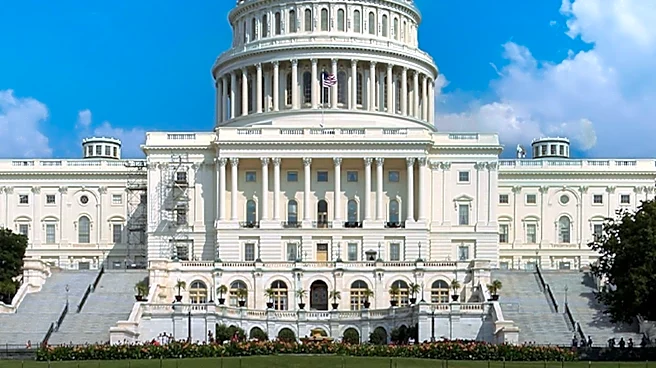

The United States Capitol, a prominent symbol of American democracy, serves as the meeting place for the U.S. Congress and the heart of the legislative branch. Located in Washington, D.C., on Capitol Hill,
its history is marked by significant construction, destruction, and expansion, reflecting the growth and challenges of the nation itself. From its initial design in the late 18th century to its current grandeur, the Capitol has undergone a remarkable transformation, embodying the enduring spirit of the United States.
Early Construction and Initial Design
Construction of the Capitol officially began on September 18, 1793, following a design by William Thornton. However, the building was not fully completed for nearly two decades. The Senate began meeting in the Capitol in 1800, once its wing was finished. The House of Representatives followed suit in 1807, even though its wing was not entirely ready until 1811. In its early form, the Capitol was not as large as it is today, featuring a smaller, wooden dome at its center.
This initial period saw the establishment of the Capitol as the permanent home for the U.S. Congress, a significant step after the Continental Congress had convened in various cities, including Philadelphia, Annapolis, Trenton, and New York City. The move to Washington, D.C., and the construction of a dedicated capitol building, symbolized the young nation's commitment to a stable and centralized government.
Destruction and Rebuilding After the War of 1812
A pivotal moment in the Capitol's history occurred in 1814 during the War of 1812. The British Army set the Capitol on fire, causing significant damage to the structure. This act of destruction necessitated extensive repairs and rebuilding efforts. The period following the war was crucial for the Capitol's restoration and expansion, laying the groundwork for its future form.
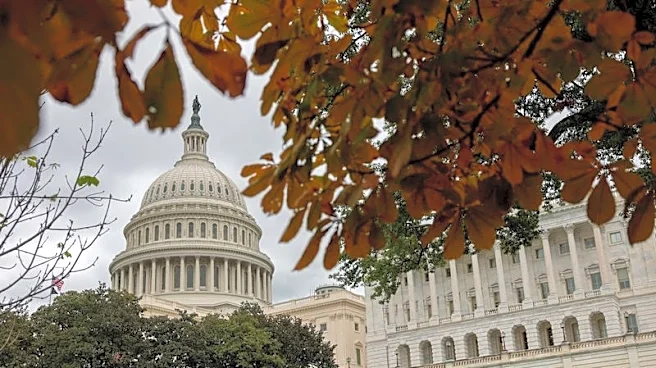
During the 1850s and 1860s, the Capitol underwent comprehensive repairs and significant enhancements. A major change during this time was the replacement of the original smaller, wooden dome with a much larger iron dome. This new dome, constructed between 1855 and 1866, is a massive structure made of cast-iron, weighing 8,909,200 pounds (4,009 tonnes) and featuring 108 windows. The interior of the Capitol also saw artistic additions, with murals depicting American history painted on the walls of the Senate wing and a large fresco added to the ceiling of the rotunda.
Expansion and the Capitol Complex
As the nation grew, so did the need for more space for its government. The Capitol, initially designed to house not only Congress but also the Library of Congress, the Supreme Court, and other offices, eventually became too small. The Supreme Court, for instance, met in the Capitol until its own building was completed in 1935. This expansion led to the development of the broader United States Capitol Complex, a group of buildings and facilities managed by the Architect of the Capitol.
By 1892, the Capitol building itself had largely reached its present size and appearance, with further extensions in the mid-20th century. The creation of separate office buildings for the House and Senate in the early 20th century, such as the Cannon House Office Building and Russell Senate Office Building, marked a new era. These buildings, along with others like the Library of Congress and the Supreme Court building, formed the extensive complex that supports the legislative and judicial branches of the U.S. government today, all stemming from the original Capitol building.