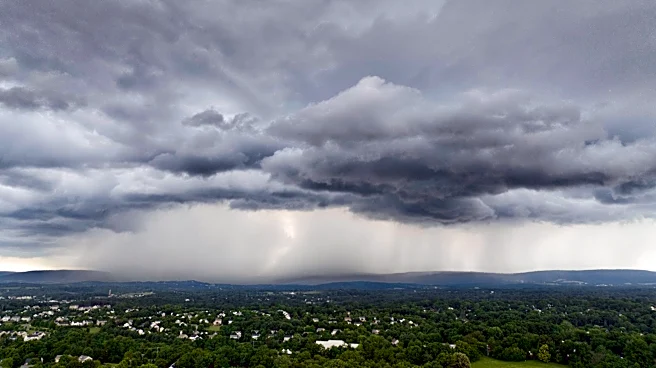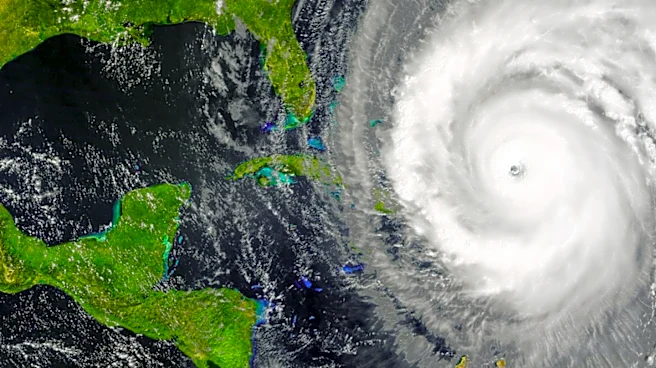






In September 2021, the remnants of Hurricane Ida, after making landfall in Louisiana, brought a devastating and unexpected turn of events to New York State. While the storm had weakened significantly by the time it reached the Northeast, it still packed enough punch to cause widespread destruction, primarily through torrential rainfall and subsequent severe flooding. This event underscored the vulnerability of the region to tropical systems, even those
that have traveled hundreds of miles inland. The total economic impact of Hurricane Ida across the nation was estimated to be over $20 billion, with New York State contributing significantly to this figure.
Widespread Flooding and a Rare Tornado Event
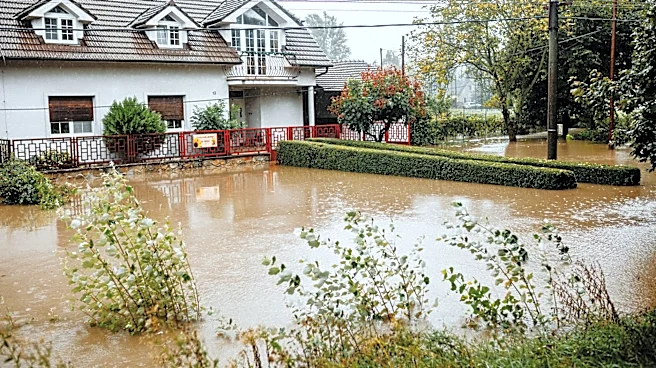
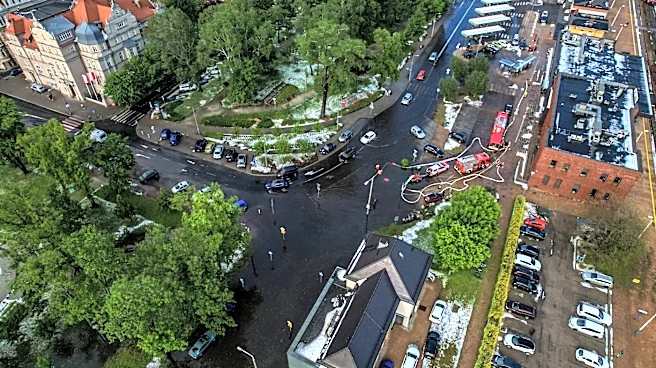
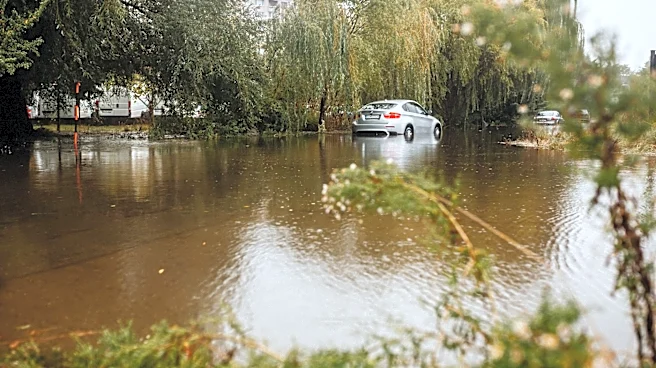
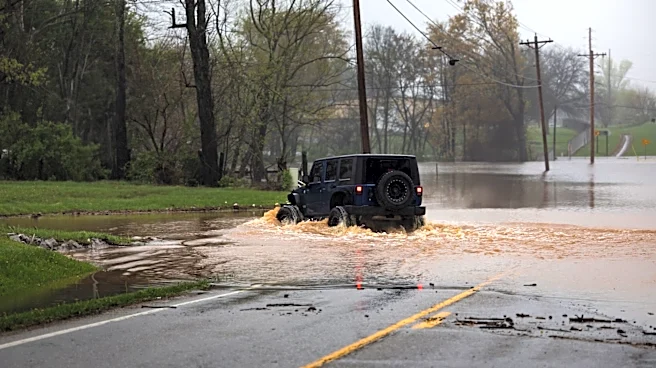
The most prominent effect of Hurricane Ida in New York State was the extensive flooding, particularly in New York City. The storm delivered record-breaking amounts of rain, overwhelming urban drainage systems and leading to flash floods that inundated streets, basements, and subway lines. This widespread flooding caused immense property damage and tragically resulted in numerous fatalities, many of which occurred in basement apartments where residents were trapped by rapidly rising waters. The sheer volume and intensity of the rainfall were unprecedented for many areas, highlighting a critical challenge for urban infrastructure.
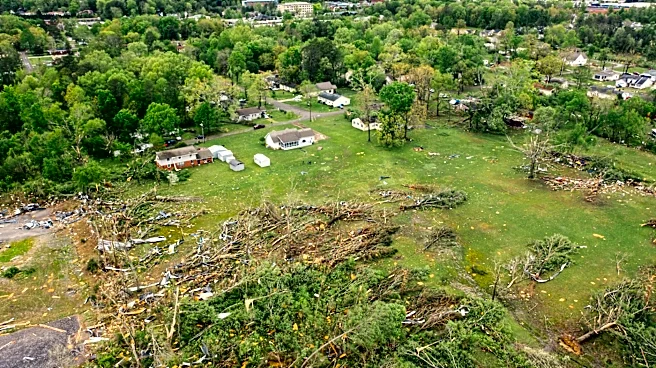
Adding to the chaos, the remnants of Hurricane Ida also spawned at least one tornado in New York State. While tornadoes are not unheard of in the region, their occurrence in conjunction with a post-tropical cyclone of this magnitude is a stark reminder of the diverse threats posed by such weather systems. Tornadoes can cause localized but intense damage, tearing through structures and uprooting trees, adding another layer of destruction to an already severe flooding event. This combination of hazards made Ida a particularly complex and dangerous storm for the state.
Economic and Social Repercussions
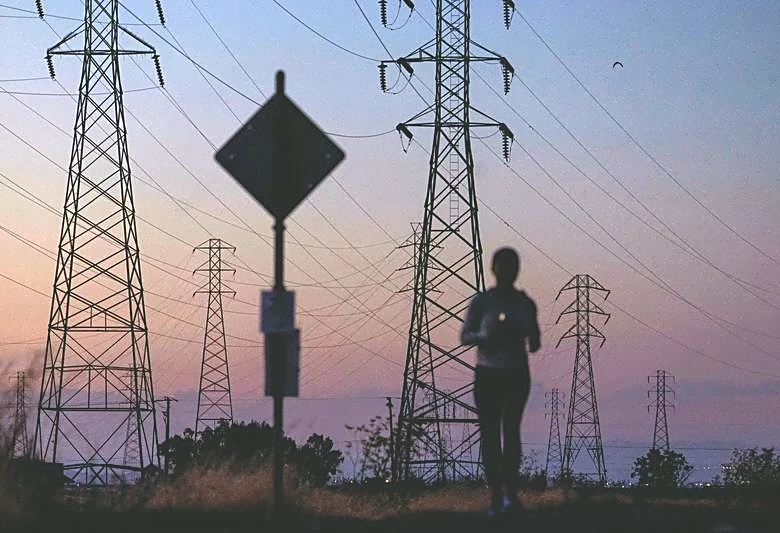
The economic repercussions of Hurricane Ida in New York State were substantial. Beyond the immediate costs of emergency response and rescue operations, the damage to homes, businesses, and public infrastructure amounted to significant financial losses. Property owners faced extensive repair bills, and many businesses experienced disruptions or closures due to flooding and power outages. The long-term economic recovery efforts for affected communities were considerable, requiring resources for rebuilding and mitigation against future events.
Socially, the storm caused widespread disruption and distress. Thousands of residents were displaced from their homes, either temporarily or permanently, due to flood damage. The loss of life was a profound tragedy, impacting families and communities across the state. The event also exposed disparities in vulnerability, with lower-income communities and those living in basement dwellings often bearing the brunt of the storm's impact. The aftermath of Ida prompted a critical examination of urban planning, emergency preparedness, and the need for more resilient infrastructure to protect New York State residents from the increasing threats of extreme weather.