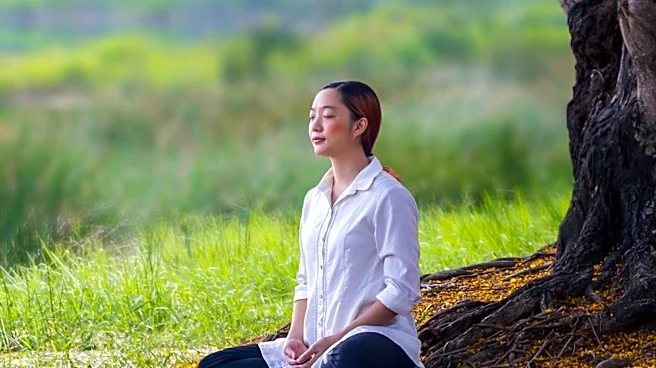

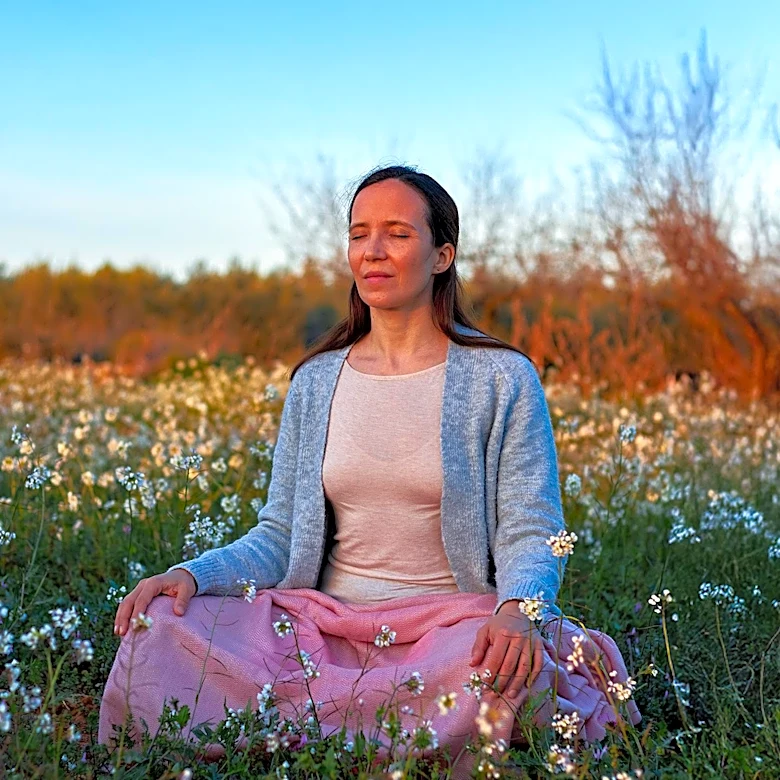





Meditation is a practice that has been intertwined with human history for thousands of years. Its origins are deeply rooted in various religious and cultural traditions, each contributing to the diverse practices we see today. This article delves into the historical development of meditation, highlighting its evolution across different cultures and religions.
Early References in Ancient Texts
The earliest references to meditation can be traced back to the Upanishads of India, which
are ancient texts that form the philosophical basis of Hinduism. These texts describe meditation as a means to perceive the self within oneself, a concept that has influenced many spiritual practices. The Mahabharata, including the Bhagavad Gita, also contains clear references to meditation, emphasizing its importance in achieving spiritual insight and liberation.
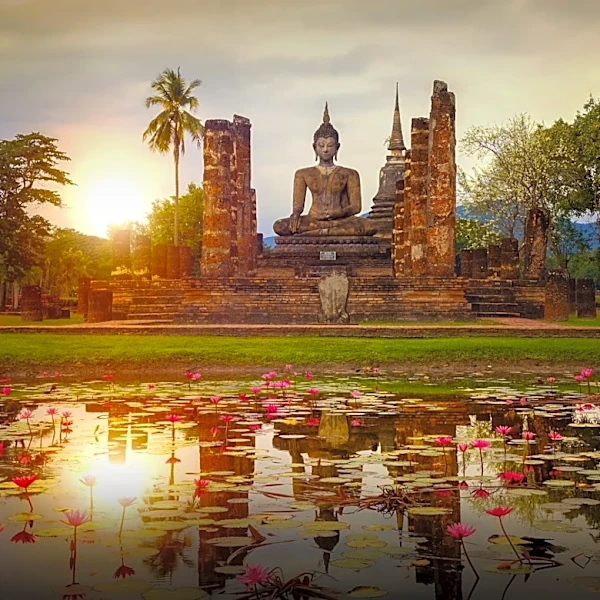
In Buddhism, meditation is a central practice, with the Buddha himself identifying two key mental qualities that arise from meditation: samatha (calmness) and vipassana (insight). These qualities are cultivated through practices that focus on serenity and the development of wisdom, allowing practitioners to see the true nature of phenomena and achieve liberation from suffering.
Meditation in Eastern Traditions
In addition to Hinduism and Buddhism, other Eastern traditions have also contributed to the development of meditation practices. Jainism, for example, employs various meditation techniques aimed at achieving a pure state of consciousness. These techniques include focusing on mantras and contemplating the vastness of the universe, which help practitioners remain grounded in the awareness of their soul's pure nature.
Taoism, another influential Eastern tradition, has developed meditation techniques that include concentration, visualization, and qi cultivation. These practices aim to merge the practitioner with the Dao, the fundamental nature of the universe, and are believed to result in health, longevity, and even immortality.
The Spread of Meditation to the West
As meditation practices evolved in the East, they eventually spread to the West, where they were adapted and integrated into various cultural and religious contexts. In the 20th century, meditation gained popularity in the West as a secular practice for self-development and stress reduction. This shift was facilitated by the global propagation of meditation techniques, often supported by scientific endorsements and celebrity endorsements.
Today, meditation is practiced worldwide, transcending its religious origins to become a tool for personal growth and well-being. Its historical roots, however, remain a testament to the rich cultural and spiritual heritage that continues to shape meditation practices across the globe.