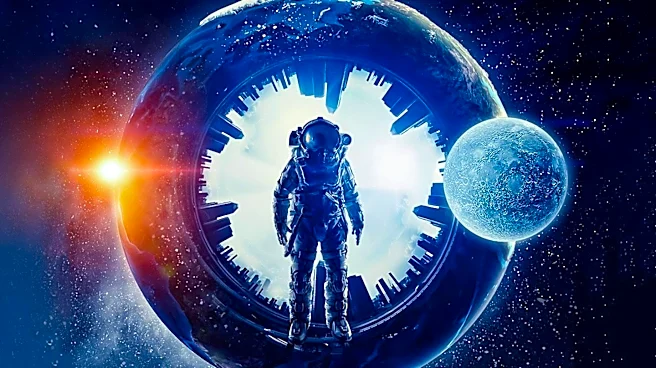










Speculative fiction is a captivating genre that invites readers to explore worlds beyond the ordinary. It encompasses a wide range of subgenres, each offering unique perspectives and imaginative possibilities. This article delves into the defining characteristics of speculative fiction and highlights some of its most popular subgenres.
Defining Characteristics
At its core, speculative fiction is characterized by its departure from realism. Unlike realistic fiction, which adheres
closely to plausible depictions of the real world, speculative fiction embraces the fantastical and the extraordinary. It presents scenarios that challenge the boundaries of reality, often incorporating elements of the supernatural, futuristic technology, or alternate histories.
The genre's appeal lies in its ability to transport readers to imaginative realms where the laws of nature may not apply. This freedom allows authors to explore complex themes and ideas, using speculative settings as a backdrop for social commentary and philosophical inquiry. Whether through the lens of science fiction, fantasy, or horror, speculative fiction encourages readers to question the nature of reality and consider the possibilities of the unknown.
Popular Subgenres
Speculative fiction is a diverse genre with numerous subgenres, each offering its own unique take on the fantastical. Science fiction, one of the most well-known subgenres, often focuses on futuristic or technological themes. It explores the impact of scientific advancements on society and the human condition, imagining worlds where space travel, artificial intelligence, and time travel are possible.
Fantasy, another prominent subgenre, is characterized by its use of magic and mythical creatures. It often takes place in imaginary worlds where heroes embark on epic quests and battle against dark forces. Fantasy allows for the exploration of themes such as good versus evil, destiny, and the power of imagination.
The Role of Speculative Fiction
Speculative fiction serves as a powerful tool for exploring the human experience and addressing contemporary issues. By presenting alternative realities, the genre encourages readers to reflect on their own world and consider the implications of their actions. It offers a safe space to explore complex topics such as identity, morality, and the consequences of technological progress.
As speculative fiction continues to evolve, it remains a vital and dynamic genre that captivates audiences with its boundless creativity and thought-provoking narratives. Whether through the lens of science fiction, fantasy, or any of its other subgenres, speculative fiction invites readers to embark on journeys of imagination and discovery.