



The death of Babe Ruth on August 16, 1948, marked the end of an era and prompted an outpouring of national grief. As one of America's most beloved sports figures, his passing was not a private affair but a public spectacle of mourning, reflecting his immense cultural impact. From the solemn viewing at Yankee Stadium to the grand funeral procession through New York City, the farewell to Babe Ruth was a testament to his enduring legacy and the deep
affection the public held for him.
Public Tributes at Yankee Stadium
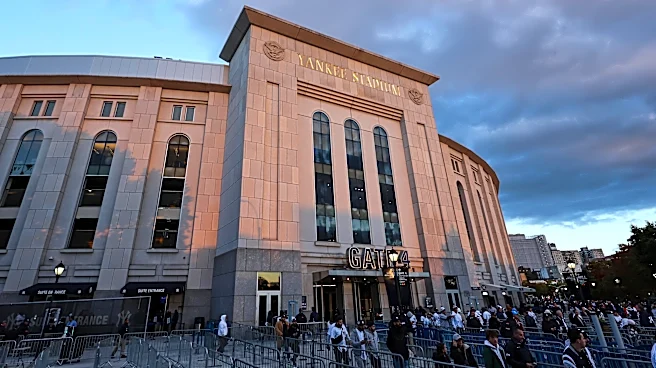
Following his death, Babe Ruth's body was brought to Yankee Stadium, a place synonymous with his legendary career. Here, his body lay in state, allowing the public to pay their final respects to the baseball icon. The response from the public was overwhelming, with an estimated 100,000 fans making their way to the stadium to honor the man who had built "the House that Ruth Built." This massive turnout underscored the profound connection Ruth had forged with the American people throughout his life and career.
The opportunity for fans to say goodbye at Yankee Stadium was a significant moment, symbolizing the collective loss felt across the nation. It was a chance for ordinary Americans to directly participate in the mourning process for a figure who had transcended the sport of baseball to become a cultural phenomenon. The sheer volume of people who came to the stadium demonstrated that Ruth remained a major figure in American culture, even in death.
The Solemn Procession to St. Patrick's Cathedral
After the public viewing at Yankee Stadium, the solemn journey continued to St. Patrick's Cathedral in New York City for a requiem service. The magnitude of public mourning did not diminish, as police estimated that approximately 80,000 people gathered outside the cathedral. These crowds stood in silent tribute as Ruth's cortege arrived, awaiting the service that would be delivered by Cardinal Francis Spellman.
The presence of such a vast crowd outside one of New York City's most iconic religious landmarks highlighted the widespread reverence for Babe Ruth. It was a moment of collective remembrance, uniting people from all walks of life in shared grief. The religious ceremony provided a formal and dignified farewell, reflecting the respect and honor bestowed upon a man who had captured the hearts of millions.
The Final Journey to Rest
Following the requiem at St. Patrick's Cathedral, the final procession for Babe Ruth commenced, leading to his burial place. An estimated 100,000 people lined the extensive 30-mile (48 km) route from the cathedral to the Gate of Heaven Cemetery in Hawthorne, New York. This lengthy procession, witnessed by countless mourners, served as a final, grand public tribute to the baseball legend.
The sheer scale of the public's participation in every stage of Ruth's farewell, from Yankee Stadium to the cemetery, solidified his status as an enduring American icon. His death, though a personal tragedy for his family, became a national event, demonstrating how deeply he was woven into the fabric of American society. The collective mourning and the massive public turnout underscored that Babe Ruth's impact extended far beyond the baseball diamond, cementing his place in history as a figure of immense cultural significance.