




The trap bar, also widely known as the hex bar, stands as a distinctive implement in the realm of weight training. Its unique design allows lifters to stand inside its hexagonal or diamond-shaped frame, offering a different biomechanical approach to various exercises compared to a traditional barbell. This specialized piece of equipment was originally conceived by competitive powerlifter Al Gerard, who also patented and trademarked his invention.
While often associated with training the trapezius muscles through shrugs, its utility extends far beyond, making it a versatile tool for a comprehensive strength regimen.
Anatomy and Design of the Trap Bar
The trap bar is an assemblage of bent bars welded into a shape that lies flat in a plane. Its core component is a barstock welded into either a hexagonal or diamond shape, specifically sized to allow a person to stand comfortably in the middle. This central hollow portion is crucial to its function, differentiating it from a straight barbell. Welded to the outside perimeter of this hollow section are two coaxial stub bars, which are used for loading weight plates. These stubs are positioned to ensure balanced weight distribution around the lifter.Inside the hollow portion, a set of handles is welded, pointing forward and back. These handles are what the lifter grips during an exercise. Notably, these handles are aligned at a 90-degree angle to the plate-loading bars, which contributes to the neutral grip often employed with the trap bar. Many trap bars also feature two pairs of handles: one pair projects upwards in a squared D shape, while another pair is level with the main bar. This design allows the bar to be flipped over, making either pair more accessible and providing a choice of two different grip heights to begin a lift, catering to individual preferences or exercise requirements.
Beyond the Shrug: Diverse Applications
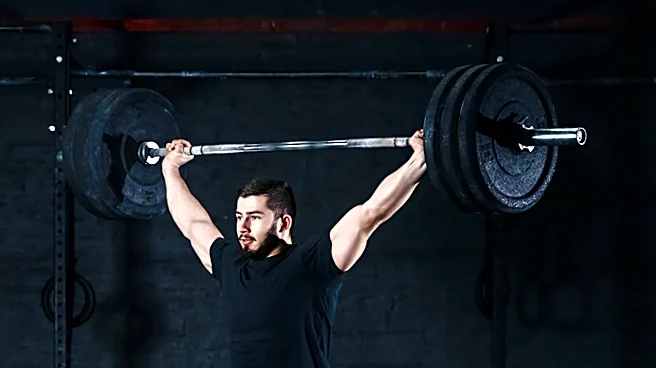
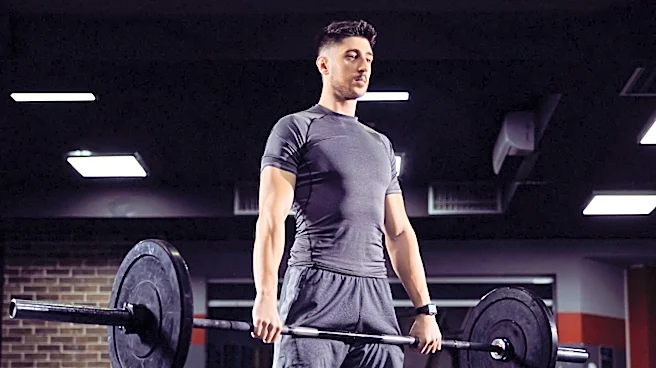
While the trap bar was initially designed with shoulder shrugs in mind, aiming to target the trapezius muscles, its application has broadened significantly over time. One of its most prominent uses is for the trap bar deadlift, a variation of the traditional deadlift that can be less taxing on the lower back due to the lifter's central position within the bar and the neutral grip. This altered range of motion and grip can also allow for greater power generation compared to conventional deadlifts or squats.In addition to deadlifts and shrugs, the trap bar is employed for a variety of other strength and power exercises. These include trap bar jumps, which are a form of ballistic training where an athlete jumps while holding the bar to maximize acceleration. It is also used for overhead or military presses, upright rows (sometimes called "high pulls"), and stiff-leg deadlifts. The versatility of the trap bar has even led to its inclusion in standardized fitness assessments, such as the hex bar deadlift being used in the US Army Fitness Test, underscoring its recognized benefits in functional strength and power development.