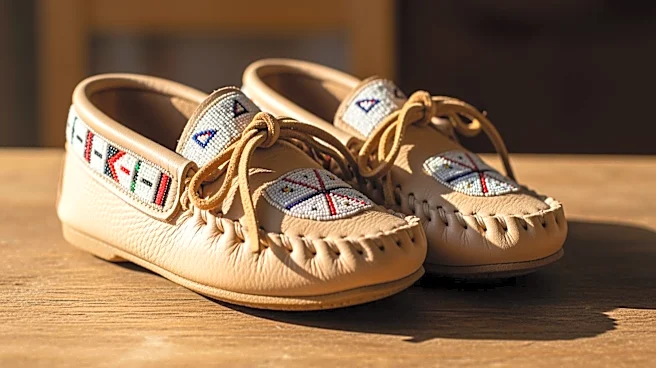











Moccasins are more than just a type of footwear; they are a symbol of Native American heritage and craftsmanship. These shoes, made from soft leather, have been a staple in indigenous cultures across North America for centuries. This article delves into the cultural and symbolic significance of moccasins, exploring their role in Native American traditions and their continued relevance today.
The Craftsmanship Behind Traditional Moccasins
The creation of moccasins is a testament to the skill and
artistry of Native American artisans. Traditionally made from deerskin or other soft leathers, moccasins feature a sole and sides crafted from a single piece of leather, stitched together at the top. This design not only provides comfort and flexibility but also allows for intricate decoration.
Embroidery and beading are common embellishments on moccasins, with each design carrying cultural and symbolic meanings. These decorations often reflect the identity and heritage of the wearer, showcasing tribal affiliations, personal achievements, or spiritual beliefs. The craftsmanship involved in making moccasins is passed down through generations, preserving traditional techniques and cultural knowledge.
Moccasins in Cultural Ceremonies and Traditions
Moccasins hold a special place in Native American cultural ceremonies and traditions. They are often worn during powwows, which are gatherings that celebrate indigenous culture through dance, music, and storytelling. During these events, moccasins complement traditional regalia, adding to the visual and cultural richness of the occasion.
In addition to powwows, moccasins are worn in various rites of passage and spiritual ceremonies. They symbolize a connection to the earth and the natural world, embodying the values of respect and harmony with nature. The act of making and wearing moccasins is a way for individuals to honor their ancestors and maintain a link to their cultural roots.
The Enduring Legacy of Moccasins
Despite the passage of time, moccasins remain a vital part of Native American culture. They continue to be crafted and worn by indigenous people, serving as a reminder of their rich heritage and resilience. Moccasins also hold a place in the broader cultural landscape, appreciated for their beauty and historical significance.
As symbols of identity and tradition, moccasins represent the enduring legacy of Native American cultures. They are a testament to the creativity and adaptability of indigenous peoples, who have preserved their traditions while embracing modern influences. Through moccasins, the stories and values of Native American communities continue to be shared and celebrated.