





Adaptive cruise control (ACC) has transformed the driving experience by automating speed adjustments to maintain safe distances between vehicles. This technology, first introduced in the 1990s, has evolved significantly over the years, incorporating advanced sensors and systems to enhance its functionality. In this article, we will explore the historical development of ACC, highlighting key technological advancements that have shaped its evolution.
Early Beginnings and Technological Advancements
The journey of adaptive cruise control began in the 1990s with the introduction of laser-based systems. These early systems were limited in their capabilities, primarily due to the constraints of laser technology. However, they laid the groundwork for future developments by demonstrating the potential of automated speed control in vehicles. As technology advanced, radar and camera-based systems emerged, offering improved accuracy and functionality.
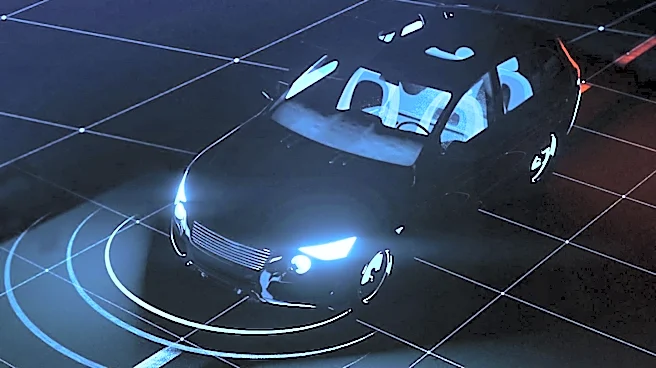
Radar-based systems became the most common form of ACC, utilizing radio waves to measure the distance and speed of vehicles ahead. These systems provided a wider field of view and greater accuracy, allowing for more reliable performance in various driving conditions. Camera-based systems, on the other hand, used computer vision to detect and track vehicles, offering additional visual context for object classification and scene interpretation.
Full Speed Range and Stop-and-Go Capabilities
One of the significant milestones in the evolution of ACC was the development of full speed range systems capable of operating in stop-and-go traffic. These systems allowed vehicles to automatically follow traffic, adjusting speed and even coming to a complete stop when necessary. This advancement significantly enhanced the convenience and safety of ACC, especially in urban environments with frequent traffic congestion.
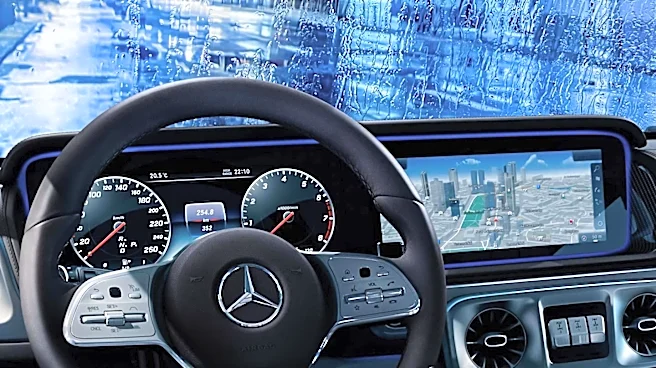
The integration of predictive adaptive cruise control (PACC) further expanded the capabilities of ACC systems. PACC utilized navigation and map data to anticipate roadway features, adjusting speed proactively rather than reactively. This predictive approach improved the overall driving experience by reducing speed before reaching lower speed zones or approaching curves, enhancing both safety and comfort.
Regulatory Standards and Future Directions
Adaptive cruise control systems are regulated by standards such as ISO 15622:2018, which establish minimum functional requirements and test procedures. These regulations ensure that ACC systems operate safely and effectively, providing partial automation of longitudinal vehicle control. As technology continues to advance, ACC systems are expected to play an increasingly significant role in vehicle automation.
Looking ahead, the integration of vehicle-to-vehicle communication and cooperative adaptive cruise control promises to further enhance the stability and efficiency of ACC systems. By enabling communication between vehicles, these systems can optimize traffic flow and improve safety, paving the way for more advanced autonomous driving technologies.