



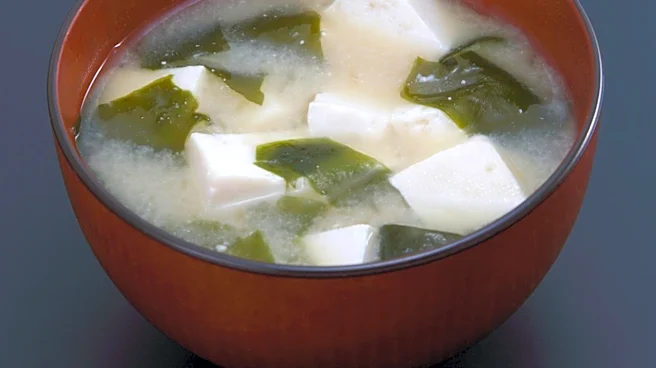
Miso soup is a quintessential part of Japanese cuisine, known for its rich flavors and nutritional benefits. The soup's primary components, miso paste and dashi stock, are complemented by a variety of optional ingredients that can vary by region and season. Understanding these ingredients provides insight into the versatility and depth of this traditional dish.
The Foundation: Miso Paste
Miso paste is the cornerstone of miso soup, defining much of its character and flavor. This
Japanese seasoning is made by fermenting soybeans with salt and the fungus Aspergillus oryzae, sometimes incorporating rice, barley, or other ingredients. Miso can be categorized into three main types: red (akamiso), white (shiromiso), and mixed (awase).
The fermentation time of miso affects its flavor profile. White miso, with a shorter fermentation period, offers a lighter, sweeter taste, while red miso, fermented longer, provides a stronger, deeper flavor. Regional variations, such as Shinshū miso or Sendai miso, further diversify the taste and texture of the paste, allowing for a wide range of culinary applications.
The Base: Dashi Stock
Dashi stock is the liquid base of miso soup, traditionally made from ingredients like niboshi (dried baby sardines), kombu (dried kelp), katsuobushi (fermented, dried, and smoked bonito), or hoshi-shiitake (dried shiitake mushrooms). These ingredients impart a savory umami flavor that complements the miso paste.
For those seeking a vegetarian option, kombu or shiitake dashi can be used. Outside Japan, variations of miso soup might use Western-style vegetable or chicken stocks, though there is debate about whether these non-traditional bases constitute true miso soup.
Optional Ingredients and Variations
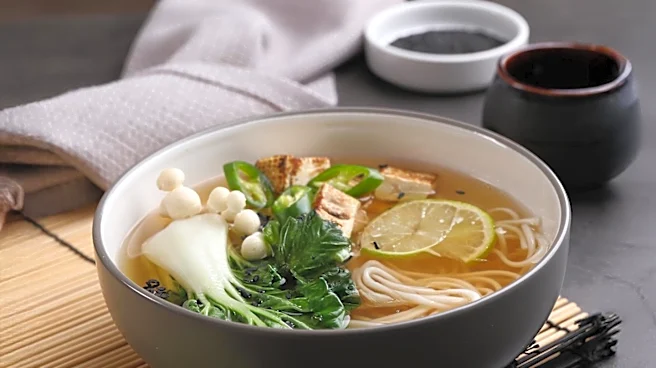
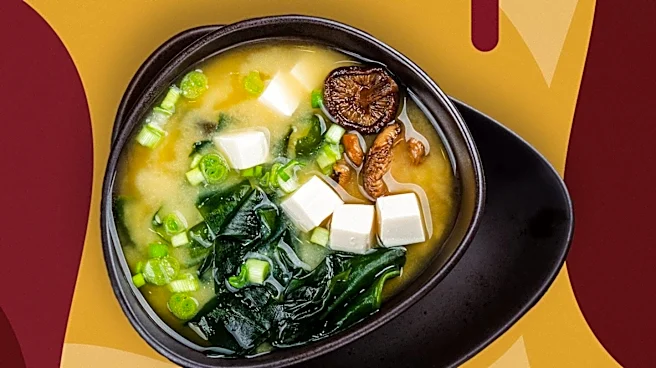
Miso soup's adaptability is evident in the variety of optional ingredients that can be added. Common additions include tofu, wakame seaweed, negi (green onions), and mushrooms. Ingredients are often chosen to reflect the seasons, with lighter ingredients like cabbage and eggplant used in spring and summer, and heartier options like potatoes and deep-fried tofu in fall and winter.
The combination of floating ingredients, such as seaweed, and sinking ones, like potatoes, adds visual and textural contrast to the soup. This balance of flavors and textures is a hallmark of Japanese culinary philosophy, emphasizing harmony and seasonality in every dish.