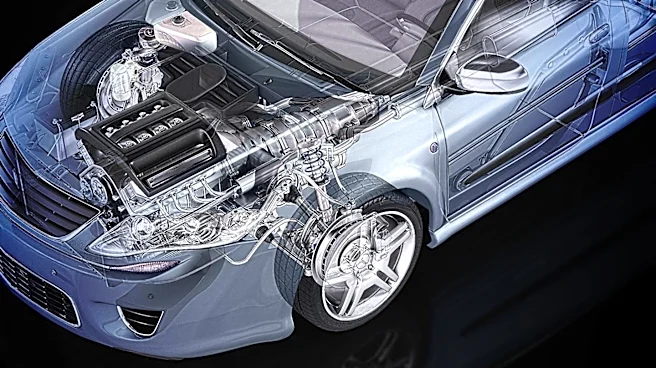




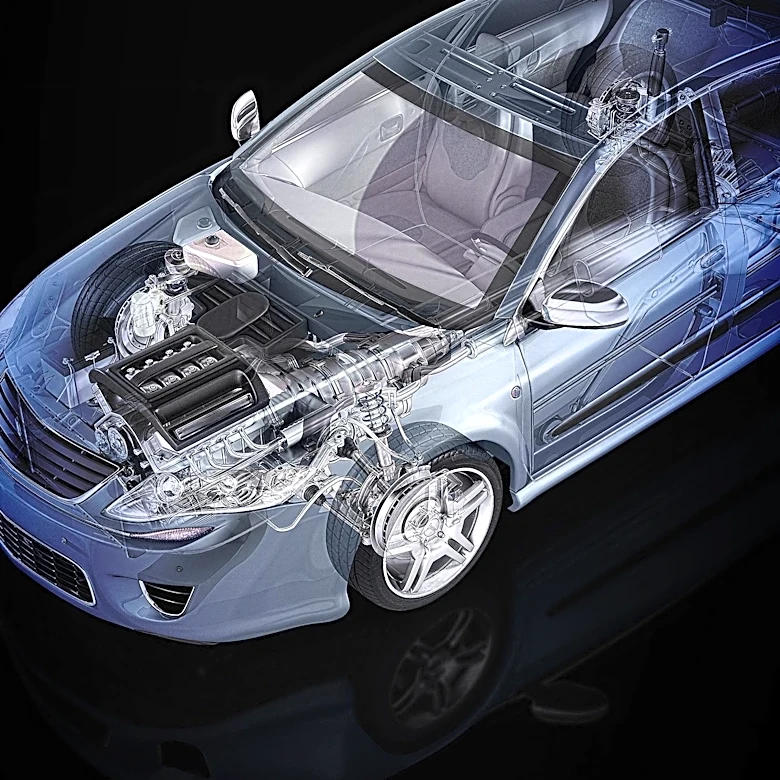


In the world of automotive design, the term 'header' can refer to two distinct components, each playing a crucial role in the vehicle's functionality. On one hand, a header is the structural roof beam located above the windshield, providing essential support to the vehicle's frame. On the other hand, it also refers to a section of exhaust piping attached to the cylinder head, which is integral to optimizing engine performance. This article delves
into these dual roles, highlighting their importance in vehicle design and performance.
The Structural Header: Supporting the Vehicle's Frame
The structural header, positioned above the windshield, is a critical component in the vehicle's architecture. This roof beam is not just a part of the car's aesthetic design but serves a fundamental purpose in maintaining the integrity of the vehicle's structure. By connecting the roof to the body, the header ensures that the vehicle can withstand various stresses and strains encountered during driving.
In addition to its structural role, the header contributes to the overall safety of the vehicle. In the event of a collision, the header helps to distribute the impact forces, reducing the risk of deformation and enhancing the protection of the occupants. This makes the header an indispensable part of the vehicle's safety features, underscoring its importance beyond mere structural support.
Exhaust Headers: Enhancing Engine Performance
Exhaust headers, on the other hand, are designed to improve engine performance by optimizing the flow of exhaust gases. Attached to the cylinder head, these headers replace the standard exhaust manifold, offering a more efficient pathway for exhaust gases to exit the engine. This efficiency is achieved through a design that reduces back pressure, allowing the engine to breathe more freely.
By facilitating a smoother flow of exhaust gases, headers can enhance the engine's power output and fuel efficiency. This is particularly beneficial for performance-oriented vehicles, where maximizing engine output is a priority. As a result, exhaust headers are often sought after in the aftermarket, where enthusiasts look to boost their vehicle's performance.
The Aftermarket Appeal of Headers
The dual role of headers in automotive design makes them a popular choice in the aftermarket industry. For those looking to enhance their vehicle's performance, aftermarket exhaust headers offer a tangible improvement in power and efficiency. These components are designed to fit a wide range of vehicles, providing enthusiasts with the opportunity to customize their cars to meet specific performance goals.
Moreover, the structural header's role in safety and integrity makes it a key consideration in vehicle modifications. Ensuring that any changes to the vehicle's design do not compromise the structural header is crucial for maintaining safety standards. Thus, headers, whether structural or exhaust, play a vital role in both the design and performance of vehicles, making them a focal point for automotive enthusiasts and engineers alike.