


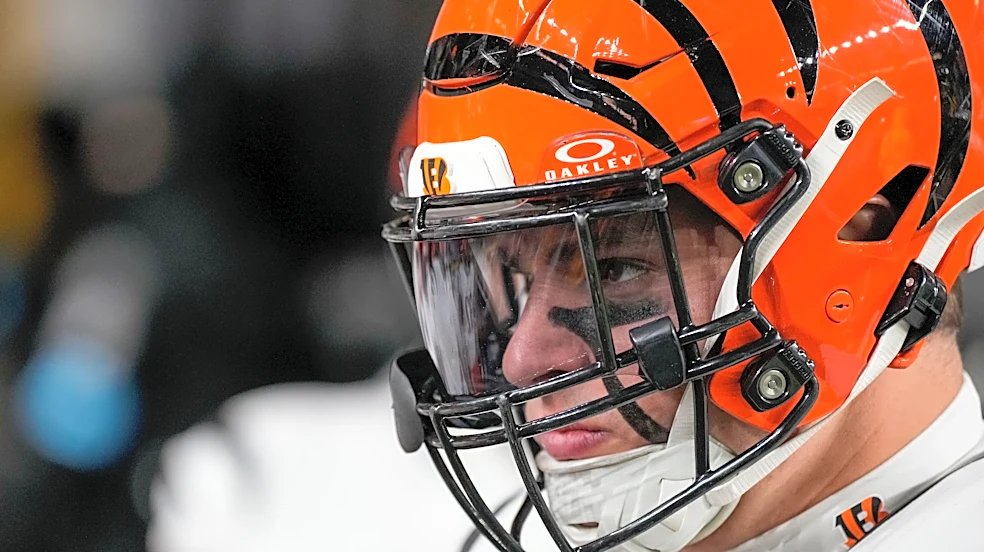

The 1972 World Series presented a compelling matchup between two teams that would define Major League Baseball in the 1970s: the Cincinnati Reds and the Oakland Athletics. This series was not just a battle for the championship but also a clash of distinct team philosophies and appearances. The Athletics, under iconoclastic owner Charlie Finley, were known for their "Swingin' A's" persona, featuring day-glo uniforms, white shoes, facial hair, colorful
nicknames, and explosive personalities. In stark contrast, the Reds, dubbed "The Big Red Machine," represented a more traditional franchise with a classic look, including a strict facial-hair ban, and boasted an everyday lineup that included three future Hall of Famers and the all-time hits king, Pete Rose. This cultural divide led the series to be famously dubbed "The Hairs vs. the Squares."
Statistical Parity and Close Contests
Despite their differing styles, the two teams were remarkably similar in their statistical performance during the series. Both the Athletics and the Reds accumulated 46 hits, resulting in an identical .209 batting average for each club. This combined batting average was noted as the lowest recorded in a seven-game World Series, underscoring the tight pitching and defensive battles that characterized the matchup. While the Reds managed to outscore the Athletics by a margin of 21–16 over the course of the series, a significant detail was that all four of Cincinnati's losses were decided by a single run. This highlights the incredibly close nature of the games.
Indeed, six of the seven games in the series were decided by just one run, making the 1972 World Series arguably one of the most closely contested in baseball history. This consistent nail-biting tension kept fans on the edge of their seats throughout the championship. The tight scores also reflected the effectiveness of both teams' pitching staffs and the difficulty hitters faced in generating offense.
Key Players and Unexpected Heroes
The series saw some of the Reds' star hitters struggle against Oakland's stellar pitching. Johnny Bench, who had an impressive regular season with a .270 average, 40 home runs, and 125 RBIs, and was the National League MVP, combined with Tony Pérez and Denis Menke for only two home runs and five RBIs across the entire series. While Pérez did lead both teams with 10 hits and a .435 batting average, eight of his ten hits were singles, indicating a lack of power hitting. Furthermore, the Reds' "table-setters," Pete Rose and Joe Morgan, had a combined 1 for 28 performance through the first four games, a period during which Cincinnati lost three of those contests.
On the Athletics' side, they faced a significant challenge with the absence of their star outfielder, Reggie Jackson, who was injured stealing home in the final game of the ALCS. Left-handed reliever Darold Knowles was also out due to a broken thumb. Despite these setbacks, the Athletics found an unexpected hero in catcher Gene Tenace. Tenace had a modest regular season, hitting only .225 with five home runs and 32 RBIs in 82 games. His performance in the AL Championship Series was even worse, going 1 for 17, though his single hit drove in the go-ahead run in Game 5. However, in the World Series, Tenace was spectacular, hitting four home runs, which equaled the World Series record set by legends like Babe Ruth, Lou Gehrig, and Hank Bauer. He also recorded nine RBIs in the series, significantly more than any other Oakland player, and was ultimately voted the World Series MVP for his crucial contributions.