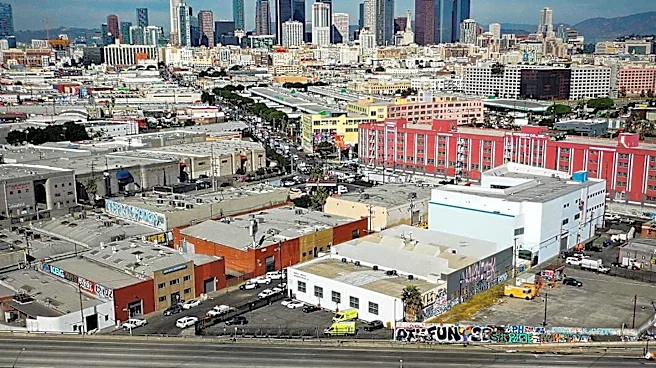



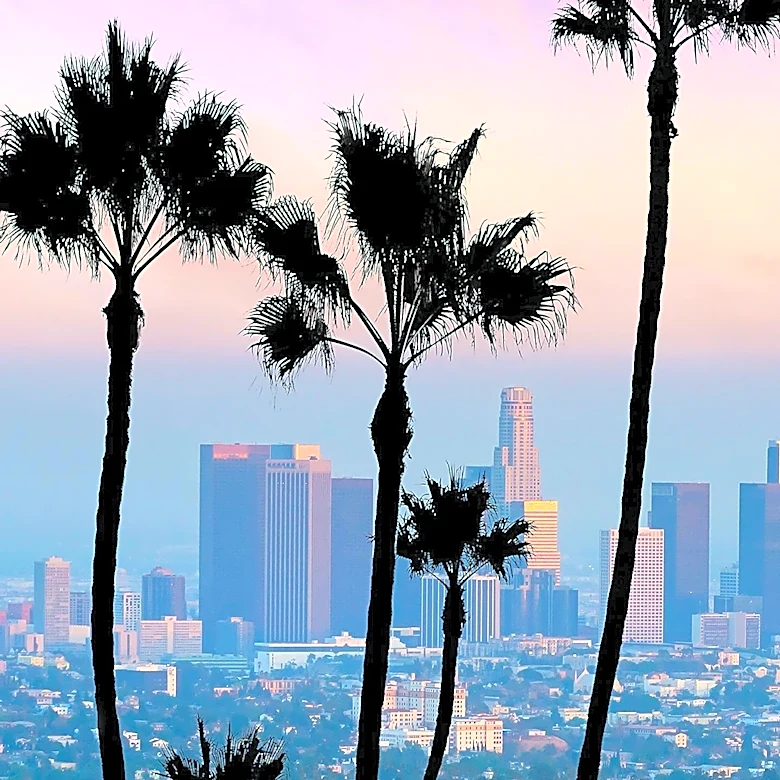
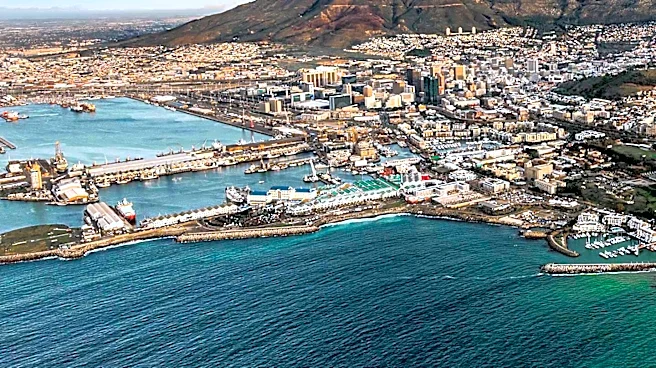


Los Angeles, recognized as the second-largest city in the United States and the most populous in California, often sparks discussions about its true geographical and cultural scope. The very name "Los Angeles" can refer to a multitude of entities, including the city itself, its downtown region, the county, the metropolitan area, and even the broader Greater Los Angeles Area. This ambiguity frequently leads to debates, particularly in contexts like
Wikipedia articles, where precise definitions are crucial. The challenge lies in adequately differentiating between these various interpretations while still capturing the essence of what people generally understand when they refer to "Los Angeles."
Distinguishing City from Region: Airports and Media Markets
One area where the distinction between the city and the broader region becomes particularly contentious is in the discussion of infrastructure and media markets. For instance, the statement that "The Los Angeles metropolitan area is served by more airports than any major city in the world" can be misleading if it doesn't clearly differentiate between airports within city limits and those outside. Ontario Airport, for example, is outside the city limits but is owned by the city of Los Angeles, adding a layer of complexity to the definition of what constitutes a "Los Angeles" facility. The inclusion of such airports without proper clarification can give a false impression that they are within the city itself.
Similarly, the concept of a "Los Angeles media market" often extends beyond the city's municipal boundaries, encompassing areas like Orange County. This broader definition impacts how sports teams are associated with Los Angeles. Debates arise over whether teams like the Los Angeles Angels of Anaheim and the Anaheim Ducks should be included in discussions about Los Angeles sports, given their location outside the city proper. While these teams market themselves to the Los Angeles area and are covered by Los Angeles media outlets, their physical location in Anaheim, a separate city, fuels the argument that they are not truly "Los Angeles" teams. This mirrors discussions about teams like the New Jersey Giants and Jets, which play in New Jersey but are considered New York teams due to their name and market.
Population Figures and the Challenge of Accuracy
The precise population of Los Angeles is another subject of ongoing debate, particularly concerning the use of different data sources. While the U.S. Census Bureau provides official population estimates every ten years, local agencies, such as the California Department of Finance, often release their own figures. These local estimates can sometimes be higher, leading to discrepancies and arguments over which numbers should be presented in public information. The U.S. Census Bureau's methodology, which relies on administrative records like births, deaths, and federal income tax returns, is sometimes criticized for potentially undercounting certain populations, such as undocumented immigrants.
Conversely, the California Department of Finance's methodology attempts to correct for census omissions and geocoding errors, incorporating data from driver's license address changes, medical aid enrollments, and housing unit estimates. This can result in higher population figures, sometimes leading to claims that Los Angeles has surpassed certain population milestones, such as four million residents, even when official U.S. Census data does not yet reflect this. The preference for U.S. Census data in articles about U.S. cities is often cited for consistency across Wikipedia, despite the acknowledged potential for local agencies to provide more up-to-date or comprehensive estimates.
Cultural Identity and the "Los Angeles" Brand
Beyond geographical and demographic definitions, the cultural identity of Los Angeles is also a point of discussion. The city is widely known for its entertainment industry and diverse population, but the scope of what constitutes "Los Angeles culture" can be broad. For example, the city's freeways are legendary, yet discussions about them are sometimes shortchanged in favor of mass transit. The cultural section of articles about Los Angeles has been noted to sometimes lack depth in areas like performing arts, while being extensive in others, such as sports.
The perception of Los Angeles as a "true city" also varies. Some observers, particularly those from more traditionally dense urban centers like New York or Chicago, have historically viewed Los Angeles as a sprawling area with only a small portion resembling a conventional city. However, with ongoing development and the improvement of public transportation, this perception is evolving. The city's unique blend of urban and suburban characteristics, its diverse communities, and its influence on global culture contribute to a complex and multifaceted identity that is constantly being defined and redefined.
The Evolution of the City's Name and Linguistic Diversity
The very name of Los Angeles has been a subject of historical and linguistic interest. While commonly known as "Los Angeles," its original, longer Spanish name, "El Pueblo de Nuestra Señora la Reina de los Ángeles del Río de Porciúncula" (The Town of Our Lady the Queen of the Angels of the Little Portion), is often cited. However, historical research suggests that the official name was simply "El Pueblo de la Reina de Los Ángeles," with the longer version being a more common or derived name from the river. This historical detail highlights the city's Spanish colonial roots and the evolution of its identity.
Furthermore, Los Angeles is recognized for its extraordinary linguistic diversity. While precise numbers can be debated, estimates suggest that hundreds of languages are spoken in Los Angeles County, with publications locally produced in a significant number of these languages. This linguistic richness reflects the city's role as a principal point of entry for new immigrants to the U.S. and contributes to its vibrant, multicultural character. The challenge of accurately quantifying this diversity, given the constant movement of people and the nuances of language definition, underscores the dynamic nature of Los Angeles's population.