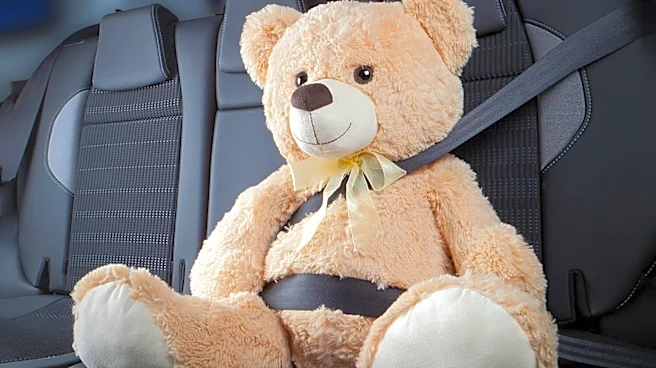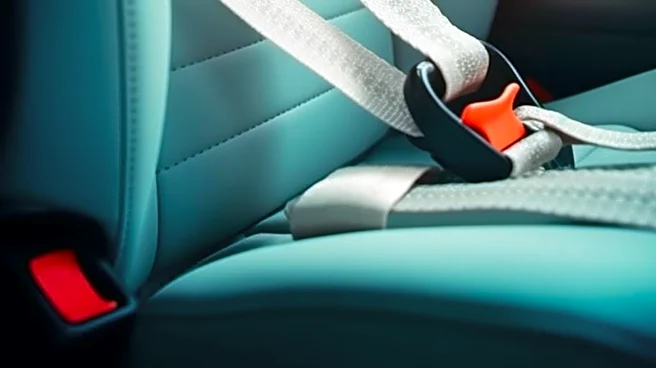








Seat belts have become an essential safety feature in vehicles, significantly reducing fatalities and injuries during collisions. Over the years, seat belt technology has evolved, incorporating new materials and designs to enhance their effectiveness. This article delves into the historical development of seat belts, highlighting key advancements that have shaped their current form.
Early Developments and Adoption
The concept of seat belts dates back to the early 20th century, with
the first recorded use by pilot Benjamin Foulois in 1910. Foulois used a simple strap to remain at the controls during turbulence, marking the beginning of seat belt use in aviation. However, it wasn't until the mid-20th century that seat belts began to gain traction in the automotive industry.
In the 1960s, seat belts became a standard feature in vehicles, driven by increasing awareness of road safety. The introduction of Federal Motor Vehicle Safety Standard 208 in 1968 mandated seat belts in all new cars, marking a significant milestone in automotive safety. This regulation laid the groundwork for further innovations in seat belt technology.
Advancements in Seat Belt Design
As the importance of seat belts became more evident, manufacturers focused on improving their design and functionality. The transition from simple lap belts to three-point seat belts was a major advancement. The three-point design, which secures both the upper and lower body, offered enhanced protection by distributing crash forces more evenly across the body.
Material improvements also played a crucial role in the evolution of seat belts. Early seat belts were made from nylon, which was prone to stretching and wear. Modern seat belts use polyester, known for its high tensile strength and resistance to UV damage. This change in material has significantly increased the durability and reliability of seat belts.
Modern Innovations and Future Prospects
In recent years, seat belt technology has continued to evolve with the introduction of advanced features. Automated seat belt reminders and interlock systems have been implemented to encourage seat belt use. These systems alert drivers and passengers to fasten their seat belts, contributing to higher compliance rates.
Looking ahead, research and development efforts are focused on further enhancing seat belt safety. Experimental designs, such as criss-cross and 3+2 point seat belts, aim to provide better protection in rollovers and side impacts. As technology advances, seat belts will likely continue to evolve, offering even greater safety for vehicle occupants.
The journey of seat belt technology reflects a commitment to improving road safety. From simple straps to sophisticated restraint systems, seat belts have come a long way, saving countless lives and reducing injuries on the road.