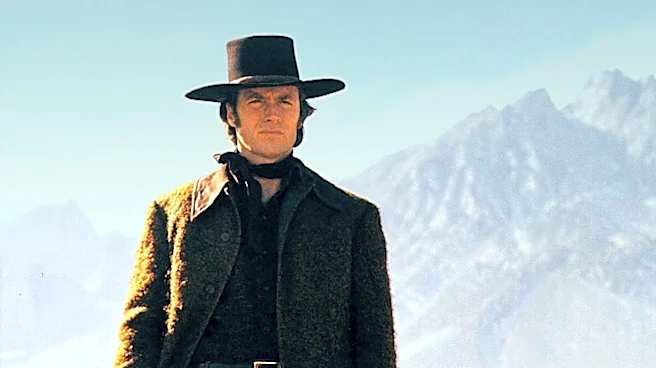



'High Noon' is a classic Western film that tells the story of Marshal Will Kane, who faces a moral and existential crisis on his last day in office. Directed by Fred Zinnemann and released in 1952, the film is renowned for its real-time narrative and exploration of themes such as duty, courage, and isolation. This article delves into the plot and the underlying themes that make 'High Noon' a timeless piece of cinema.
The Plot Unfolds
Set in the small town of Hadleyville,
New Mexico Territory, 'High Noon' begins with Marshal Will Kane, played by Gary Cooper, preparing to retire and leave town with his new wife, Amy. However, their plans are disrupted when Kane learns that Frank Miller, a notorious outlaw he once sent to prison, has been released and is arriving on the noon train to seek revenge.
Despite Amy's pleas to leave, Kane feels compelled to stay and confront Miller. As he seeks help from the townspeople, he is met with fear and indifference. His deputy resigns, and even the judge who sentenced Miller flees. Kane's isolation grows as the clock ticks towards noon, highlighting his internal struggle between duty and self-preservation.
Themes of Duty and Isolation
One of the central themes of 'High Noon' is the concept of duty. Kane's unwavering commitment to his role as marshal, despite the lack of support from the townspeople, underscores the film's exploration of personal responsibility. His decision to stay and face Miller alone reflects a deep sense of duty that transcends personal safety.
The film also explores the theme of isolation. As Kane walks the deserted streets of Hadleyville, the visual imagery reinforces his solitude. The townspeople's refusal to stand by him serves as a commentary on societal cowardice and self-interest. This isolation is further emphasized by the real-time narrative, which heightens the tension and urgency of Kane's predicament.
A Moral and Emotional Conflict
'High Noon' is not just a story of good versus evil; it is a tale of moral and emotional conflict. Kane's struggle is not only with the impending threat of Miller but also with his own conscience. The film challenges viewers to consider the complexities of courage and integrity in the face of adversity.
The film's ending, where Kane triumphs over Miller but discards his marshal's badge, leaves a lasting impression. It symbolizes his disillusionment with the townspeople and the burden of his role. 'High Noon' remains a powerful exploration of the human condition, resonating with audiences through its timeless themes and compelling narrative.