


Fred Merkle, born Carl Frederick Rudolf Merkle in 1888, was an American first baseman in Major League Baseball whose career spanned from 1907 to 1926. Despite a lengthy professional baseball career, he is predominantly remembered for a controversial base-running mistake he made as a rookie in 1908, which became known as "Merkle's Boner." This single play earned him the lifelong nickname "Bonehead" and significantly overshadowed his other achievements
in the sport. Merkle's story is a poignant example of how one moment can define a public figure, even decades after the event.
The Infamous Play and Its Immediate Aftermath
On September 23, 1908, at just 19 years old, Merkle was the youngest player in the National League when he committed the error while playing for the New York Giants against the Chicago Cubs. In the bottom of the ninth inning, with two outs and the score tied 1-1, Merkle singled, advancing Moose McCormick to third base. The next batter, Al Bridwell, hit another single, and McCormick appeared to score the winning run. Believing the game was over, fans rushed onto the field to celebrate. However, Merkle, instead of advancing to second base, ran directly to the Giants' clubhouse.
Cubs second baseman Johnny Evers, an avid student of baseball rules, noticed Merkle's failure to touch second. After retrieving a ball and touching second base, Evers appealed to umpire Hank O'Day, who then called Merkle out on a force play. This nullified McCormick's run, erased the Giants' apparent victory, and left the game tied. Due to the darkness and the thousands of fans on the field, the game could not be resumed and was declared a tie. This incident proved decisive, as the Cubs later won a makeup game, securing the National League pennant by one game over the Giants. The New York Times story the following day explicitly blamed Merkle for the loss, cementing his unfortunate nickname.
A Career Defined by a Single Mistake
Despite the notoriety of the "boner," Merkle continued his baseball career for many years. He replaced Fred Tenney as the full-time Giants first baseman in 1910 and remained a regular player for the Giants, Dodgers, and Cubs for another decade. He contributed to three consecutive pennant winners for the Giants from 1911 to 1913. In August 1916, he was traded to the Brooklyn Robins, playing in his fourth World Series that year. Interestingly, in April 1917, the Robins sold Merkle to the Chicago Cubs, the very team against whom he had made his infamous play. He continued as the regular first baseman for the Cubs through 1920, and in 1918, he played in his fifth World Series, though he never won a championship.
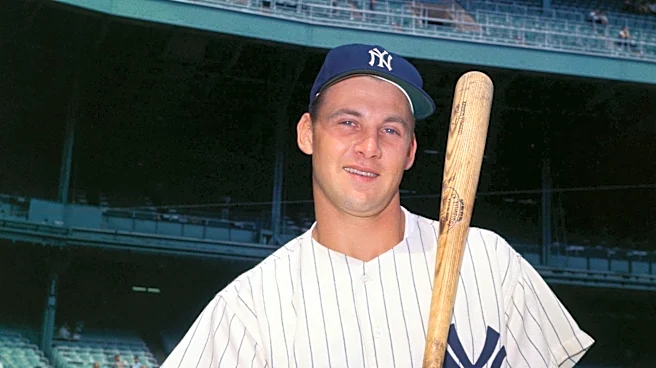
After his Major League career, Merkle played as the regular first baseman for Rochester in the International League from 1921 to 1925. He briefly returned to the Major Leagues in mid-1925 with the New York Yankees, appearing in only seven games that year and one in 1926. He retired after one year as a player-manager for Reading in the International League in 1927. Merkle was inducted into the International League Hall of Fame in 1953, a testament to his broader contributions to the sport beyond the single error.
Living with the "Bonehead" Label
The bitterness Merkle felt over the events of the "boner" game was profound. He largely avoided baseball after his playing career ended in 1926. The nickname "Bonehead," popularized by sportswriter Gym Bagley, followed him throughout his life. Bagley's September 25, 1908, column, which included the line, "A one-legged man with a noodle is better than a bonehead," helped solidify this public perception. It wasn't until 1950 that Merkle finally appeared at a Giants old-timers' game, where he received a loud ovation from the fans, perhaps a sign of some reconciliation with his past. He passed away in 1956, having lived for decades with the indelible mark of a single base-running error.