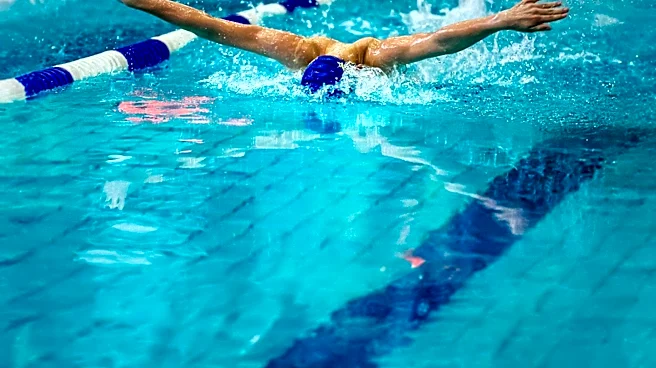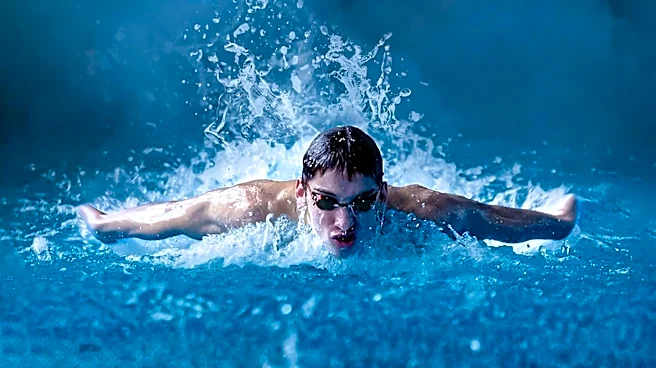




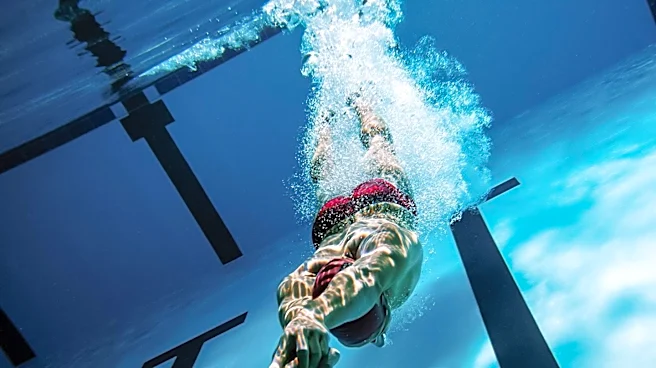

The 1980 Summer Olympics in Moscow featured remarkable performances in swimming, with athletes from various nations showcasing their prowess in the pool. Despite the political backdrop and the boycott affecting participation, the swimming events were a highlight of the games, with East Germany and the Soviet Union leading the medal tally.
East Germany's Dominance
East Germany emerged as a powerhouse in swimming during the 1980 Olympics, securing the most gold medals in the sport.
The East German swimmers won a total of 12 gold medals, along with 10 silver and 8 bronze, making a significant impact on the overall medal standings. Their success was attributed to a combination of rigorous training and strategic preparation.
Among the standout performers were East German swimmers Barbara Krause, Caren Metschuck, and Rica Reinisch, each winning three gold medals. Their achievements not only contributed to East Germany's dominance in swimming but also highlighted the country's strong emphasis on sports development during this period.
Soviet Union's Strong Performance
The host nation, the Soviet Union, also delivered impressive results in swimming, securing 8 gold, 9 silver, and 5 bronze medals. Soviet swimmer Vladimir Salnikov was a key figure, winning three gold medals in the 400-meter freestyle, 1500-meter freestyle, and the 4x200-meter freestyle relay. His performances were celebrated as a testament to the Soviet Union's commitment to excellence in sports.
The Soviet Union's success in swimming was part of a broader strategy to excel in various sports during the Olympics, showcasing the nation's athletic capabilities on the world stage. The achievements of Soviet swimmers were a source of national pride and contributed to the overall success of the Soviet Union in the 1980 Games.
Impact and Legacy
The swimming events at the 1980 Summer Olympics left a lasting legacy, with the performances of East German and Soviet athletes being remembered as some of the most remarkable in Olympic history. The achievements in the pool were a reflection of the intense competition and high standards set by the participating nations.
Despite the political tensions and the boycott, the swimming events demonstrated the enduring spirit of the Olympics, where athletes strive for excellence and push the boundaries of human performance. The 1980 Olympics remain a significant chapter in the history of swimming, with the achievements of that year continuing to inspire future generations of swimmers.