







"ER" stands as a landmark American medical drama television series that captivated audiences for over a decade. Airing on NBC from September 19, 1994, to April 2, 2009, the show was created by novelist Michael Crichton. Its narrative centered on the fictional County General Hospital in Chicago, specifically delving into the intense and often chaotic stories unfolding within its emergency room. The series not only achieved remarkable longevity but
also garnered significant critical recognition throughout its run, solidifying its place in television history.
A Decade and a Half of Medical Drama
Spanning fifteen seasons, "ER" became one of the longest-running medical dramas in American television. Its consistent presence on NBC for nearly fifteen years allowed it to explore a vast array of medical, ethical, and personal storylines, reflecting the ever-evolving landscape of emergency medicine and the lives of those dedicated to it. The show's ability to maintain a compelling narrative and attract a loyal viewership for such an extended period is a testament to its strong writing, engaging characters, and the universal appeal of its themes.
From its premiere in 1994 to its conclusion in 2009, "ER" maintained a high standard of production and storytelling. The series consistently introduced new characters and storylines while also developing its core cast, ensuring that the hospital environment felt dynamic and realistic. This continuous evolution helped keep the show fresh and relevant to its audience, preventing it from becoming stagnant over its impressive run.
A Cascade of Awards and Nominations
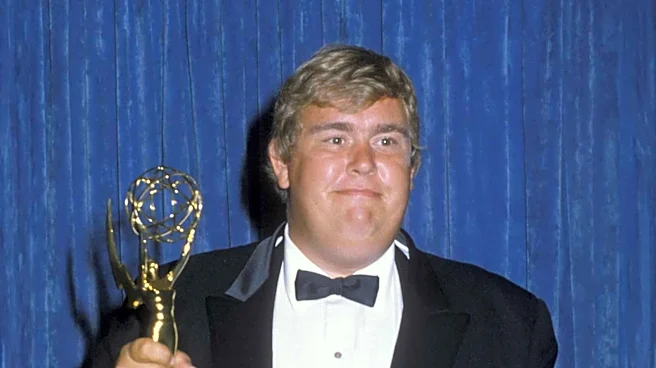
Beyond its popularity, "ER" was a critical darling, accumulating an impressive collection of awards and nominations. The series won a remarkable 23 Primetime Emmy Awards, a testament to its excellence in various categories, including acting, writing, and directing. These accolades highlight the show's consistent quality and its ability to resonate with industry professionals as well as the viewing public.
In total, "ER" received 116 awards, demonstrating its widespread recognition across different award-giving bodies. This extensive list of honors includes the prestigious Peabody Award, which acknowledges excellence in television broadcasting. The show was also nominated for an astounding 124 Emmys, further underscoring its consistent presence in the conversation for top television honors throughout its run. This critical success cemented "ER" as not just a popular show, but a highly respected and influential piece of television drama.
Impact on Television Landscape
The success and critical acclaim of "ER" had a significant impact on the television landscape, particularly within the medical drama genre. Its fast-paced, realistic portrayal of emergency medicine set a new standard for the genre, influencing subsequent medical shows. The series demonstrated that complex medical cases, combined with deep character development and compelling personal stories, could sustain a long-running and highly successful program. Its legacy continues to be felt in how medical dramas are conceived and executed today.