





The psoas major muscle is a central component in human locomotion and posture, serving as a vital link between the upper and lower body. It effectively connects the axial skeleton, which includes the spine, to the appendicular skeleton, comprising the limbs. This unique anatomical position allows it to influence movements from the inside to the outside and from the back to the front of the body. Its primary actions are centered around the hip joint
and the lumbar spine, making it an indispensable muscle for a wide range of physical activities, from walking to sitting up.
Contributions to Hip Joint Flexion
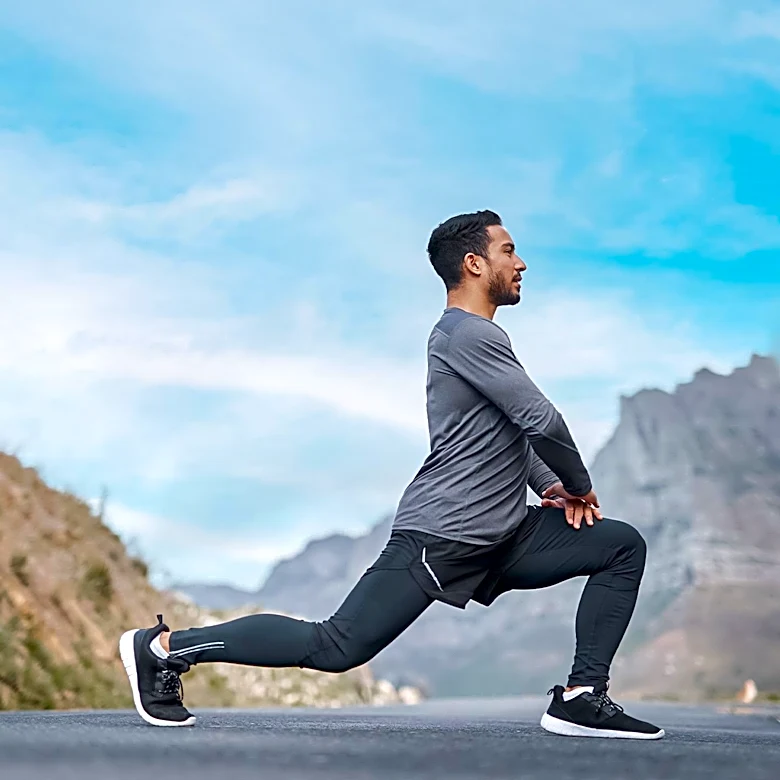
One of the most significant functions of the psoas major is its contribution to flexion in the hip joint. It achieves this role as part of the iliopsoas, a powerful muscle group formed by the union of the psoas major and the iliacus muscle. As a hip flexor, its action is primarily to lift the upper leg towards the body when the body is fixed. Conversely, it can also pull the body towards the leg when the leg is fixed. This dual capability is essential for movements like walking, running, and climbing stairs, where the leg moves relative to the trunk, or the trunk moves relative to the leg.
Beyond simple flexion, the attachment of the psoas major to the lesser trochanter on the posteromedial aspect of the femur also facilitates other hip movements. Specifically, it causes lateral rotation of the hip. Additionally, it contributes to weak adduction of the hip, which is the movement of the leg towards the midline of the body. These combined actions make the psoas major a versatile muscle in controlling the complex movements of the hip joint.
Influence on Lumbar Spine and Trunk Movement
The psoas major muscle also exerts considerable influence on the lumbar spine and trunk. Its actions on the spine are dependent on whether one or both sides of the muscle contract. When there is a unilateral contraction, meaning only one psoas major muscle contracts, it causes the trunk to bend laterally. This action is important for side-bending movements of the torso. The ability to bend the trunk laterally is crucial for maintaining balance and performing various daily activities.
Furthermore, when both psoas major muscles contract bilaterally, they play a key role in raising the trunk from a supine (lying on the back) position. This action is evident in movements such as performing a sit-up. During a sit-up, the hip flexors, including the iliopsoas, flex the spine upon the pelvis, bringing the torso away from the ground and towards the front of the leg. The frontal attachment of the psoas major to the vertebrae also means that rotation of the spine will stretch the muscle, highlighting its intricate connection to spinal mechanics and overall body posture.