





Morning dress, a distinctive formal daytime attire for men, has a rich history rooted in 19th-century practices. What began as a more casual form of half-dress, associated with gentlemen riding horses in the morning, gradually transformed into a staple for formal occasions. This evolution saw the morning coat, with its characteristic cutaway front, transition from a practical garment to a symbol of sartorial elegance, eventually surpassing the frock
coat in popularity during the Edwardian era. Understanding this journey reveals how societal norms and fashion trends shaped one of the most enduring forms of men's formalwear.
Origins in 19th-Century Riding Attire
The name "morning dress" itself provides a direct link to its origins. In the 19th century, gentlemen would often ride horses in the morning, and for this activity, they favored a single-breasted morning coat with a cutaway front. This design was practical, allowing for ease of movement while riding. Initially, this garment was considered a more casual option, part of what was known as "half dress." The early versions of these coats often featured step collars, also known as notched lapels in American English, further indicating their less formal status at the time.
As the 19th century progressed, the morning coat began to shed its purely casual associations. It gradually became acceptable for wear in more formal situations, slowly encroaching on the territory previously held by the frock coat. This shift marked a significant turning point, as the morning coat started its ascent in the hierarchy of men's formal attire. The design also evolved, with the more formal pointed lapels, or peaked lapels in American English, becoming common as the garment gained greater formality.
Ascendancy in the Edwardian Era
By the Edwardian era, the morning coat had firmly established itself as the standard daytime form of men's full dress. It had effectively taken over in popularity from the frock coat, which had previously been the dominant formal daytime garment. This period solidified morning dress's role in formal events, setting the stage for its continued use in the 20th and 21st centuries. The transition from a riding coat to a formal staple highlights the dynamic nature of fashion and its adaptation to changing social customs.
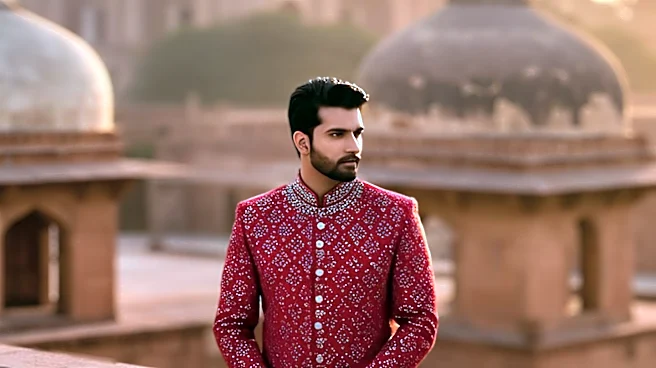
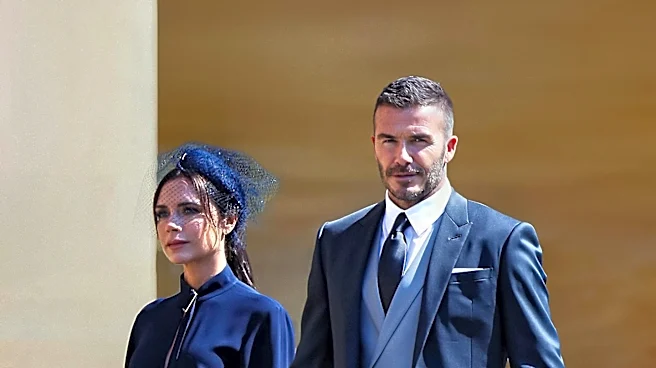
This formalization also brought about specific compositional elements that define morning dress today. It typically consists of a morning coat, a waistcoat, and formal striped or checked trousers worn with braces. The morning coat itself is now always single-breasted, often with a link closure or one button, and features peaked lapels. These lapels may include silk piping on the edges, and older models might even have piping on the cuffs of turnup coat sleeves. The waistcoat often matches the material of the coat, contributing to the cohesive formal look.
Modern Context and Dress Codes
Today, morning dress is generally reserved for specific formal occasions such as certain weddings, royal, government, or municipal audiences, and social season events like horse races. It may also be seen at church services, fraternal orders, and gentlemen's clubs. However, there are clear guidelines regarding its appropriate use. For instance, etiquette authorities like Debrett's state that morning dress should not be specified for events starting after 6:00 p.m.; for such evening events, white tie is the recommended attire. The black lounge suit serves as the semi-formal daytime counterpart to morning dress.
A popular variant, known as the "morning suit" or "morning grey," features all parts—the morning coat, waistcoat, and trousers—in the same color and material, often grey. This variant is considered slightly less formal and is traditionally appropriate for festive functions, such as summer weddings and horse races. This distinction underscores the nuanced formality within morning dress itself, offering options for different levels of celebratory occasions while maintaining a high standard of elegance.