




The yukata, a traditional Japanese garment, has evolved significantly from its origins as a simple bathing robe to become a widely recognized symbol of Japanese summer. This unlined cotton or linen kimono-like attire is now a common sight at festivals, summer events, and traditional inns across Japan. Its name, literally translating to "bathing cloth," hints at its historical use, but its modern application is far broader, making it an essential part
of contemporary Japanese culture, especially during the warmer months.
From Bathing Cloth to Everyday Wear
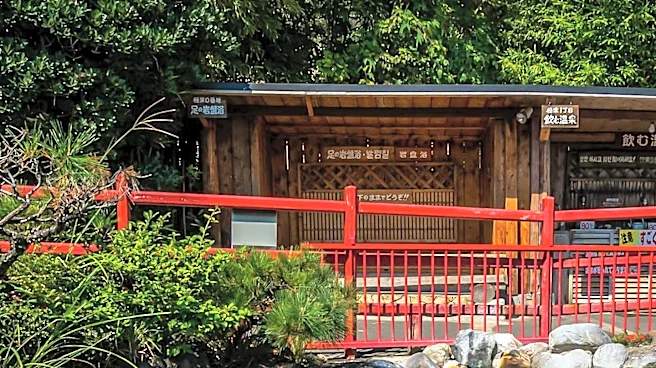
Historically, the yukata was primarily worn as a bathrobe, a practical garment for use after bathing, particularly when visiting public bathhouses or hot springs. The original term, "yukatabira," referred to a type of bathing garment. This early function highlights its utilitarian purpose, providing comfort and modesty in a casual setting. Over time, its use expanded beyond the confines of bathhouses, gradually transitioning into a more general form of casual wear.
This evolution reflects a broader trend in Japanese fashion, where garments once reserved for specific functions found new life in everyday contexts. The simplicity of the yukata, compared to the more formal kimono, made it an ideal candidate for this transition. Its lightweight material and unlined construction were perfectly suited for the summer heat, contributing to its growing popularity as a seasonal garment.
Modern Adaptations and Cultural Significance
Today, the yukata is synonymous with Japanese summer festivities. It is frequently worn at events such as the Obon festival, fireworks displays, and various other summer celebrations. This widespread adoption for festive occasions underscores its cultural importance, transforming it from a mere garment into a symbol of seasonal joy and tradition. The vibrant colors and diverse designs available in modern yukata further enhance its appeal for these celebratory settings.
Beyond festivals, the yukata also serves a practical role in traditional Japanese accommodations. Guests at ryokan, which are traditional inns, often find yukata provided for their use. Here, they function as comfortable loungewear, bathrobes, and even pajamas, allowing guests to relax and experience a traditional aspect of Japanese hospitality. This dual role, as both a festive outfit and a comfortable home garment, showcases the yukata's remarkable versatility.
Construction, Materials, and Design Evolution
The yukata is characterized by its straight seams and wide sleeves, a construction style shared with other traditional Japanese clothing. While traditionally made from cotton, often indigo-dyed, modern yukata can also incorporate linen or synthetic fabrics. The absence of a lining makes it particularly suitable for warm weather, distinguishing it from the more elaborate, often lined, kimono.
Men's and women's yukata share the basic T-shape but differ in sleeve length; men's yukata typically have a shorter sleeve extension of about 10 centimeters from the armpit seam, whereas women's yukata feature a longer extension of approximately 20 centimeters. While indigo and white were the traditional colors, the late 1990s saw a surge in popularity that led to a vast array of colors and designs, catering to diverse tastes and making them machine washable for convenience. This expansion in design options has made the yukata accessible and appealing to a broader demographic, further cementing its place in contemporary Japanese fashion.
Accessorizing the Yukata Ensemble
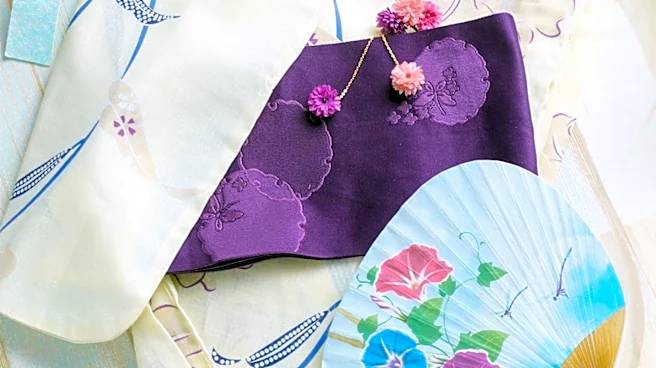
A complete yukata ensemble typically includes the yukata itself, an obi (a sash), and geta (wooden sandals worn without socks). The obi used with a yukata is generally a stiff, single-layer sash, or a softer, also single-layer, version, which is simpler to tie than the more complex obi worn with a formal kimono. For cooler weather, an outer jacket may be added to the outfit.
Accessories play a significant role in enhancing the yukata experience. A foldable or fixed hand fan is a common and practical addition, offering relief from the summer heat. Both men and women often carry a traditional bag called a kinchaku, which is used to hold small personal items like mobile phones. These accessories not only complement the aesthetic of the yukata but also serve functional purposes, contributing to the overall comfort and style of the wearer during summer outings and events.