




Micropigmentation is a specialized technique that falls under the umbrella of cosmetic tattooing, offering long-lasting enhancements to various facial features and even creating the illusion of hair. Unlike traditional tattoos, which often penetrate deeper into the skin, micropigmentation is designed to be more superficial, targeting the epidermal and upper dermal layers. This approach helps achieve a more natural appearance, particularly when mimicking
delicate features like hair follicles or subtle makeup effects. The procedure involves depositing tiny dots of pigment into the skin, creating a lasting coloration in the desired area.
This technique is widely recognized for its ability to provide permanent makeup solutions, allowing individuals to maintain a consistent look without daily application. From defining eyebrows to enhancing lips and eyes, micropigmentation offers a convenient and durable alternative to conventional cosmetics. The pigments used are carefully selected to blend with natural skin tones and hair colors, ensuring a subtle and realistic outcome.
Permanent Makeup Applications
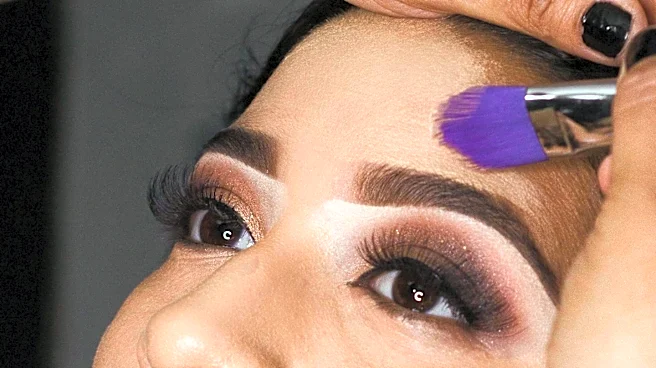
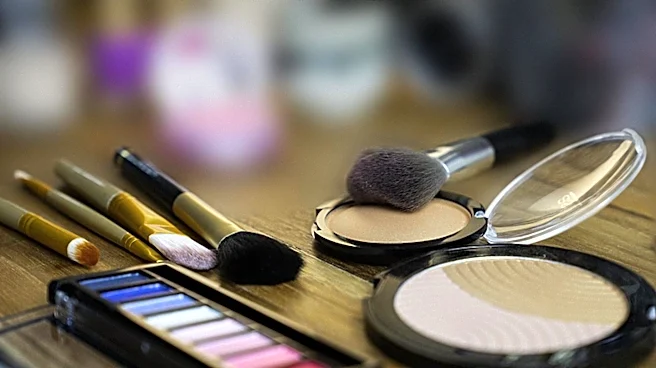
One of the primary uses of micropigmentation is in creating permanent makeup. This involves applying natural pigments to areas such as the eyes to mimic the effect of eyeshadow, lips to create a lipstick-like appearance, and cheekbones for a blush-like look. The process uses a machine that injects a small needle at a very fast rate, carrying pigment into the skin. This results in a lasting coloration that can define features like eyebrows, lips (either as a liner or for a blushing effect), and eyes (for permanent eyeliner).
Natural colors are often employed to replicate the appearance of eyebrows and freckles, while a diverse range of pigments can be used for lips and eyeliner to achieve a look similar to traditional makeup. This cosmetic tattooing can also be used to create moles, offering a permanent beauty mark. The goal is to enhance natural features in a way that is both subtle and enduring, reducing the need for daily makeup routines.
Scalp Micropigmentation for Hair Loss
Beyond facial cosmetics, micropigmentation has gained significant traction as a solution for hair loss, a technique often referred to as scalp micropigmentation (SMP). This non-invasive cosmetic procedure involves depositing pigment into the scalp to create the appearance of tiny hair follicles. It gives the illusion of a close buzz cut hairstyle on a bald head or adds density to thinning areas, making it popular among those experiencing hair loss.
SMP is designed to be more superficial than traditional tattoos, targeting the epidermal and upper dermal layers to avoid the appearance of larger, more noticeable impressions, thus resulting in a more natural look. The chosen ink color is matched to the current color of the hair follicle to ensure a seamless blend. This procedure can also be used to conceal scars from hair transplantation and hide the visual impact of burns or scars on the head. One of the advantages of SMP is that the hairline can be adjusted or touched up with relative ease, allowing for modifications over time as desired. While considered a permanent treatment, SMP can be removed with laser treatment if necessary.
Distinguishing Micropigmentation from Traditional Tattoos
While micropigmentation is a form of cosmetic tattooing, there are key distinctions that set it apart from traditional body art. The primary difference lies in the depth of pigment insertion and the intended aesthetic outcome. Micropigmentation aims for a more superficial application, particularly in scalp micropigmentation, to create a subtle, natural-looking shadow effect that blends seamlessly with existing hair or skin.
Traditional tattoos, on the other hand, often involve deeper penetration of ink into the skin and are typically designed for artistic expression with bolder, more defined lines and colors. The pigments used in micropigmentation are also often formulated to be more natural-looking and to fade more gradually over time, allowing for easier adjustments or touch-ups. This careful approach ensures that cosmetic enhancements remain refined and appropriate for their intended purpose, whether it's permanent makeup or the illusion of hair density.