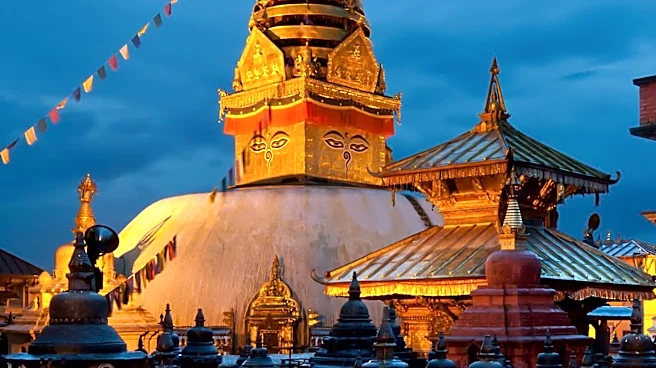





Nepal is a country renowned for its cultural and linguistic diversity. With a population that speaks a multitude of languages, Nepal's linguistic landscape is a fascinating subject. The official language is Nepali, but the country is home to a wide array of languages that reflect its rich cultural heritage. This article delves into the linguistic diversity of Nepal, exploring the major languages spoken and their origins.
Major Languages of Nepal
Nepali is the most widely spoken
language in Nepal, with 44.6% of the population using it as their mother tongue. It serves as the official language and is used in government and education. However, Nepal's linguistic diversity extends far beyond Nepali. Maithili, spoken by 11.7% of the population, is the second most common language. It is followed by Bhojpuri, Tharu, and Tamang, each spoken by significant portions of the population.
Other languages include Newar, Bajjika, Magar, Doteli, and Urdu, each contributing to the country's rich linguistic tapestry. These languages are not just means of communication but are integral to the cultural identity of the various ethnic groups in Nepal. The presence of these languages highlights the country's multicultural nature and the importance of preserving linguistic heritage.
Origins and Language Groups
The languages spoken in Nepal can be traced back to three major language groups: Indo-Aryan, Tibeto-Burman, and various indigenous language isolates. The Indo-Aryan languages, which include Nepali, Maithili, and Bhojpuri, are predominant in the southern plains and are closely related to languages spoken in northern India.
The Tibeto-Burman languages, such as Tamang and Newar, are primarily spoken in the hilly and mountainous regions. These languages have distinct phonetic and grammatical structures, reflecting the diverse ethnic groups that inhabit these areas. The indigenous language isolates, though less common, add another layer of complexity to Nepal's linguistic landscape.
The Importance of Linguistic Diversity
Nepal's linguistic diversity is not just a cultural asset but also a crucial aspect of its national identity. The multitude of languages spoken in the country reflects its history of migration and cultural exchange. This diversity is celebrated and preserved through various cultural festivals and educational programs.
Efforts to promote and preserve these languages are vital for maintaining the cultural heritage of Nepal. Language is a key component of cultural identity, and preserving linguistic diversity ensures that the unique traditions and histories of Nepal's ethnic groups are not lost. As Nepal continues to develop, balancing modernization with the preservation of its linguistic heritage remains a significant challenge.