






Fever, a natural physiological response to illness, is frequently a source of significant anxiety for both parents and healthcare professionals. This heightened concern, often disproportionate to the actual risk posed by fever, is known as "fever phobia." This phenomenon stems from various misconceptions about fever in children, leading to unnecessary worry and sometimes inappropriate interventions. Understanding these misconceptions is crucial for a more
balanced approach to managing fever.
Common Parental Misconceptions
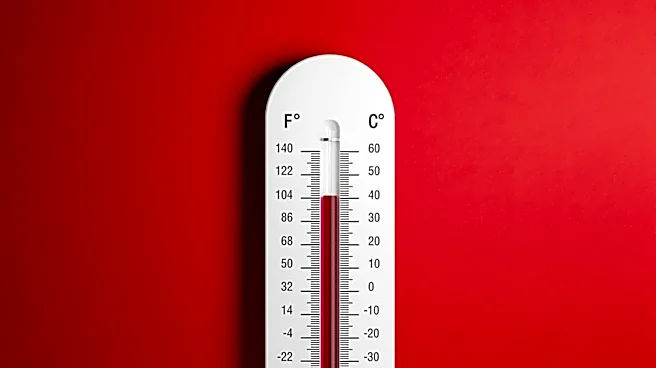
Many parents harbor several incorrect beliefs about fever. A fundamental misconception is viewing fever as a disease in itself, rather than recognizing it as a medical sign or symptom of an underlying condition. This misunderstanding can lead to an overemphasis on reducing the temperature rather than addressing the root cause of the illness. Parents often believe that even low-grade fevers are inherently harmful, which is generally not the case.Another common misconception is that any temperature, even slightly above an oversimplified "normal" number on a thermometer, constitutes a clinically significant fever requiring immediate action. This can lead to anxiety over minor temperature fluctuations. Furthermore, parents frequently overestimate the likelihood of permanent damage from typical fevers and are particularly afraid of harmless side effects like febrile seizures, dramatically exaggerating their potential for long-term harm.
The Impact of Anxiety on Fever Management
The underlying problem, as articulated by Professor of Pediatrics Barton D. Schmitt, is the parental fear that "our children's brains may melt." This deep-seated anxiety drives many of the behaviors associated with fever phobia. As a direct result of these misconceptions and fears, parents often become anxious and may administer fever-reducing medication even when a child's temperature is technically normal or only slightly elevated.This anxiety can also lead to disruptive practices, such as interfering with a child's sleep to give more medication, driven by the belief that constant temperature reduction is necessary. Such actions, while well-intentioned, may not be beneficial and can sometimes cause unnecessary distress for the child. The focus shifts from comfort and monitoring to aggressive temperature control, often based on unfounded fears rather than medical necessity.
Distinguishing Fever from Hyperthermia
It is important to distinguish fever from hyperthermia, which is an elevation of body temperature due to excessive heat production or insufficient heat loss, without a change in the body's temperature set point. Hyperthermia is not considered a fever and can quickly become life-threatening, often not responding to antipyretic medications. While the distinction can be difficult in an emergency, identifying potential causes helps differentiate the two conditions.In cases of hyperthermia, aggressive cooling measures, such as ice packs or submersion in ice water, are required. However, for typical fevers, such extreme measures are rarely necessary. The management of fever generally focuses on comfort and hydration, with medications used to alleviate discomfort rather than to prevent perceived dangers that are often exaggerated by fever phobia.