





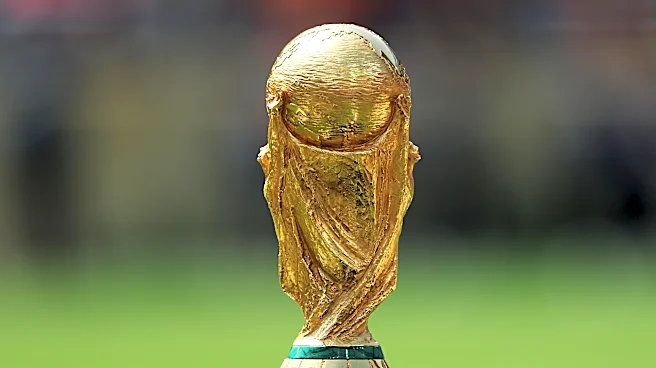
The 1994 FIFA World Cup final between Brazil and Italy was not only a showcase of skill but also a masterclass in tactical soccer. Held at the Rose Bowl in Pasadena, California, this match highlighted the strategic approaches of both teams as they vied for the coveted World Cup title. The game ended in a 0-0 draw after extra time, leading to a penalty shoot-out where Brazil emerged victorious.
Defensive Strategies
Both Brazil and Italy demonstrated exceptional defensive
strategies throughout the match. Brazil's defense was anchored by players like Cafu and Aldair, who effectively neutralized Italy's attacking threats. Italy, known for their strong defensive play, relied on the experience of Franco Baresi and Paolo Maldini to keep Brazil's forwards at bay. The Italian defense was particularly effective in holding off Romario and Bebeto, who were unable to convert their chances into goals.
The midfield battle was crucial, with Italy's Dino Baggio playing a key role in disrupting Brazil's attacking flow. Brazil's Dunga and Mauro Silva countered with their own defensive midfield tactics, ensuring that Italy's forwards had limited opportunities to score. This midfield stalemate contributed to the scoreless draw, as both teams struggled to break through the opposition's defenses.
Offensive Attempts
Despite the strong defensive play, both teams had moments of offensive brilliance. Brazil's Romario and Bebeto were central to their attacking strategy, creating several scoring opportunities. Romario's header in the 13th minute and Bebeto's attempt in the second half were notable chances that tested Italy's goalkeeper, Gianluca Pagliuca. However, Pagliuca's skillful saves kept Brazil from finding the back of the net.
Italy's Roberto Baggio, despite being hampered by an injury, was a constant threat to Brazil's defense. His attempts to penetrate Brazil's backline were thwarted by Márcio Santos and Aldair, who maintained a solid defensive stance. Baggio's missed penalty in the shoot-out was a pivotal moment, underscoring the pressure and intensity of the match.
The Role of Substitutions
Substitutions played a strategic role in the final, as both teams sought to gain an advantage. Brazil's decision to replace Jorginho with Cafu due to injury was a tactical move that maintained their defensive strength. Italy's substitution of Roberto Mussi with Luigi Apolloni aimed to bolster their defense, moving Maldini to the left-back position.
These substitutions reflected the tactical adjustments made by both teams in response to the evolving dynamics of the match. The strategic use of substitutions highlighted the depth and adaptability of both squads, contributing to the overall intensity and competitiveness of the final.
The 1994 FIFA World Cup final remains a testament to the tactical prowess of Brazil and Italy, showcasing the strategic elements that define high-level soccer.