








Crumple zones have revolutionized automotive safety, playing a crucial role in reducing injury risks during collisions. By absorbing impact energy and increasing the time over which deceleration occurs, crumple zones minimize the peak force experienced by passengers. This article examines the impact of crumple zones on automotive safety and their significance in protecting vehicle occupants.
Enhancing Passenger Protection
Crumple zones are designed to manage crash energy, preventing
intrusion into or deformation of the passenger cabin. This is achieved through controlled weakening of the car's outer parts while reinforcing the inner body to create a “safety cell.” By spreading impact energy over a wide area, crumple zones reduce deformation and protect occupants from injury.
The introduction of crumple zones marked a significant shift in automotive safety design, challenging the belief that a rigid car structure was synonymous with safety. Instead, crumple zones absorb collision energy, preventing it from reaching passengers and minimizing injury risks. This innovative approach has been widely adopted in modern vehicles, underscoring the importance of crumple zones in enhancing passenger protection.
Integration with Other Safety Features
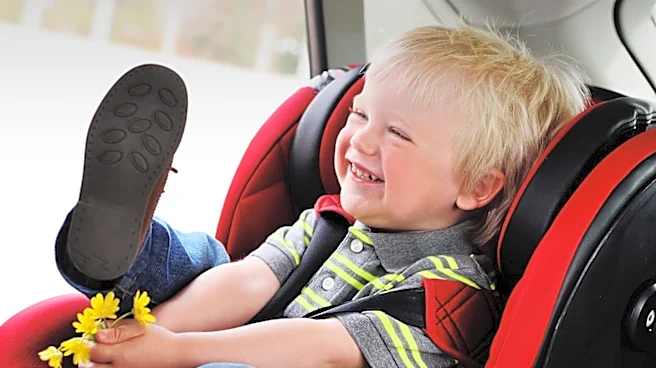
Crumple zones are part of a comprehensive system designed to protect vehicle occupants during a collision. This system includes seat belts, airbags, and padded interiors, all working together to reduce the peak force of impact on passengers. Seat belts, for instance, are designed to stretch during an impact, increasing the time over which occupants decelerate and absorbing inertial energy.
The sequence of speed-reducing technologies—crumple zones, seat belts, airbags, and padded interiors—aims to slow down the deceleration of the human body, drastically reducing the peak force imparted. This integrated approach to vehicle safety highlights the importance of crumple zones in minimizing injury risks and enhancing passenger protection.
Broader Impact on Vehicle Design
The introduction of crumple zones has significantly influenced vehicle design, with manufacturers incorporating these features into various parts of the car. While initially focused on the front of the vehicle, crumple zones are now found in the rear and sides, as seen in Volvo's Side Impact Protection System (SIPS) introduced in the early 1990s.
Crumple zones have also been integrated into trains and railcars, showcasing their versatility and importance in transportation safety. The widespread adoption of crumple zones underscores their critical role in reducing injury risks and enhancing passenger protection across different modes of transport.
Crumple zones have revolutionized automotive safety, providing a vital layer of protection for vehicle occupants. By absorbing impact energy and integrating with other safety features, crumple zones continue to play a crucial role in minimizing injury risks and enhancing passenger protection.