





A dress code is essentially a set of rules dictating appropriate clothing for a particular setting or occasion. These guidelines can vary significantly, from formal requirements for specific events like weddings or funerals to daily expectations in professional environments. While some dress codes are unwritten social norms, many organizations, businesses, and institutions implement explicit policies to manage appearance. These rules often aim to project
a certain image, maintain professionalism, or ensure safety, but they can also become subjects of debate and legal scrutiny, particularly when they touch upon issues of gender, discrimination, and personal expression.
Dress Codes in the Professional Sphere
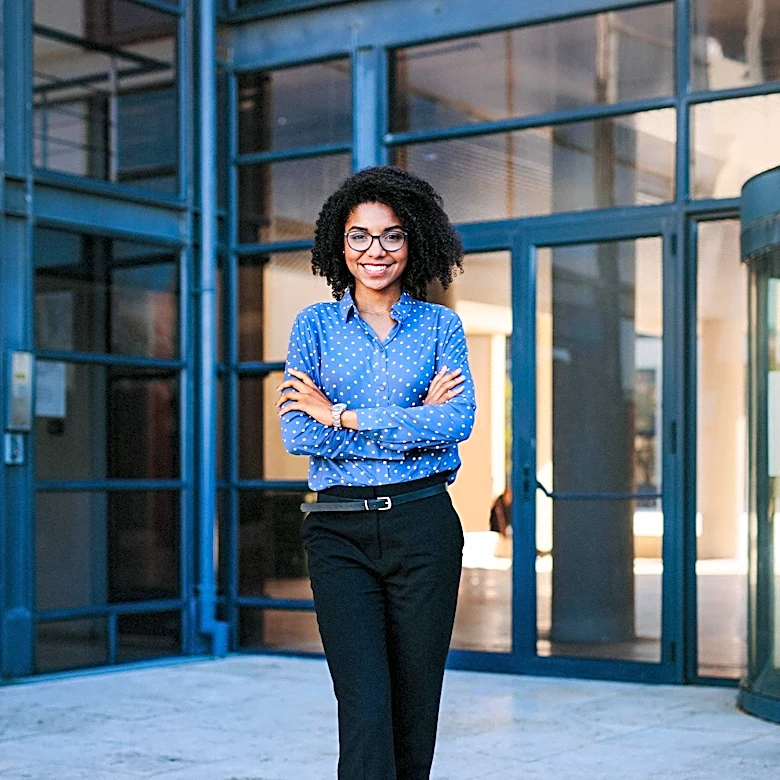
In the workplace, dress codes are a common feature, with employees often required to adhere to specific standards of dress or even wear a uniform. The nature of these requirements frequently depends on the industry and the employee's role, especially if they interact with customers. For instance, professions like law, banking, and executive roles typically call for business attire such as suits and ties, often paired with black shoes and belts. In contrast, the technology industry tends to have a more relaxed approach, with casual wear being more prevalent. These workplace policies are designed to create a consistent professional image, but they must also navigate the complexities of anti-discrimination laws.Businesses generally have the authority to establish and enforce dress codes for their workers. A carefully written dress code, applied consistently across all employees, typically does not violate anti-discrimination laws. The key is that the dress code should not favor one gender over another. However, the interpretation and application of these laws can be complex, leading to various legal challenges and court cases that have shaped how dress codes are implemented in the United States.
Legal Battles Over Appearance: Gender and Discrimination
Workplace dress codes have frequently faced legal challenges, particularly concerning gender-specific requirements. One notable case in the U.S. was *Jespersen v. Harrah's Operating Co.*, which addressed whether a workplace could legally require female employees to wear makeup while banning male counterparts from doing so. Darlene Jespersen, an employee at Harrah's Casino for over two decades, found the 'Personal Best' policy, which mandated a full face of makeup including foundation, powder, blush, mascara, and lipstick, to be unattainable and degrading. She argued it forced her to be "dolled up" like a sexual object, diminishing her credibility.Conversely, men at Harrah's were prohibited from wearing makeup, nail polish, and other traditionally female attire. Judge Kozinski, in his argument, highlighted that hyperfemininity imposed a burden primarily on women, citing the time, effort, and expense involved. Despite these arguments, the ruling concluded that women did not bear a disproportionately larger burden under the dress code. However, two dissenting judges argued that makeup demands more time and money and that the policy constituted sex stereotyping by implying women's bare faces were less desirable. This case illustrates the intricate legal landscape surrounding gender-specific appearance standards in the workplace.
Body Image and Gender Identity in Dress Code Disputes
Beyond makeup, dress codes have also led to disputes concerning body shape and gender identity. In New Jersey, the "BorgataBabes" case involved twenty-one women suing the Borgata Casino Hotel & Spa. They alleged that the casino required them to maintain specific weight and size standards to keep their jobs, with management reportedly ridiculing them over weight gain, even during pregnancy. The casino's defense was that the "BorgataBabes" program contractually required both men and women to adhere to certain body shapes and sizes. In 2016, Superior Court Judge Nelson Johnson dismissed the claims, ruling that the appearance standards were lawful, though he allowed the women to pursue claims of a hostile work environment.Another significant case, *Doe v. Boeing Corporation* (1993), involved a transgender individual, referred to as Doe, who was undergoing gender transition. Her supervisors at Boeing Corporation were uncooperative with her desire to wear feminine clothing to work. Despite a counselor's recommendation that wearing female-presenting clothing would aid her transition, Doe was warned against wearing