






The Virginia Ratifying Convention of 1788 was a crucial event in the history of the United States, marking a significant step in the ratification of the U.S. Constitution. This convention was not just a meeting of delegates; it was a battleground of ideas and ideologies that would shape the future of the nation. With 168 delegates gathered in Richmond, Virginia, the convention was tasked with deciding whether to ratify the newly proposed Constitution,
a decision that would have far-reaching implications for the state and the country.
The Gathering of Minds
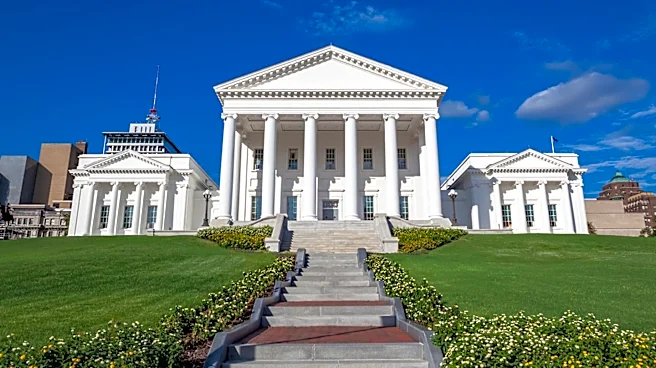
The Virginia Ratifying Convention convened on June 2, 1788, in Richmond, Virginia. The delegates, numbering 168, represented a wide array of political beliefs and regional interests. The convention was presided over by Judge Edmund Pendleton, a respected figure who had also been a delegate to the Constitutional Convention. The meeting was held at the Richmond Theatre, which is now the site of Monumental Church.
The delegates were divided into two main factions: the Federalists, who supported the ratification of the Constitution, and the Anti-Federalists, who opposed it. Leading the Federalists was James Madison, a key architect of the Constitution, while the Anti-Federalists were led by Patrick Henry, a prominent figure in the American Revolution and a staunch defender of states' rights. The debates were intense and often heated, reflecting the high stakes involved in the decision.
Debates and Deliberations
The debates at the Virginia Ratifying Convention were open to the public, drawing large crowds and significant media attention. The Federalists argued that the new Constitution was necessary to create a strong central government capable of addressing the weaknesses of the Articles of Confederation. They emphasized the need for a unified nation that could effectively manage its affairs and defend itself against external threats.
On the other hand, the Anti-Federalists were concerned about the potential loss of state sovereignty and individual liberties. Patrick Henry, in particular, was vocal in his opposition, questioning the authority of the Philadelphia Convention to draft a new Constitution without explicit instructions to do so. He feared that a strong central government would lead to tyranny and the erosion of Virginia's liberties.
The Outcome and Its Impact
After weeks of intense debate, the Virginia Ratifying Convention voted on June 25, 1788, to ratify the Constitution by a narrow margin of 89 to 79. This decision was pivotal, as Virginia was the tenth state to ratify the Constitution, providing the necessary momentum for its implementation. The convention also recommended a series of amendments, including a Bill of Rights, to address the concerns of the Anti-Federalists.
The ratification of the Constitution by Virginia was a significant victory for the Federalists and helped pave the way for the establishment of the new government. It also underscored the importance of compromise and dialogue in the American political process. The inclusion of a Bill of Rights, championed by James Madison in the First Congress, was a direct result of the debates and recommendations made during the convention.
The Virginia Ratifying Convention was a defining moment in American history, illustrating the complexities and challenges of creating a new nation. It highlighted the diverse perspectives and interests that needed to be reconciled to form a more perfect union. The convention's legacy continues to influence the United States, serving as a reminder of the importance of debate, compromise, and the protection of individual liberties.