








On July 9, 1982, Pan Am Flight 759 met a tragic end shortly after takeoff from New Orleans International Airport. The Boeing 727-235, named Clipper Defiance, was en route from Miami to San Diego with stops in New Orleans and Las Vegas. Unfortunately, the flight was doomed by a microburst-induced wind shear, a weather phenomenon that proved fatal. This article delves into the sequence of events that led to the crash, the conditions at the time, and the aftermath
of this aviation disaster.
The Flight and Its Crew
Pan Am Flight 759 was a regularly scheduled domestic passenger flight. On the day of the accident, the aircraft was carrying 137 passengers and a crew of seven, including a non-revenue passenger in the cockpit jumpseat. The captain, Kenneth L. McCullers, was an experienced pilot with over 11,000 flying hours, most of which were on the Boeing 727. His crew included First Officer Donald G. Pierce and Flight Engineer Leo B. Noone, both of whom were also seasoned aviators with thousands of hours of flight experience.
The aircraft itself was a 14-year-old Boeing 727-235, powered by three Pratt & Whitney JT8D-7B turbofan engines. It had been delivered to National Airlines in 1968 and later became part of Pan Am's fleet following a merger. Despite the age of the aircraft, it was well-maintained and had passed all necessary checks.
Weather Conditions and Takeoff
The weather on July 9 was less than ideal for flying. The forecast issued earlier in the day warned of thunderstorms, possible severe turbulence, icing, and wind shear. At the time of takeoff, thunderstorms were present over the east of the airport, and the winds were described as "gusty and swirling." Despite these conditions, Flight 759 began its takeoff from Runway 10 at 16:07:57 local time.
As the aircraft lifted off, it climbed to an altitude of between 95 and 150 feet before it began to descend. The cockpit voice recorder captured the crew's communication, which indicated that they were aware of the challenging conditions but continued with the takeoff. Unfortunately, the aircraft encountered a microburst-induced wind shear, which caused a downdraft and a decreasing headwind, making it difficult for the pilots to maintain control.
The Crash and Its Aftermath
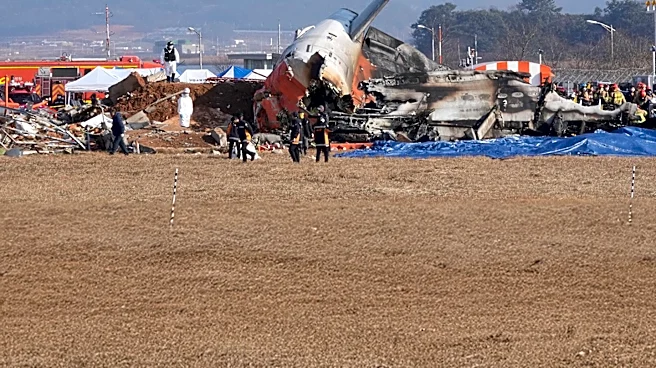
Tragically, the aircraft struck a line of trees about 2,376 feet from the end of the runway at an altitude of approximately 50 feet. It continued to descend, hitting more trees and houses before crashing into a residential area in Kenner, Louisiana. The impact, explosion, and subsequent ground fire destroyed the aircraft and several homes, resulting in the deaths of all 145 people on board and eight individuals on the ground.
In the aftermath, the National Transportation Safety Board (NTSB) attributed the crash to the aircraft's encounter with wind shear and the limited capability of the existing wind shear detection technology. The disaster highlighted the need for improved weather information and detection systems to prevent similar tragedies in the future.