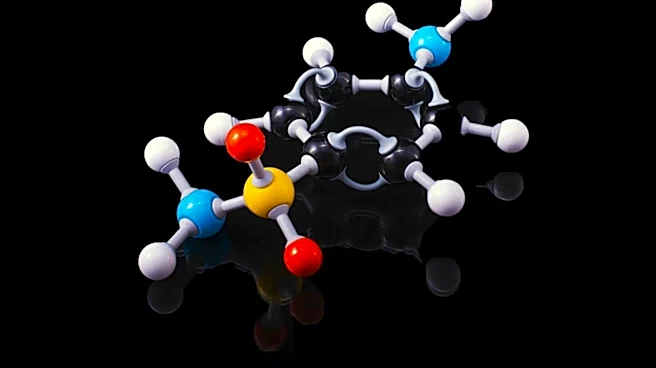






Creatine has emerged as one of the most extensively researched and effective dietary supplements for enhancing athletic performance. Its ability to increase muscle phosphocreatine stores directly translates into improved capacity for high-intensity exercise and significant strength adaptations. For athletes and individuals seeking to maximize their physical output, understanding the science behind creatine supplementation, its benefits, and proper
dosing protocols is key.
How Creatine Boosts Performance
At its core, creatine's ergogenic effects stem from its role in the body's energy system. In muscle and brain tissue, creatine is converted into phosphocreatine. This phosphocreatine acts as a rapid reserve for adenosine triphosphate (ATP), the primary energy source for cellular functions. During short, intense bursts of activity, ATP is quickly depleted. Phosphocreatine efficiently donates a phosphate group to adenosine diphosphate (ADP), thereby regenerating ATP almost instantaneously. This quick replenishment allows muscles to sustain high-intensity efforts for longer periods.
By increasing the total creatine and phosphocreatine stores in skeletal muscle, supplementation enhances the body's capacity to produce energy rapidly. The typical creatine content in skeletal muscle is around 120 mmol per kilogram of dry muscle mass, but through supplementation, this can be elevated to as much as 160 mmol/kg. This increased energy availability directly translates to improved performance in activities requiring explosive power and repeated high-intensity efforts.
Documented Benefits for Athletes
Numerous studies have confirmed creatine's positive impact on athletic performance. It has been shown to increase maximum power and overall performance in high-intensity anaerobic repetitive work by 5% to 15%. This includes activities characterized by short periods of intense work followed by brief rest intervals. Creatine supplementation exerts beneficial ergogenic effects on both single and multiple bouts of short-duration, high-intensity exercise activities. Furthermore, it plays a role in potentiating exercise training adaptations, meaning it can help individuals gain more from their training efforts.
It is important to note that while creatine is highly effective for anaerobic activities, it does not have a significant effect on aerobic endurance. A 2018 review article in the Journal of the International Society of Sports Nutrition specifically highlighted creatine monohydrate as the most effective nutritional supplement for increasing high-intensity exercise capacity and muscle mass during training. Beyond physical benefits, creatine is also absorbed by the brain and can improve cognitive function.
Dosing Protocols and Safety
Effective creatine supplementation typically involves a two-phase approach: a loading phase followed by a maintenance phase. The loading phase aims to rapidly saturate muscle creatine stores. A common suggestion is approximately 0.3 grams per kilogram of body weight per day, divided into four equally spaced intervals. Alternatively, a lower dose of 3 grams per day for 28 days can achieve similar total muscle creatine storage as a rapid loading dose of 20 grams per day for 6 days, though the ergogenic benefits would not be realized until full saturation.
After the 5-7 day loading phase, when muscle creatine stores are fully saturated, a maintenance dose is used to cover the amount of creatine degraded daily. This maintenance dose was originally reported to be around 2-3 grams per day (or 0.03 g/kg/day), but some studies suggest 3-5 grams per day to maintain saturated muscle creatine. Creatine supplementation for sporting performance enhancement is considered safe for both short-term and long-term use. It is generally regarded as safe for adults, children, and the elderly for up to five years, although safety data for use in children and during pregnancy is less comprehensive.