









Eastern Air Lines Flight 375, a Lockheed L-188 Electra aircraft registered as N5533, met a tragic end on October 4, 1960, shortly after takeoff from Logan International Airport in Boston, Massachusetts. This flight, which had originated from New York City's LaGuardia Airport as Flight 444, was scheduled to make stops in Philadelphia, Pennsylvania, Charlotte, North Carolina, and Atlanta, Georgia. The disaster, which claimed the lives of 62 of the 72
people on board, was primarily attributed to a bird strike during the critical takeoff phase, leading to catastrophic engine failure and an aerodynamic stall at a low altitude.
The Ill-Fated Takeoff from Logan
The aircraft, N5533, and its crew had arrived in Boston earlier that day. After a turnaround, it was prepared for its next leg as Flight 375. The pilots had filed an Instrument Flight Rules (IFR) flight plan, intending to cruise at 10,000 feet to Philadelphia. At approximately 5:35 p.m., the Electra departed the terminal and taxied to the threshold of Runway 09 for an easterly departure. Air traffic control cleared the flight for takeoff at 5:39 p.m. The initial moments of the takeoff appeared normal, with the aircraft accelerating down the runway as expected.
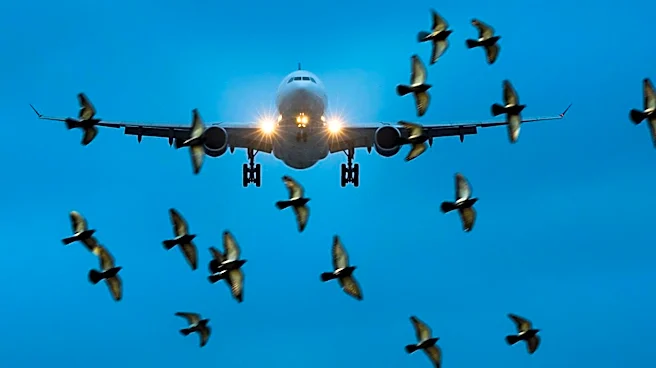
However, the normalcy was short-lived. Approximately six seconds after liftoff, the aircraft encountered a large flock of starlings. This encounter proved to be the pivotal moment in the flight's brief existence. The aircraft momentarily veered to the left before the pilots managed to regain the runway heading, attempting to maintain control amidst the sudden and unexpected challenge.
Engine Failure and Loss of Control
At a height of about 120 feet, the impact of the bird strike became critically apparent. Small birds were ingested into the aircraft's engines, specifically affecting engines one, two, and four. The propeller on engine one was feathered and shut down, a direct consequence of the bird ingestion. Engines two and four also experienced a momentary loss of thrust, though they subsequently recovered some power. The analysis of the wreckage later confirmed that engines one, two, and four had ingested at least one bird, with engine number one absorbing at least eight.
This sudden and significant loss of power, particularly from engine one, severely compromised the aircraft's ability to climb and maintain controlled flight. At a height of 200 feet, the airplane veered left again. With insufficient power and speed, the aircraft sank nose-up to an altitude of about 100 feet. It then rolled sharply to the left, the nose dropped, and the Lockheed Electra crashed into Winthrop Bay, located near the end of the runway. The entire sequence of events, from the beginning of takeoff to the impact with the water, transpired in less than one minute.
Aftermath and Analysis
The impact with the water was devastating. The fuselage of the aircraft broke into two main pieces. In the rear section, eight passengers and two flight attendants were ejected from their seats and were quickly rescued by boats already present in the bay. However, the front section of the aircraft sank rapidly to the bottom of the bay, trapping the majority of the passengers and flight crew. A Navy Reserve commander who arrived at the scene shortly after the accident reported that many passengers were stuck in their seats and unable to escape before the section submerged.
Of the 72 individuals on board, only 10 survived, with nine of them sustaining serious injuries. Both pilots perished in the crash. The subsequent investigation by the Civil Aeronautics Board (a predecessor to the National Transportation Safety Board) concluded that the lack of sufficient power due to the bird strike caused the aircraft to stall at a low altitude, making recovery impossible. The board recommended improvements in engine resistance to bird ingestion and measures to reduce bird populations around airports, highlighting the critical nature of bird strike prevention in aviation safety.