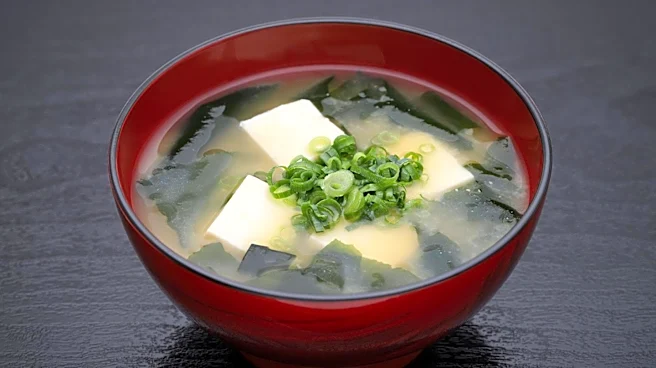









Miso, a traditional Japanese seasoning, is a thick paste created by fermenting soybeans with salt and koji, a fungus known as Aspergillus oryzae. Sometimes, other ingredients like rice, barley, or seaweed are also included in the fermentation process. This versatile paste is fundamental to Japanese cooking, used in everything from sauces and spreads to pickling vegetables, fish, or meats. Most famously, it is mixed with dashi soup stock to create miso
soup, a dish so integral to Japanese cuisine that it is considered a staple. Beyond its culinary applications, miso has historically played a significant nutritional role, particularly in feudal Japan, due to its high protein and rich mineral content. Today, miso continues to be widely used in both traditional and modern Japanese cooking and has garnered global interest.
The Nutritional Backbone of Feudal Japan
In feudal Japan, miso was more than just a flavoring agent; it was a crucial source of nutrition. Its high protein and mineral content made it an invaluable food item, contributing significantly to the diet of the population. This nutritional density meant that miso provided essential sustenance, especially during times when other food sources might have been scarce or less varied. The importance of miso during this period underscores its foundational role in the Japanese diet, highlighting its practical value beyond its taste.The historical significance of miso is also reflected in its widespread production and consumption across different regions. The ability to ferment soybeans and other grains into a stable, nutrient-rich paste would have been vital for food preservation and dietary consistency. This made miso a reliable food source that could be stored and utilized over time, further cementing its status as a dietary cornerstone in historical Japan.
Regional Variations and Culinary Diversity
Miso's taste, aroma, texture, and appearance are remarkably diverse, varying significantly by region and even by season. Factors such as temperature, fermentation duration, salt content, the specific variety of koji used, and the fermenting vessel all contribute to the unique characteristics of each miso. This regional diversity has led to a rich tapestry of miso types, each with its own distinct profile.For instance, in the eastern Kanto region, which includes Tokyo, a darker, brownish akamiso (red miso) is particularly popular. In contrast, the western Kansai region, encompassing cities like Osaka, Kyoto, and Kobe, tends to prefer the lighter shiromiso (white miso). These preferences highlight how local traditions and available ingredients have shaped the development of different miso varieties, making miso a culinary reflection of Japan's diverse geography and culture.
The Art of Fermentation: Crafting Miso's Unique Flavors
The unique properties and complex flavor profile of miso are directly attributable to its intricate fermentation process. Miso typically involves a starter culture called koji, soybeans, and often a grain like rice, barley, or rye. The creation of miso is a two-step process: first, the koji is produced, and then this koji is combined with the other ingredients to undergo enzymatic digestion, fermentation, and aging.Koji itself is made by introducing the mold Aspergillus oryzae onto steamed white rice. This mold culture, derived from dried A. oryzae spores known as tane-koji or "starter koji," is crucial for the fermentation. A. oryzae is an aerobic fungus that acts as the primary fermenting agent in koji, producing amylolytic and proteolytic enzymes. Amylolytic enzymes break down starches in grains into sugars and dextrins, while proteolytic enzymes catalyze the breakdown of proteins into smaller peptides or amino acids. These enzymatic actions are essential for the digestion of rice and soybeans, contributing to miso's distinctive umami taste and complex aroma. The careful regulation of temperature, humidity, and oxygen during koji production is vital to optimize mold growth and enzyme production, ensuring the quality of the final miso product.
Miso in Modern and Traditional Japanese Kitchens
Today, miso remains a cornerstone of Japanese cooking, seamlessly integrated into both traditional and modern culinary practices. Its versatility allows it to be used in a myriad of dishes beyond the ubiquitous miso soup. From marinades and glazes to dressings and stir-fries, miso adds depth and umami to a wide range of foods. Its enduring popularity in Japan, coupled with its growing international recognition, speaks to its adaptability and rich flavor.The continued widespread use of miso also reflects a cultural appreciation for fermented foods and their unique contributions to flavor and nutrition. As global interest in Japanese cuisine grows, miso has found its way into kitchens worldwide, appreciated for its distinctive taste and potential health benefits. This global embrace ensures that miso, a product with deep historical roots, continues to evolve and find new applications in the contemporary culinary landscape.